Less timing in sexual activity, often referring to a shorter duration of sexual encounters or quicker climax, can stem from various factors. Physically, heightened sensitivity in certain areas, health conditions like erectile dysfunction or premature ejaculation, medications, and age-related changes can all play a role. Psychologically, stress, anxiety, and relationship issues can interfere with sexual arousal and timing. Lifestyle factors such as fatigue, substance use, and unhealthy habits can also impact sexual performance. Behaviorally, difficulties in arousal control, lack of sexual experience, or performance anxiety may contribute to timing issues. Addressing these concerns often requires open communication, lifestyle adjustments, stress management techniques, and potential professional intervention to find effective solutions for both partners.

We are Here to Help
Sunday, June 2, 2024

Things to check before buying a used iphone

Physical condition: Inspect the iPhone for any signs of physical damage, such as scratches, dents, cracks, or water damage. Pay close attention to the screen, back panel, and edges of the device.
IMEI/Serial number: Verify the IMEI (International Mobile Equipment Identity) or serial number of the iPhone to ensure that it's not reported as lost or stolen. You can do this by going to Settings > General > About on the iPhone or by contacting the carrier.
Activation lock: Check for activation lock, which prevents unauthorized users from activating the iPhone. You can do this by asking the seller to disable Find My iPhone or by checking it yourself through Settings > [Your Name] > Find My > Find My iPhone.
Battery health: Assess the battery health of the iPhone to determine its overall condition and lifespan. You can check the battery health by going to Settings > Battery > Battery Health. Ideally, the battery health should be above 80%.
Functionality: Test all the essential functions of the iPhone, including making calls, sending texts, connecting to Wi-Fi and Bluetooth, using the camera, and accessing various apps. Ensure that the touchscreen, buttons, and speakers are working correctly.
Check for iCloud or Apple ID lock: Make sure the iPhone is not locked to someone else's iCloud account or Apple ID. Ask the seller to sign out of their account or verify it yourself by going to Settings > [Your Name] > Sign Out.
Check for network compatibility: Ensure that the iPhone is compatible with your carrier's network by checking its model number and frequency bands. You can find this information on the Apple website or by contacting your carrier.
Check for warranty coverage: Verify if the iPhone is still under warranty or if it's eligible for AppleCare+ coverage. You can check the warranty status using the serial number on the Apple website.
Test for water damage: Check for signs of water damage by inspecting the water damage indicators located in the SIM card tray and the charging port. If the indicators are activated, it could indicate water damage.
Price comparison: Research the market value of the specific iPhone model and compare prices from different sellers to ensure that you're getting a fair deal.
Thing only girls understand

Menstruation: Girls experience menstruation, which involves various physical and emotional changes each month. Managing menstrual cycles, dealing with menstrual cramps, and understanding related health issues are experiences that many girls can relate to.
Gender expectations: Girls may navigate societal expectations related to gender roles and stereotypes, such as pressure to conform to certain behaviors or appearance standards.
Body image and self-esteem: Girls may face unique challenges related to body image and self-esteem, including pressure to meet unrealistic beauty standards perpetuated by media and society.
Sexual harassment and gender-based violence: Girls may have experiences with sexual harassment, catcalling, or other forms of gender-based violence, which can have a significant impact on their sense of safety and well-being.
Navigating female friendships: Girls may understand the complexities of female friendships, including issues such as jealousy, competition, and the importance of support and camaraderie.
Reproductive health and contraception: Girls may have experiences related to reproductive health, such as navigating birth control options, pregnancy prevention, and sexual health education.
Parenting and caregiving responsibilities: Girls may understand the responsibilities and challenges associated with parenting and caregiving roles, including balancing work, family, and personal life.
Microaggressions and sexism: Girls may encounter microaggressions and instances of sexism in various aspects of their lives, including school, work, and social settings.
Things to do when you bored

Read a book: Get lost in the pages of a good book. Whether it's fiction, non-fiction, or a graphic novel, reading can transport you to different worlds and expand your knowledge.
Watch a movie or TV show: Pick something from your watchlist or explore new genres. Whether it's a classic film, a binge-worthy series, or a documentary, there's always something to watch.
Try a new hobby: Use your free time to explore a new hobby or activity. Whether it's painting, knitting, gardening, cooking, or playing a musical instrument, trying something new can be both fun and rewarding.
Exercise: Get moving and take care of your physical health. You could go for a run, do a workout at home, practice yoga, or take a dance class. Exercise not only improves your physical well-being but can also boost your mood.
Explore your creativity: Get out your art supplies and unleash your creativity. Whether you're drawing, painting, writing, or crafting, expressing yourself creatively can be a great way to pass the time and relieve stress.
Listen to music or podcasts: Put on your favorite tunes or discover new music. You could also listen to podcasts on topics that interest you, whether it's comedy, true crime, history, or science.
Cook or bake something new: Experiment in the kitchen and try out a new recipe. Whether it's a savory dish, a sweet treat, or a refreshing drink, cooking or baking can be a fun and delicious way to spend your time.
Puzzle or game time: Challenge your brain with puzzles, brain teasers, or board games. Whether you're into crossword puzzles, Sudoku, jigsaw puzzles, or strategy games, there's something for everyone.
Organize and declutter: Use your boredom as an opportunity to tackle that cluttered closet, organize your bookshelf, or clean out your inbox. Getting organized can help clear your mind and create a sense of accomplishment.
Connect with others: Reach out to friends or family members and catch up with them. Whether it's through a phone call, video chat, or a handwritten letter, connecting with others can help alleviate boredom and foster meaningful relationships
Fashion for Men
Men's Fashion:

Men's fashion encompasses a diverse range of styles, trends, and influences, from classic tailoring to streetwear and everything in between. Here are some key aspects to explore when writing about men's fashion:
Classic Tailoring: Traditional menswear staples such as suits, blazers, dress shirts, and trousers form the foundation of classic tailoring. Explore different suit cuts, fabrics, and styling options for formal and semi-formal occasions.
Casual Wear: From denim jeans and T-shirts to casual button-down shirts and chinos, casual wear offers endless possibilities for creating stylish yet comfortable outfits. Discuss trends in casual menswear, including relaxed fits, vintage-inspired pieces, and athleisure influences.
Streetwear: Streetwear is a thriving segment of men's fashion, characterized by urban-inspired styles, graphic T-shirts, hoodies, sneakers, and statement accessories. Explore the latest streetwear trends, collaborations between streetwear brands and designers, and the influence of hip-hop and skate culture.
Smart-Casual Dressing: Smart-casual attire strikes a balance between formal and casual wear, offering versatility for various occasions. Explore how to mix tailored pieces with casual elements to achieve a polished yet relaxed look.
Accessories: Accessories play a crucial role in men's fashion, adding personality and flair to outfits. Discuss accessories such as watches, belts, ties, sunglasses, hats, and bags, and offer styling tips for incorporating them into different looks.
Footwear: From classic dress shoes like oxfords and brogues to casual sneakers, boots, and loafers, footwear is an essential aspect of men's fashion. Explore trends in men's shoes, including materials, colors, and styles suitable for different occasions and seasons.
Grooming and Personal Care: Grooming and personal care are integral to men's fashion, encompassing skincare, haircare, grooming routines, and fragrance. Discuss grooming tips, product recommendations, and the importance of self-care in maintaining a stylish appearance.
Seasonal Trends: Like women's fashion, men's fashion experiences seasonal trends influenced by runway shows, designer collections, and cultural influences. Explore seasonal trends in menswear, including color palettes, fabrics, and key pieces for each season.
Body Positivity and Inclusivity: Men's fashion is becoming more inclusive, with a growing emphasis on body positivity and diversity. Discuss the importance of representation in men's fashion, inclusive sizing options, and brands championing inclusivity.
Celebrity Style: Analyze the style choices of influential male celebrities, including actors, musicians, athletes, and fashion icons. Highlight their signature looks, red carpet appearances, and off-duty style for inspiration.
Things to do in summer vacations

Travel: Whether it's a road trip, a beach getaway, or exploring a new city, travel is a fantastic way to make the most of your summer vacation. Visit new places, experience different cultures, and create lasting memories.
Outdoor activities: Take advantage of the warm weather by spending time outdoors. You can go hiking, biking, camping, swimming, kayaking, or even just have a picnic in the park.
Learn something new: Use your free time to pick up a new hobby or skill. You could learn to play a musical instrument, try your hand at painting or photography, take a cooking class, or learn a new language.
Volunteer: Summer is a great time to give back to your community. Look for volunteer opportunities at local organizations, shelters, or community events. It's a rewarding way to spend your time and make a positive impact.
Read: Catch up on your reading list or explore new genres. Whether it's fiction, non-fiction, or even audiobooks, reading is a relaxing and enriching way to spend your summer days.
Attend summer camps or workshops: Many organizations offer summer camps or workshops focused on various interests such as sports, arts and crafts, science, technology, and more. It's a great way to meet new people and learn new skills.
Relax and recharge: Don't forget to take some time for yourself to relax and recharge. Whether it's lounging by the pool, enjoying a spa day, or simply taking a nap in a hammock, make sure to prioritize self-care during your summer vacation.
Explore local attractions: Take advantage of what your own town or city has to offer. Visit museums, art galleries, botanical gardens, historical sites, or attend local events and festivals.
Family time: Spend quality time with family and friends. Plan outdoor BBQs, movie nights, game nights, or simply enjoy each other's company with a leisurely stroll or a day at the beach.
Plan for the future: Use your summer break to plan for the future. This could involve researching colleges or universities, exploring career options, or setting personal and academic goals for the upcoming school year.
Things you should not google

Illegal activities: Searching for information on how to engage in illegal activities can put you at risk of legal trouble.
Explicit content: Explicit content is not suitable for all audiences, and stumbling upon it accidentally can be distressing or inappropriate.
Sensitive medical information: Googling symptoms or medical conditions without proper context or guidance from a healthcare professional can lead to unnecessary anxiety or misinformation.
Personal information: Avoid searching for personal information about yourself or others that could compromise privacy or security.
Malicious websites or software: Searching for certain terms or clicking on suspicious links can lead to exposure to malware or phishing attempts.
Extreme or graphic content: This includes violent or disturbing images or videos that could be traumatizing.
Things to do after breakup
Experiencing a breakup can be a challenging and emotionally painful process. Here are some key aspects to consider when navigating a breakup:

Allow Yourself to Grieve: It's normal to experience a range of emotions after a breakup, including sadness, anger, confusion, and even relief. Allow yourself to feel these emotions without judgment and give yourself permission to grieve the loss of the relationship.
Seek Support: Reach out to friends, family members, or a therapist for emotional support during this difficult time. Talking to someone you trust can provide comfort, perspective, and validation of your feelings.
Take Care of Yourself: Focus on self-care and prioritize your physical, emotional, and mental well-being. Engage in activities that bring you joy, such as exercise, hobbies, spending time with loved ones, or practicing mindfulness and relaxation techniques.
Reflect on the Relationship: Take time to reflect on the relationship and what you've learned from the experience. Consider the reasons for the breakup, patterns or dynamics that contributed to the relationship's end, and what you want for your future relationships.
Set Boundaries: Establish clear boundaries with your ex-partner to protect your emotional health and facilitate the healing process. This may involve limiting contact, unfollowing or unfriending them on social media, and avoiding places or activities that remind you of them.
Focus on Personal Growth: Use the breakup as an opportunity for personal growth and self-discovery. Invest in activities that promote self-improvement, pursue goals and interests, and explore new experiences that help you grow and evolve as an individual.
Practice Forgiveness: Forgiveness is a powerful tool for healing and moving forward after a breakup. This includes forgiving your ex-partner for any hurt or wrongdoing and forgiving yourself for any mistakes or regrets you may have.
Stay Positive: While it's natural to feel sad or discouraged after a breakup, try to maintain a positive outlook and focus on the possibilities for the future. Remind yourself that endings often lead to new beginnings and opportunities for growth and happiness.
Give Yourself Time: Healing from a breakup takes time, so be patient with yourself and trust that you will gradually feel better with time. Avoid rushing the healing process or seeking a new relationship as a way to avoid the pain of the breakup.
Seek Professional Help if Needed: If you're struggling to cope with the aftermath of a breakup or experiencing prolonged feelings of depression, anxiety, or hopelessness, consider seeking support from a mental health professional who can provide guidance and support tailored to your needs.
Fashion 2024
Celebrity Fashion :

:Celebrity fashion is a dynamic and influential aspect of the fashion industry, with celebrities often setting trends and making style statements on red carpets, at events, and in their everyday lives. Here's how to explore and write about celebrity fashion
Red Carpet Events: Keep an eye on major red carpet events such as the Oscars, Met Gala, Cannes Film Festival, and Grammy Awards. These events showcase celebrity fashion at its most glamorous, with stars donning designer gowns, suits, and accessories.
Street Style: Monitor celebrity street style by following paparazzi photos, social media accounts, and fashion blogs. Street style captures celebrities' off-duty looks, offering inspiration for casual and everyday wear.
Fashion Collaborations: Many celebrities collaborate with fashion brands to create clothing lines, capsule collections, or signature pieces. Keep track of celebrity fashion collaborations and review the designs, aesthetics, and popularity of these collections.
Social Media Influence: Celebrities often share their fashion choices on social media platforms like Instagram, Twitter, and TikTok. Analyze their posts, outfit details, and style evolution, and discuss the impact of celebrity influencers on fashion trends.
Fashion Icons and Trends: Identify celebrity fashion icons who consistently showcase distinctive style and influence trends. Discuss their signature looks, fashion choices, and impact on popular culture.
Designer Partnerships: Celebrities frequently collaborate with fashion designers to create custom looks for special events. Review these collaborations, highlighting the designer's creative vision and the celebrity's interpretation of the design.
Hair and Makeup Trends: Celebrity fashion encompasses more than just clothing—it also includes hairstyles, makeup looks, and beauty trends. Explore celebrity beauty routines, makeup tutorials, and hairstyling tips to complement their fashion choices.
Award Show Fashion: Award shows like the Oscars, Golden Globes, and Emmys provide ample opportunities to review celebrity fashion. Analyze the trends, standout looks, and fashion moments from these high-profile events.
Fashion Critique and Commentary: Offer insightful critiques and commentary on celebrity fashion, discussing the strengths and weaknesses of their style choices, fashion risks, and overall impact on the industry.
Cultural and Social Relevance: Consider the cultural and social significance of celebrity fashion, including representation, diversity, and inclusivity. Discuss how celebrities use fashion as a platform for advocacy, expression, and empowerment.
Sports Importance

Fashion Influencers
Influencers:

Fashion influencers play a significant role in shaping trends, providing style inspiration, and influencing consumer behavior within the fashion industry. Here's how to explore and write about fashion influencers:
Identify Key Influencers: Research and identify prominent fashion influencers across various platforms, including Instagram, YouTube, TikTok, blogs, and other social media channels. Look for influencers with a substantial following, engaging content, and a distinct sense of style.
Analyzing Style Aesthetics: Explore the unique style aesthetics of fashion influencers, from minimalist and classic looks to bold and eclectic ensembles. Discuss their fashion choices, signature pieces, and styling techniques that set them apart.
Content Creation: Examine the content creation strategies of fashion influencers, including outfit posts, lookbooks, styling tips, fashion hauls, and brand collaborations. Discuss their visual storytelling, photography skills, and video editing techniques that contribute to their engaging content.
Brand Collaborations: Explore the partnerships and collaborations between fashion influencers and brands. Discuss sponsored content, affiliate marketing, ambassadorships, and product endorsements, and analyze the effectiveness of these collaborations in reaching target audiences and driving sales.
Social Media Presence: Analyze the social media presence of fashion influencers, including follower engagement, content frequency, platform preferences, and growth strategies. Discuss how they leverage social media algorithms, hashtags, and trends to expand their reach and cultivate a loyal audience.
Fashion Events and Campaigns: Highlight fashion influencers' participation in industry events, runway shows, brand campaigns, and fashion weeks. Discuss their role as fashion insiders, trendsetters, and cultural influencers within the fashion ecosystem.
Authenticity and Transparency: Explore the importance of authenticity and transparency in influencer marketing, including disclosure practices, sponsored content guidelines, and audience trust. Discuss how fashion influencers maintain credibility while collaborating with brands and promoting products.
Diversity and Inclusivity: Recognize fashion influencers who champion diversity, inclusivity, and body positivity within the fashion industry. Discuss their efforts to promote representation, challenge beauty standards, and celebrate diverse identities through their content and messaging.
Impact on Fashion Trends: Analyze the influence of fashion influencers on shaping trends, from runway-inspired looks to street style trends and niche subcultures. Discuss how their style choices, outfit combinations, and fashion recommendations resonate with audiences and drive consumer demand.
Future of Influencer Marketing: Explore emerging trends and innovations in influencer marketing within the fashion industry. Discuss the evolving role of fashion influencers, the rise of micro-influencers, the impact of algorithm changes, and the growing importance of authenticity and niche communities.
What is robotics

What is Dating
Dating refers to the process of meeting and getting to know potential romantic partners with the intention of forming a romantic or intimate relationship. Here are some key aspects of dating:

Meeting Potential Partners: Dating often begins with meeting potential partners through various avenues, including social gatherings, mutual friends, online dating apps, or organized events such as speed dating or singles' mixers.
Getting to Know Each Other: During the early stages of dating, individuals spend time getting to know each other through conversations, shared activities, and spending time together. This phase allows people to assess compatibility, shared interests, values, and goals.
Romantic Intentions: Dating typically involves romantic intentions, with individuals seeking emotional connection, intimacy, and the possibility of forming a long-term relationship or partnership.
Building Attraction and Chemistry: Physical attraction and chemistry often play a role in dating, with individuals drawn to each other based on physical appearance, personality traits, and shared interests.
Communication: Effective communication is essential in dating, allowing individuals to express their thoughts, feelings, and expectations openly and honestly. Clear communication helps establish mutual understanding, boundaries, and consent within the relationship.
Dating Etiquette: Dating often involves adhering to certain social norms and etiquette, such as being punctual, showing respect, and demonstrating courtesy towards one another. It also includes navigating gender roles, cultural differences, and dating preferences.
Navigating Uncertainty: Dating can be accompanied by uncertainty and ambiguity, especially in the early stages of a relationship. Individuals may grapple with questions about exclusivity, commitment, and the future of the relationship.
Managing Expectations: Managing expectations is important in dating to avoid disappointment and frustration. It involves being realistic about the pace of the relationship, understanding that not every connection will lead to a long-term commitment, and maintaining a positive outlook.
Navigating Challenges: Dating may involve navigating challenges such as communication issues, conflicts, differences in values or lifestyles, and external pressures from family or society. Effective problem-solving and conflict resolution skills can help address these challenges and strengthen the relationship.
Enjoying the Journey: Despite its ups and downs, dating can be an enjoyable and enriching experience filled with excitement, adventure, and the potential for personal growth and self-discovery. It provides opportunities to meet new people, explore different perspectives, and create meaningful connections.
What is Finance and Money Management

Finance and money management encompass the principles, strategies, and practices individuals, businesses, and organizations use to effectively manage their financial resources. Here's a breakdown of what finance and money management entail:
Budgeting: Budgeting involves creating a plan for how to allocate income towards expenses, savings, and investments. It helps individuals and businesses prioritize spending, track financial goals, and ensure financial stability.
Saving and Investing: Saving involves setting aside money for future needs or emergencies, while investing involves putting money into assets such as stocks, bonds, real estate, or mutual funds with the expectation of generating returns over time.
Debt Management: Debt management involves effectively managing and repaying debts such as loans, credit card balances, and mortgages. Strategies for debt management may include budgeting, debt consolidation, refinancing, and negotiating repayment terms.
Financial Planning: Financial planning involves setting short-term and long-term financial goals and developing strategies to achieve them. This may include retirement planning, education planning, estate planning, and risk management.
Tax Planning: Tax planning involves minimizing tax liabilities by taking advantage of tax deductions, credits, and other tax-saving strategies. It requires understanding tax laws and regulations and optimizing financial decisions to minimize tax burdens.
Risk Management: Risk management involves identifying, assessing, and mitigating financial risks such as market risk, credit risk, inflation risk, and liquidity risk. It may involve diversifying investments, purchasing insurance, and implementing hedging strategies.
Financial Analysis: Financial analysis involves evaluating the financial performance and health of individuals, businesses, or investments. It includes analyzing financial statements, ratios, and metrics to assess profitability, liquidity, solvency, and overall financial viability.
Personal Finance: Personal finance focuses on managing individual or household finances and making financial decisions related to income, expenses, savings, investments, and debt. It encompasses budgeting, saving for goals, retirement planning, and managing insurance and taxes.
Corporate Finance: Corporate finance involves managing the financial activities of businesses, including capital budgeting, financial forecasting, capital structure decisions, and corporate investment strategies. It aims to maximize shareholder value and ensure financial sustainability.
Financial Literacy: Financial literacy refers to the knowledge and skills individuals need to make informed financial decisions. It includes understanding basic financial concepts, such as budgeting, saving, investing, and managing debt, as well as navigating financial products and services.
Latest Fashion 2024
Runway Reviews:

Runway reviews offer insights into the latest collections showcased by designers during fashion weeks and runway shows. Here's how to approach writing a runway review:
Research the Collection: Before writing the review, thoroughly research the designer's background, aesthetic, and inspiration behind the collection. Understanding the context will provide valuable insights into the runway presentation.
Attend or Watch the Show: If possible, attend the runway show in person or watch the live stream online to get a firsthand experience of the collection. Pay attention to details such as the venue, music, lighting, and overall atmosphere.
Evaluate the Theme and Inspiration: Analyze the theme or concept of the collection and how it was translated into the designs. Consider any overarching motifs, cultural references, or artistic influences that informed the designer's creative vision.
Assess the Silhouettes and Fabrics: Evaluate the silhouettes, shapes, and proportions of the garments presented on the runway. Take note of any innovative cuts, draping techniques, or fabric manipulations used by the designer.
Review the Color Palette and Textures: Analyze the color palette and textures employed within the collection. Consider how the colors complement each other and how the choice of fabrics enhances the overall aesthetic and mood.
Critique the Styling and Accessories: Assess the styling choices, including hair, makeup, and accessories, and how they contribute to the overall narrative of the collection. Evaluate the coherence and relevance of the accessories in enhancing the runway looks.
Highlight Standout Pieces: Identify standout pieces or looks that particularly impressed you or exemplified the essence of the collection. Discuss what makes these pieces memorable and noteworthy within the context of the overall presentation.
Consider Wearability and Marketability: Evaluate the commercial appeal and marketability of the collection. Assess whether the designs are practical, wearable, and relevant to the target audience, or if they cater more to avant-garde or editorial tastes.
Discuss Overall Impressions and Impact: Summarize your overall impressions of the collection and its impact within the fashion industry. Reflect on the designer's ability to innovate, provoke, or inspire with their runway presentation.
Provide Constructive Criticism: Offer constructive criticism where appropriate, highlighting areas for improvement or missed opportunities while maintaining a respectful and objective tone.
Fitness

Fashion Sense
Street Style :

Street style encompasses a diverse range of fashion trends and individual expressions seen in everyday settings, often influenced by urban culture, music, art, and personal creativity. Here are some key elements and trends often associated with street style:
Mixing High and Low Fashion: Street style often involves blending high-end designer pieces with more affordable, accessible fashion finds to create unique looks.
Eclectic Layering: Layering different textures, lengths, and styles to create visually interesting outfits. This can include mixing patterns, combining unexpected pieces, and playing with proportions.
Statement Accessories: Bold accessories play a significant role in street style, whether it's oversized sunglasses, statement jewelry, hats, or scarves. These accessories can add personality and flair to an outfit.
Athleisure Influence: The fusion of athletic and casual wear has become a prominent aspect of street style. This includes wearing sportswear-inspired pieces like hoodies, sneakers, joggers, and bomber jackets in everyday outfits.
Vintage and Retro Vibes: Incorporating vintage or retro clothing items into modern outfits is a common feature of street style. This might involve wearing vintage band tees, thrifted denim, or retro sneakers for a nostalgic touch.
Urban Utility: Functional clothing items like cargo pants, utility vests, and oversized jackets are often embraced in street style. These pieces not only offer practicality but also contribute to the edgy, urban aesthetic.
Gender-Fluid Fashion: Street style often blurs traditional gender norms, with individuals freely mixing and matching clothing items regardless of gender expectations. This can include wearing traditionally masculine or feminine pieces in unexpected ways.
DIY and Customization: DIY fashion projects and customized clothing items are prevalent in street style. This could involve distressed denim, hand-painted jackets, personalized patches, or custom accessories.
Global Influences: Street style is heavily influenced by international fashion trends and cultural diversity. Styles from cities like Tokyo, Paris, London, and New York often inspire each other, resulting in a rich tapestry of global fashion influences.
Individuality and Self-Expression: Perhaps the most defining characteristic of street style is its emphasis on individuality and self-expression. Street style allows people to showcase their unique personalities and creativity through their clothing choices, breaking away from conventional fashion norms.
Relationship tips
Relationships refer to the connections and bonds that individuals form with others, including family members, friends, romantic partners, colleagues, and acquaintances. Here are some key aspects of relationships:

Types of Relationships: Relationships can take various forms, including familial relationships (parents, siblings, children), friendships, romantic relationships (dating, marriage, partnerships), professional relationships (colleagues, mentors, clients), and social relationships (acquaintances, neighbors, community members).
Communication: Effective communication is essential for building and maintaining healthy relationships. It involves listening, expressing thoughts and feelings openly and honestly, and seeking to understand others' perspectives.
Trust and Respect: Trust and respect are fundamental to all relationships. Trust involves reliability, honesty, and integrity, while respect involves valuing others' opinions, boundaries, and autonomy.
Empathy and Compassion: Empathy is the ability to understand and share the feelings of others, while compassion involves showing kindness and support towards others, especially during difficult times.
Boundaries: Setting and respecting boundaries is crucial for healthy relationships. Boundaries define acceptable behaviors, limits, and expectations within relationships and help maintain individual autonomy and self-respect.
Conflict Resolution: Conflict is inevitable in any relationship, but how conflicts are managed can determine the health and longevity of the relationship. Effective conflict resolution involves active listening, empathy, compromise, and finding mutually acceptable solutions.
Quality Time: Spending quality time together strengthens relationships and fosters emotional connection. This may involve shared activities, meaningful conversations, and creating shared memories.
Support and Encouragement: Supporting and encouraging each other is vital for nurturing relationships. This includes providing emotional support, offering assistance when needed, and celebrating each other's successes.
Adaptability and Flexibility: Relationships require adaptability and flexibility to navigate life's changes and challenges. Being willing to compromise, adjust expectations, and grow together fosters resilience and strengthens bonds.
Appreciation and Gratitude: Expressing appreciation and gratitude towards others reinforces positive feelings and strengthens relationships. Recognizing and acknowledging each other's contributions and qualities fosters mutual respect and appreciation.
Shared Values and Goals: Shared values, interests, and goals provide a foundation for strong and lasting relationships. Aligning on important beliefs, priorities, and aspirations creates a sense of unity and purpose within relationships.
Healthy Independence: While relationships involve connection and interdependence, maintaining a sense of individuality and autonomy is essential. Balancing independence with connection allows individuals to maintain their identity and pursue personal growth within relationships.
What is Traveling

Traveling refers to the act of moving from one place to another, typically for leisure, business, exploration, or personal reasons. It involves journeying to different destinations, whether locally, domestically, or internationally, and experiencing new cultures, landscapes, and experiences along the way. Traveling can take many forms, including solo trips, family vacations, group tours, business trips, backpacking adventures, and luxury getaways. It offers opportunities for relaxation, adventure, learning, self-discovery, and cultural exchange, allowing individuals to broaden their horizons, create lasting memories, and gain a deeper understanding of the world around them. Whether it's exploring iconic landmarks, immersing oneself in local cuisine, meeting new people, or simply taking in breathtaking scenery, traveling offers a wealth of enriching experiences that can inspire, rejuvenate, and transform those who embark on journeys near and far.
Fashion For You
Seasonal Trends:

Spring:
- Pastel Colors: Soft hues like lavender, mint green, and blush pink dominating spring palettes.
- Floral Prints: Classic floral patterns blooming on dresses, blouses, and skirts.
- Lightweight Layers: Transitional pieces like trench coats, cardigans, and lightweight jackets for unpredictable weather.
- Bermuda Shorts: Longer shorts with a tailored silhouette for a chic yet relaxed look.
- Espadrilles: Comfortable and stylish footwear option perfect for spring outings.
Summer:
- Bright Colors: Bold and vibrant hues like electric blue, coral, and sunshine yellow for a playful summer vibe.
- Tropical Prints: Exotic prints featuring palm leaves, tropical flowers, and exotic fruits.
- Flowy Dresses: Breezy maxi dresses and sundresses in lightweight fabrics for effortless summer style.
- Straw Accessories: Straw hats, bags, and sandals adding a touch of beachy flair to summer outfits.
- White Sneakers: Versatile footwear option suitable for casual summer days and outdoor activities.
Fall:
- Earthy Tones: Warm and rich colors such as rust, olive green, and mustard yellow reflecting the autumn landscape.
- Plaid Patterns: Classic plaid prints on coats, scarves, and skirts for a timeless fall look.
- Cozy Knits: Chunky sweaters, cardigans, and knit dresses for added warmth and texture.
- Ankle Boots: Staple footwear choice for fall, available in various styles from Chelsea boots to lace-up booties.
- Layering: Mixing and matching different textures and lengths to create stylish layered outfits.
Winter:
- Dark Neutrals: Classic winter colors like black, charcoal gray, and navy blue for a sleek and sophisticated look.
- Faux Fur: Luxurious faux fur coats, vests, and accessories for added warmth and glamour.
- Statement Outerwear: Bold coats with unique details like oversized collars, belted waists, and faux leather accents.
- Knit Beanies: Cozy headwear option to keep warm while adding a pop of color or texture to winter ensembles.
- Over-the-Knee Boots: Fashion-forward footwear choice for winter, perfect for pairing with skirts, dresses, or skinny jeans.
Saturday, June 1, 2024
What is dropshipping
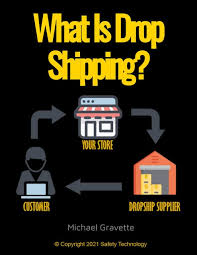
Dropshipping is a retail fulfillment method where a store doesn't keep the products it sells in stock. Instead, when a store sells a product, it purchases the item from a third party and has it shipped directly to the customer. As a result, the merchant never sees or handles the product.
Customer Places an Order: A customer places an order for a product through the dropshipping store's website or platform.
Order is Forwarded to the Supplier: The store forwards the order and customer details to the supplier or manufacturer, usually via an automated system or manually.
Supplier Ships the Product: The supplier then ships the product directly to the customer, usually without any branding or indication that it came from a third party.
Store Profits from the Markup: The store profits from the difference between the price it charges the customer and the price it pays the supplier. This difference covers the store's expenses, including marketing, website maintenance, and customer service.
Dropshipping offers several advantages, including:
Low Startup Costs: Since you don't need to invest in inventory upfront, the startup costs for a dropshipping business are relatively low compared to traditional retail.
Flexibility: Dropshipping allows you to sell a wide range of products without having to manage inventory or fulfillment logistics.
Scalability: With dropshipping, you can easily scale your business by adding new products or expanding into new markets without the constraints of inventory management.
However, dropshipping also has some challenges, such as:
Lower Profit Margins: Since you're not buying products in bulk, your profit margins may be lower compared to traditional retail.
Supplier Dependence: Your business is dependent on your suppliers for product quality, inventory availability, and shipping times. Choosing reliable suppliers is crucial for success.
Competition: Dropshipping is a popular business model, so competition can be fierce, especially in saturated markets. Finding a niche or unique selling proposition is essential for standing out.

Why apps are not downloading from playstore

Reasons:
Check Internet Connection: Ensure that your device has a stable internet connection. Try switching between Wi-Fi and mobile data to see if the issue persists.
Restart Device: Sometimes, a simple restart can resolve temporary glitches. Try restarting your device and then attempt to download the app again.
Clear Play Store Cache: Clearing the cache of the Google Play Store app can sometimes fix download issues. Go to Settings > Apps > Google Play Store > Storage, then tap "Clear Cache."
Check Storage Space: Make sure your device has enough storage space available to download and install apps. If your device is low on storage, try deleting unnecessary files or apps to free up space.
Check Download Manager: Ensure that the Download Manager on your device is enabled. Go to Settings > Apps > Download Manager and make sure it's not disabled.
Update Play Store: Make sure the Google Play Store app is up to date. Open the Play Store, go to the menu (usually represented by three horizontal lines), select "Settings," and then tap on "About" or "Play Store version" to check for updates.
Check Date and Time Settings: Incorrect date and time settings on your device can sometimes cause issues with the Play Store. Make sure your device's date and time settings are set correctly.
Try a Different Google Account: If you have multiple Google accounts on your device, try switching to a different account and see if you can download apps using that account.
Check for System Updates: Ensure that your device's operating system is up to date. Go to Settings > System > Advanced > System update and check for any available updates.
Why adds are coming on my phone

If you're experiencing ads on your phone unexpectedly, there could be a few reasons:
Installed Apps: Some free apps include ads as a way to monetize. If you recently installed a new app and started seeing ads afterward, that app might be the culprit. Check the permissions granted to each app on your phone and look for any suspicious behavior.
Adware or Malware: Sometimes, malicious software (adware or malware) can sneak onto your phone, causing unwanted ads to appear. Running a thorough antivirus scan on your device can help identify and remove any such threats.
Push Notifications: Some apps send push notifications that can include advertisements. Check your notification settings for each app and disable notifications from any apps that seem to be sending ads.
Browsing History: Ad networks track your browsing history to display targeted ads. Clearing your browser cache and cookies regularly can help reduce the number of targeted ads you see.
Settings: Occasionally, certain settings on your phone might be configured to allow ads. Check your phone's settings, particularly those related to privacy, advertising, and app permissions, to ensure everything is set to your preference.
What is love
