Pages

Tag for Google

Showing posts with label best architecture. Show all posts

Sunday, November 3, 2024

Nahanni

  Nahanni National Park Reserve, located in the Northwest Territories of Canada, is a breathtaking expanse of rugged wilderness that captivates adventurers and nature lovers alike. Renowned for its stunning landscapes, rich biodiversity, and deep cultural significance, Nahanni is a UNESCO World Heritage Site that offers an unparalleled experience for those seeking the beauty of the Canadian wilderness.
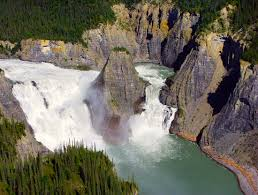


Established in 1976, Nahanni National Park was one of the first national parks in Canada. It is named after the Nahanni River, which flows through the park and has been a site of Indigenous significance for thousands of years. The Dene people have lived in the area for generations, and their cultural heritage is an integral part of the park's identity. The park was designated a UNESCO World Heritage Site in 1978, recognized for its outstanding natural beauty and geological significance.

Nahanni National Park is remote and primarily accessible by air or river. Most visitors arrive via charter flights from Fort Simpson or by taking guided river tours that begin in nearby towns. The Nahanni River is the main access route, making canoeing and rafting popular ways to explore the park.

1. River Adventures

The Nahanni River is the centerpiece of the park, offering thrilling white-water rafting and canoeing opportunities. Adventurers can embark on multi-day river trips, navigating through stunning canyons, waterfalls, and hot springs. Popular routes include:

  • Virginia Falls: One of the most impressive waterfalls in North America, it drops 90 meters (300 feet) into the Nahanni River. The area around the falls is perfect for hiking and photography.
  • The South Nahanni River: A UNESCO-designated waterway that provides breathtaking views and exciting rapids, ideal for both experienced and novice paddlers.

2. Hiking and Exploration

Nahanni offers numerous hiking opportunities for those looking to explore its stunning landscapes on foot:

  • Liard Hot Springs: A short hike leads to these natural hot springs, providing a relaxing way to unwind after a day of adventure.
  • Rabbitkettle Hotsprings: A unique geothermal area featuring fascinating formations and a chance to explore the surrounding wilderness.

3. Wildlife Viewing

The park is home to diverse wildlife, making it a haven for nature enthusiasts:

  • Bighorn Sheep: Often seen on rocky slopes and cliffs.
  • Moose and Caribou: Frequently spotted in the park’s forests and meadows.
  • Birdwatching: The park is home to various bird species, including eagles, hawks, and songbirds.

4. Camping and Accommodations

While the park has limited infrastructure, visitors can find designated camping areas along the river and in more remote locations. For those seeking comfort, guided tours often include accommodations in tents or campsites along the river.

5. Cultural Experiences

Engage with the rich Indigenous history of the area through guided tours led by local Dene guides. Learn about traditional practices, stories, and the significance of the land to Indigenous peoples.

  • Plan Ahead: Given its remote location, planning your trip in advance is essential. Check river conditions, weather forecasts, and available tours.
  • Be Prepared: Pack essential gear, including camping equipment, food, water, and safety gear for river activities.
  • Respect Wildlife: Maintain a safe distance from animals and follow park guidelines to protect both wildlife and yourself.
  • Leave No Trace: Follow conservation principles to minimize your impact on this pristine wilderness.

Conclusion

Nahanni National Park is a true wilderness wonder that offers a unique blend of adventure, beauty, and cultural significance. Whether you’re rafting down the Nahanni River, hiking to stunning viewpoints, or soaking in natural hot springs, this remote park promises an unforgettable experience.

Waterton Lakes National

 Waterton Lakes National Park, located in Alberta, Canada, is a breathtaking destination that beautifully showcases the rugged landscapes of the Canadian Rockies. Renowned for its stunning scenery, rich biodiversity, and a blend of cultural heritage, this park offers a unique experience for outdoor enthusiasts and nature lovers. Let’s dive into what makes Waterton Lakes a must-visit destination.


Established in 1895, Waterton Lakes is Canada’s fourth national park and was designated a UNESCO World Heritage Site in 1995. The park is part of the larger Waterton-Glacier International Peace Park, which spans the border into Montana, USA. This designation highlights the area’s ecological significance and commitment to conservation.

Waterton Lakes National Park is easily accessible by car, located approximately 270 kilometers (168 miles) south of Calgary and 120 kilometers (75 miles) north of the U.S. border. The main access point is through the town of Waterton, where visitors can find accommodations, restaurants, and visitor services.

1. Hiking and Trails

Waterton offers a variety of hiking trails catering to all skill levels:

  • Crypt Lake Trail: This challenging 17-kilometer (10.5 miles) hike is considered one of Canada’s best. It features stunning views, waterfalls, and a dramatic ascent, including a cable-assisted section.
  • Bertha Lake Trail: An easier 7-kilometer (4.3 miles) round trip, this trail leads to the picturesque Bertha Lake, perfect for families and beginners.
  • Blakiston Falls: A short 1-kilometer (0.6 miles) hike takes you to this beautiful waterfall, making it an ideal spot for a quick excursion.

2. Wildlife Watching

Waterton Lakes is home to a diverse array of wildlife. Keep your eyes peeled for:

  • Grizzly Bears: Often spotted in the summer months.
  • Elk and Mule Deer: Commonly seen grazing in the meadows.
  • Bighorn Sheep: Look for them on the rocky cliffs.
  • Birdwatching: Over 200 species of birds call the park home, making it a paradise for birdwatchers.

3. Scenic Drives and Views

The Red Rock Parkway is a must-see, offering stunning views of red rock formations, lakes, and mountains. Stop at various viewpoints for breathtaking photography opportunities.

4. Waterton Lake Boat Tours

Explore the park from the water with a guided boat tour on Waterton Lake. These tours provide unique perspectives of the surrounding cliffs and offer insight into the area's natural history.

5. Camping and Accommodations

Waterton Lakes offers several campgrounds, including the popular Crandell Mountain Campground and Waterton Townsite Campground. For those seeking more comfort, the town of Waterton provides a variety of lodges and hotels.

6. Cultural Experiences

Learn about the Indigenous history and cultural significance of the area through interpretive programs offered by the park. The Waterton Heritage Centre provides insights into the local ecosystem and historical context.

7. Fishing and Water Activities

Fishing is a popular activity in the park, with opportunities to catch trout in various lakes and streams. Additionally, kayaking and canoeing on Waterton Lake allow for a peaceful way to explore the area’s natural beauty.

  • Plan Ahead: Check trail conditions, weather forecasts, and park alerts before your visit.
  • Wildlife Safety: Always maintain a safe distance from wildlife and follow park regulations regarding bear safety.
  • Pack Accordingly: Bring plenty of water, snacks, and appropriate clothing for changing weather conditions.
  • Respect the Environment: Follow Leave No Trace principles to help preserve the park’s natural beauty.

Conclusion

Waterton Lakes National Park is a stunning blend of majestic mountains, pristine lakes, and vibrant wildlife, making it an unforgettable destination for anyone who loves the outdoors. Whether you’re hiking through breathtaking trails, enjoying a scenic boat ride, or simply soaking in the views, Waterton offers a unique experience that connects you with nature.

Saturday, November 2, 2024

Toronto Island Park, USA

Toronto Island Park is a beloved getaway located just a short ferry ride from downtown Toronto. This picturesque archipelago, consisting of 15 islands, offers a refreshing escape from the bustling city, featuring stunning views, lush greenery, and a variety of recreational activities. Here’s everything you need to know to make the most of your visit to this urban oasis.


Toronto Island Park encompasses over 230 hectares (approximately 570 acres) of parkland and is accessible via ferry or water taxi. The islands are known for their scenic walking and biking paths, sandy beaches, and vibrant gardens, making them a favorite destination for both locals and tourists. The park is also home to a small residential community and historical sites, adding to its unique charm.

Ferries to Toronto Island Park depart from the Jack Layton Ferry Terminal located at the foot of Bay Street. The ride takes about 15-20 minutes, offering beautiful views of the Toronto skyline along the way. It's advisable to check the ferry schedule ahead of time, especially during peak summer months when lines can get long.

1. Beaches and Swimming

Toronto Island Park boasts several beaches, with Hanlan’s Point Beach being a popular choice for sunbathers and swimmers. The beach features soft sand and stunning views of the city skyline. For a more tranquil experience, Centre Island Beach is a great option, providing a family-friendly atmosphere.

2. Biking and Walking Trails

With over 5 kilometers of paved paths, the islands are perfect for biking and walking. Rent a bike from one of the local shops or bring your own to explore the scenic routes. Trails wind through lush gardens, waterfronts, and shaded areas, offering a peaceful retreat from the city noise.

3. Picnicking and Green Spaces

The park features numerous picnic areas equipped with tables and BBQs, making it an ideal spot for a family outing or a romantic picnic. Centre Island is particularly popular for picnicking, with expansive green spaces and beautiful landscapes to enjoy.

4. Amusement Park Fun

Centreville Amusement Park is a charming family-friendly destination on Centre Island. It features a variety of rides and attractions for younger visitors, including a carousel, ferris wheel, and petting zoo. The park is open seasonally and is a great place to spend a day with kids.

5. Kayaking and Paddleboarding

For those looking for water activities, kayaking and paddleboarding are fantastic options. Rent equipment from local providers or bring your own to explore the calm waters around the islands. It’s a unique way to experience the area while enjoying the beautiful surroundings.

6. Gardens and Nature Walks

Toronto Island Park is home to several beautiful gardens, including the Toronto Island Butterfly Garden and the William Meany Maze, which provide peaceful retreats for nature lovers. The gardens are filled with native plants and flowers, attracting various bird species and butterflies.

7. Historical Sites

Explore the rich history of the islands by visiting the Toronto Island Lighthouse, built in 1808, and the Old Island Pavilion. These sites offer a glimpse into the island’s past and are great for photography enthusiasts.

  • Ferry Reservations: Consider reserving your ferry tickets in advance, especially during weekends and holidays.
  • Pack Essentials: Bring sunscreen, water, snacks, and a blanket for picnicking, as amenities on the islands can be limited.
  • Check the Weather: Dress in layers and check the forecast before heading out, as weather conditions can change rapidly.
  • Respect Nature: Follow park regulations and be mindful of wildlife. Leave no trace to help keep the islands pristine.

Conclusion

Toronto Island Park is a gem that offers a refreshing escape from the hustle and bustle of city life. With its beautiful beaches, scenic trails, and diverse recreational activities, it’s the perfect destination for a day of relaxation and adventure. Whether you’re enjoying a leisurely bike ride, soaking up the sun on the beach, or exploring the gardens, Toronto Island Park is sure to leave you with lasting memories.

Kluane National Park, USA

  Kluane National Park and Reserve, located in the southwestern corner of the Yukon, Canada, is a stunning expanse of wilderness that boasts breathtaking landscapes, diverse wildlife, and rich Indigenous culture. Spanning over 22,000 square kilometers, this UNESCO World Heritage Site is home to North America’s highest peak, Mount Logan, and offers countless adventures for nature enthusiasts and thrill-seekers alike.


Kluane National Park was established in 1976 to protect the stunning scenery and ecological diversity of the region. The area has deep cultural significance for the Kluane First Nation and other Indigenous peoples, who have lived in harmony with this land for thousands of years. The park’s name comes from the Southern Tutchone word "Kluane," meaning "small lake," reflecting the region’s abundant water bodies.

Kluane National Park is accessible via the Alaska Highway (Highway 1), approximately 160 kilometers (100 miles) from Whitehorse, the capital of Yukon. The park entrance is near Haines Junction, where visitors can find visitor centers with helpful information about the area.

Hiking and Trails

Kluane offers a variety of hiking trails, ranging from easy walks to challenging backcountry treks. Some highlights include:

  • The Donjek Route: A challenging multi-day hike that takes you through pristine wilderness and offers breathtaking views of glaciers and mountains.
  • Mayo Lake Trail: A more accessible trail that meanders through beautiful landscapes and offers opportunities for birdwatching.
  • King’s Throne Trail: A moderately difficult hike leading to a stunning viewpoint of Kathleen Lake and the surrounding peaks.

Wildlife Viewing

Kluane is teeming with wildlife. Keep an eye out for:

  • Grizzly Bears: Often spotted foraging for berries and fish in the summer.
  • Dall Sheep: These agile animals can be seen on the rocky cliffs.
  • Moose: Commonly found in the park's wetlands and forested areas.
  • Birds: A haven for birdwatchers, the park is home to species such as bald eagles, peregrine falcons, and many more.

Glacial Adventures

The park is renowned for its glaciers, including the Kaskawulsh Glacier. Adventurous visitors can explore these icy giants through guided glacier tours, ice climbing, or even helicopter tours that provide stunning aerial views of the expansive icefields.

Canoeing and Kayaking

The pristine lakes and rivers in Kluane National Park offer excellent opportunities for canoeing and kayaking. Kathleen Lake is a popular spot, providing calm waters and spectacular scenery. Paddling in this serene environment allows visitors to connect with nature while enjoying the stunning mountain backdrop.

Camping

For those looking to fully immerse themselves in the wilderness, camping is a great option. The park features several campgrounds, including the Kathleen Lake Campground, which offers basic amenities and easy access to hiking trails and water activities.

Cultural Experiences

Engage with the rich Indigenous culture of the region through interpretive programs and guided tours led by the Kluane First Nation. Learn about traditional practices, stories, and the significance of the land to the Indigenous peoples of the area.

Conservation and Preservation

Kluane National Park plays a crucial role in conserving the unique ecosystems of the Yukon. The park’s diverse habitats support various species, and ongoing conservation efforts help protect these vulnerable environments. Visitors are encouraged to follow Leave No Trace principles to minimize their impact and help preserve this pristine wilderness for future generations.

  • Plan Ahead: Check for trail conditions, weather forecasts, and park updates before your visit.
  • Be Prepared: Pack adequate clothing for variable weather, plenty of food, water, and emergency supplies.
  • Respect Wildlife: Maintain a safe distance from all animals and adhere to park regulations to ensure both your safety and the wildlife’s well-being.
  • Stay Informed: Visit the park's visitor center for maps, educational resources, and recommendations on activities.

Conclusion

Kluane National Park is a breathtaking destination that offers a remarkable blend of natural beauty, adventure, and cultural heritage. Whether you’re hiking through its rugged trails, kayaking on serene lakes, or simply taking in the awe-inspiring views, Kluane provides an unforgettable experience in the heart of the Yukon wilderness. 

Saturday, August 10, 2024

Copenhagen's Design Details

 Copenhagen is renowned for its design, blending classic and contemporary styles in a way that's both innovative and accessible. Here are some design details that stand out in the Danish capital:


  1. Simplicity and Functionality: Danish design is known for its minimalist approach. Copenhagen’s spaces and objects often feature clean lines and a focus on functionality, reflecting the principles of Danish Modern design.

  2. Use of Natural Materials: Wood, leather, and stone are commonly used materials. Danish designers emphasize the beauty and durability of natural materials, often leaving them in their raw or minimally processed states.

  3. Bright and Airy Spaces: The use of light is a key feature. Interiors often incorporate large windows, open spaces, and light color palettes to maximize natural light and create an airy, inviting atmosphere.

  4. Innovative Furniture: Iconic pieces like Hans Wegner’s "Wishbone" chair and Arne Jacobsen’s "Egg" chair are great examples of Danish design’s blend of form and function. Copenhagen is home to many showrooms and museums showcasing these and other renowned designs.

  5. Integration with Nature: Copenhagen’s design often incorporates green spaces and urban nature. Projects like the Cactus Towers and the development of parks and waterfront areas highlight the city’s commitment to integrating nature with urban living.

  6. Design Museums and Studios: The Design Museum Denmark and the Danish Architecture Center offer insights into both historic and contemporary design. They showcase how Copenhagen’s design culture has evolved over time.

  7. Sustainable Design: There’s a growing emphasis on sustainability, with many designers and architects focusing on eco-friendly practices and materials. Copenhagen is known for its green initiatives and commitment to reducing its carbon footprint.

  8. Color Accents: While the overall palette might be subdued, Copenhagen’s design often features pops of color through accessories, art, and textiles. This adds vibrancy without overwhelming the minimalist ethos.

  9. Public Spaces: The design of public spaces in Copenhagen, from parks to plazas, is carefully considered to promote social interaction and community engagement. Places like Nyhavn and Tivoli Gardens are examples of thoughtfully designed public areas that are both functional and visually appealing.

  10. Cultural Influence: Danish design is deeply influenced by the country’s cultural values, including a focus on well-being and quality of life. This is reflected in the thoughtful and user-centric approach to design seen throughout Copenhagen.

Whether you’re exploring the city’s architecture, interiors, or public spaces, Copenhagen offers a rich tapestry of design that is both forward-thinking and deeply rooted in tradition.