Pages

Tag for Google

Showing posts with label best golf clubs. Show all posts

Tuesday, September 17, 2024

The Vintage Club

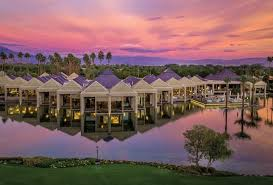
  The Vintage Club, located in Indian Wells, California, is one of the most exclusive and prestigious private golf clubs in the United States. Known for its luxurious amenities, challenging golf course, and exceptional service, The Vintage Club offers a top-tier golf experience. Here’s a detailed overview:
History

  • Founding: The Vintage Club was founded in 1984. It was established by a group of prominent business leaders and golf enthusiasts who wanted to create an elite, private golf community in the Coachella Valley.
  • Development: The club was developed with a focus on providing a premier golf experience, and it has grown in reputation for its exclusive membership and high standards of service.

Course Design

  • Architects: The golf course at The Vintage Club was designed by renowned golf course architect Tom Fazio. Known for his innovative designs and attention to detail, Fazio created a layout that combines strategic challenge with natural beauty.
  • Features: The Vintage Club’s course is celebrated for several distinctive features:
    • Challenging Layout: The course offers a challenging yet enjoyable layout, with a variety of holes that require strategic thinking and precise shot-making.
    • Natural Beauty: The design integrates the natural landscape of the Coachella Valley, including lush fairways, strategically placed bunkers, and water features.
    • Private Setting: The course is set within a gated community, ensuring privacy and exclusivity for members.

Course Details

  • Length: The course measures approximately 7,000 yards from the championship tees, though it can vary depending on the tee placement.
  • Par: The Vintage Club’s course is a par 72, featuring a mix of par-3s, par-4s, and par-5s that offer a variety of challenges.
  • Difficulty: The course is known for its difficulty and strategic design. It features a number of risk-reward holes and requires accurate play to score well.

Facilities and Amenities

  • Clubhouse: The Vintage Club boasts a luxurious clubhouse with elegant dining options, a lounge area, and private event spaces. The clubhouse is designed to offer comfort and sophistication, reflecting the club’s high standards.
  • Practice Areas: The club provides extensive practice facilities, including a driving range, short game area, and putting greens. These facilities are designed to help members improve their game.
  • Spa and Fitness: The club offers a spa and fitness center, providing a range of wellness and fitness services to its members. This includes treatments, classes, and personalized fitness programs.

Membership

  • Exclusivity: Membership at The Vintage Club is highly exclusive. The club maintains a limited number of members to ensure a high level of service and privacy.
  • Application Process: Prospective members typically need to be sponsored by existing members and go through a thorough vetting process. The club seeks individuals who align with its values and standards.

Events and Tournaments

  • Club Tournaments: The Vintage Club hosts various internal tournaments and events for its members. These events often include club championships, member-guest tournaments, and social gatherings.
  • Private Events: The club is also available for private events, such as corporate meetings, weddings, and special celebrations. The clubhouse and facilities provide an elegant setting for such occasions.

Legacy and Impact

  • Reputation: The Vintage Club is known for its exclusivity and high standards. It is frequently listed among the top private golf clubs in the United States, and its reputation attracts discerning golfers from around the world.
  • Cultural Significance: The club is part of the prestigious golf community in the Coachella Valley, known for its luxury and high-profile residents. It contributes to the region’s reputation as a premier golf destination.

Notable Features

  • Design Excellence: Tom Fazio’s design for The Vintage Club is celebrated for its strategic complexity and integration with the natural landscape. The course is known for its beautiful and challenging layout.
  • Luxurious Setting: The club’s amenities and facilities reflect a commitment to providing a luxurious and comfortable experience for its members.

Overall, The Vintage Club is a premier golf destination offering an exceptional blend of challenging golf, luxurious amenities, and exclusive membership. Its commitment to excellence and high standards make it one of the most prestigious private clubs in the country.

Monday, September 16, 2024

Spyglass Hill Golf Course

 Spyglass Hill Golf Course, located in Pebble Beach, California, is one of the most renowned and challenging golf courses in the United States. It is part of the prestigious Pebble Beach Resorts and is known for its stunning scenery and demanding layout. Here’s a detailed look at Spyglass Hill:


History

  • Opening: Spyglass Hill Golf Course opened in 1966, designed by the renowned architect Robert Trent Jones Sr. It was developed as a complement to the Pebble Beach Golf Links, offering a different yet equally captivating golf experience.
  • Design Influence: The course was designed to take advantage of the natural topography of the area, including coastal dunes and Monterey pine forests. Jones aimed to create a challenging test of golf that would also offer breathtaking views.

Course Design

  • Architect: Robert Trent Jones Sr. designed Spyglass Hill, incorporating his signature style of strategic bunkering and challenging layouts. The course reflects his commitment to creating demanding and well-balanced golf courses.
  • Features: Spyglass Hill is known for several distinctive features:
    • Scenic Beauty: The course offers stunning views of the Pacific Ocean, coastal dunes, and lush forests. The scenery is as much a part of the experience as the golf itself.
    • Challenging Layout: The course is renowned for its difficulty, with a layout that demands precision and strategy. It includes a mix of long par-4s, tricky par-3s, and challenging par-5s.
    • Varied Terrain: The course features diverse terrain, including rolling fairways, thick rough, and strategically placed bunkers.

Course Details

  • Length: Spyglass Hill measures approximately 6,953 yards from the championship tees. The length can vary depending on the tee placement.
  • Par: The course is a par 72, with a balanced mix of par-3s, par-4s, and par-5s.
  • Difficulty: The course is known for its difficulty, with a course rating of 73.1 and a slope rating of 137. It is considered one of the toughest courses in the Pebble Beach area.

Notable Tournaments

  • AT&T Pebble Beach Pro-Am: Spyglass Hill is one of the courses used in the annual AT&T Pebble Beach Pro-Am, a prominent event on the PGA Tour. The tournament showcases the course's challenging nature and beautiful scenery.

Facilities and Amenities

  • Clubhouse: The clubhouse at Spyglass Hill offers a range of amenities, including dining options, locker rooms, and pro shop facilities. It provides a comfortable and welcoming environment for players.
  • Practice Areas: The course includes practice facilities, such as a driving range, putting greens, and a short game area, allowing players to prepare for their round.

Legacy and Impact

  • Reputation: Spyglass Hill is widely regarded as one of the top golf courses in the United States. Its challenging design and scenic beauty contribute to its prestigious reputation.
  • Cultural Significance: The course is part of the Pebble Beach Resorts, which are renowned for their world-class golf and luxury accommodations. Spyglass Hill adds to the allure of the Pebble Beach experience.

Notable Features

  • Design Challenges: Spyglass Hill features several challenging holes, including tight fairways, deep bunkers, and demanding green complexes. The course requires careful shot selection and precise execution.
  • Scenic Views: The course’s coastal location offers stunning views of the Pacific Ocean and the rugged California coastline, making it a visually spectacular place to play golf.

Overall, Spyglass Hill Golf Course is a premier destination for golf enthusiasts seeking a challenging and scenic golfing experience. Its combination of demanding play and breathtaking views makes it a standout course in the Pebble Beach area and a respected name in the world of golf.

Shinnecock Hills Golf Club

  Shinnecock Hills Golf Club, located in Southampton, New York, is one of the oldest and most prestigious golf clubs in the United States. Renowned for its historic significance, challenging course, and role in the development of American golf, Shinnecock Hills has a storied legacy and continues to be a leading venue in the golf world. Here’s a detailed overview:

History

  • Founding: Shinnecock Hills Golf Club was founded in 1891. It is one of the oldest golf clubs in America and played a significant role in the early history of the sport in the U.S.
  • Early Years: The club’s founding members included a group of golf enthusiasts who were instrumental in bringing the game to the United States. They were inspired by their experiences in Scotland and sought to create a course that reflected traditional links-style golf.

Course Design

  • Architects: The original design was created by a group of members, but the course has seen several redesigns and modifications over the years. Notably, the layout was refined by the renowned golf architect William Flynn in the 1920s.
  • Features: Shinnecock Hills is known for its classic links-style layout and its integration with the natural terrain of Long Island. Key features include:
    • Firm and Fast Conditions: The course is known for its firm, fast playing conditions, typical of traditional links courses. The layout takes advantage of the natural undulations and sandy soil.
    • Strategic Bunkering: Shinnecock Hills features strategic bunkering and challenging green complexes that require precise shot-making.
    • Elevation Changes: The course has significant elevation changes, providing both visual appeal and strategic challenges.

Course Details

  • Length: The course measures approximately 7,000 yards from the championship tees, though it can be stretched to over 7,400 yards for major events.
  • Par: The course is a par 70, featuring a mix of par-3s, par-4s, and par-5s.
  • Difficulty: Shinnecock Hills is known for its difficulty and has been consistently ranked among the top golf courses in the U.S. and the world.

Major Championships

  • U.S. Open: Shinnecock Hills has hosted the U.S. Open Championship multiple times, including in 1896, 1986, 1995, and 2004. It is one of the few courses to have hosted the U.S. Open on several occasions, reflecting its prominence in the game.
  • Other Tournaments: In addition to the U.S. Open, the course has hosted other notable events, including the U.S. Amateur and the Walker Cup.

Membership

  • Exclusivity: Membership at Shinnecock Hills is highly exclusive and sought after. The club maintains a limited number of members to preserve the quality of the experience and the integrity of the course.
  • Application Process: Prospective members typically need to be sponsored by existing members and go through a thorough vetting process.

Facilities and Amenities

  • Clubhouse: The clubhouse at Shinnecock Hills is designed to complement the course’s classic aesthetic. It offers dining facilities, locker rooms, and spaces for social gatherings.
  • Practice Areas: The club provides practice facilities, including a driving range, short game area, and putting greens, to help members and guests refine their skills.

Legacy and Impact

  • Historical Significance: Shinnecock Hills is considered a historic landmark in the world of golf. Its role in the early development of the game in the U.S. and its continued prominence in major tournaments underscore its significance.
  • Cultural Impact: The club’s commitment to preserving the traditions of golf and its classic course design have made it a symbol of excellence in the sport.

Notable Features

  • Design Philosophy: The course’s design reflects the principles of traditional links golf, with an emphasis on strategic play and natural terrain.
  • Historic Events: Shinnecock Hills has been the site of many memorable moments in golf history, including dramatic finishes and historic performances in major championships.

Overall, Shinnecock Hills Golf Club is a cornerstone of American golf, celebrated for its historic significance, challenging course design, and role in the sport’s development. Its reputation as one of the premier golf courses in the world continues to attract top golfers and enthusiasts from around the globe.

Pine Valley Golf Club

  Pine Valley Golf Club, located in Pine Valley, New Jersey, is one of the most revered and exclusive golf clubs in the world. It is widely recognized for its challenging course, historic significance, and commitment to preserving the traditions of golf. Here’s an in-depth look at Pine Valley Golf Club:


History

  • Founding: Pine Valley Golf Club was founded in 1913 by a group of local golf enthusiasts, including George Arthur Crump, who is credited with the course's design and vision. The club was established with the goal of creating a golf course that would challenge and thrill golfers of all levels.
  • Course Design: The original design was heavily influenced by Crump’s vision of a course that incorporated the natural terrain and presented a unique set of challenges. The course was built on sandy soil and heavily wooded land, contributing to its distinctive character.

Course Design

  • Architect: The course was designed by George Arthur Crump, with contributions from other notable golf course architects such as H.S. Colt. Pine Valley’s design is celebrated for its innovative layout and the way it integrates with the natural landscape.
  • Features: Pine Valley Golf Club is known for its demanding and unconventional design. It features:
    • Strategic Hazards: The course includes strategically placed bunkers, large undulating greens, and natural hazards that test every aspect of a golfer’s game.
    • Varied Terrain: The course takes advantage of the natural terrain, including sand dunes, dense woods, and natural water features.
    • Design Philosophy: Pine Valley is renowned for its emphasis on strategic play and shot-making. The course requires golfers to carefully plan their shots and navigate a variety of challenges.

Course Details

  • Length: The course measures approximately 7,000 yards from the championship tees, though the length can vary depending on the tee placement.
  • Par: The course is a par 70, with a layout that includes a mix of par-3s, par-4s, and par-5s.
  • Difficulty: Pine Valley is consistently ranked among the most difficult golf courses in the world. Its challenging design and the need for precise shot-making make it a true test of skill.

Membership

  • Exclusivity: Pine Valley Golf Club is known for its exclusivity. Membership is highly sought after and considered one of the most prestigious in the golf world.
  • Application Process: The club has a selective membership process, and prospective members typically need to be sponsored by existing members. The application process is thorough, and the club maintains a limited number of members to preserve its exclusivity and tradition.

Facilities and Amenities

  • Clubhouse: The clubhouse at Pine Valley is understated yet elegant, reflecting the club’s focus on golf rather than ostentatious displays. It provides dining and social spaces for members to relax and enjoy after a round.
  • Practice Areas: The club offers practice facilities, including a driving range, short game area, and putting greens, to help members refine their skills.
  • Pro Shop: The pro shop provides a selection of high-quality golf equipment and apparel, tailored to the needs of the club’s discerning members.

Events and Tournaments

  • Club Tournaments: Pine Valley hosts various internal tournaments and events for its members, including club championships and match play competitions.
  • Professional Events: The club does not regularly host professional tournaments, maintaining its focus on member play and preserving the privacy and exclusivity of the course.

Legacy and Impact

  • Rankings: Pine Valley Golf Club is frequently ranked among the top golf courses in the world by various golf publications and ranking organizations. It is known for its exceptional design and the challenge it presents to golfers.
  • Cultural Significance: The club has a rich history and is considered a bastion of traditional golf. Its commitment to preserving the integrity of the game and providing a challenging experience for golfers contributes to its esteemed reputation.

Notable Features

  • Design Innovations: Pine Valley is noted for its innovative approach to course design, including the use of natural features and strategic hazards. The course’s layout is widely regarded as one of the most original and challenging in the game.
  • Historical Significance: The club’s history and the vision of its founders have had a lasting impact on the world of golf. Pine Valley continues to be a symbol of excellence and tradition in the sport.

Pine Valley Golf Club remains a cornerstone of golf history, celebrated for its exceptional course design, exclusivity, and dedication to the traditions of the game. It offers a unique and challenging golfing experience, making it one of the most revered golf destinations in the world.

Friday, September 13, 2024

HONMA, USA

  HONMA is a well-regarded brand in the golf industry, known for its high-quality golf clubs, equipment, and accessories. The company, founded in Japan, has built a reputation for craftsmanship, innovation, and luxury. Here’s an overview of HONMA:

History

  • Founding: HONMA was founded in 1959 by Eiichi HONMA in Sakata, Japan. The company started as a small manufacturer of golf clubs, focusing on precision and quality.
  • Growth: Over the decades, HONMA expanded its product line and gained recognition for its commitment to craftsmanship and advanced technology. The brand became known for producing high-end, custom-made golf clubs.

Products

  • Golf Clubs: HONMA is renowned for its golf clubs, which include drivers, irons, wedges, and putters. The brand is known for its use of premium materials and attention to detail.

    • Drivers: HONMA drivers are celebrated for their advanced technology and performance. They often feature innovative designs to enhance distance, accuracy, and forgiveness.
    • Irons: The company offers a range of irons, from game-improvement models to blades, catering to different skill levels and preferences.
    • Wedges: HONMA wedges are designed for precision around the greens, with various grind options and finishes.
    • Putters: HONMA putters are crafted to provide excellent feel and control on the greens.
  • Customization: HONMA offers extensive customization options, allowing golfers to tailor their clubs to their individual specifications. This includes adjustments to loft, lie, shaft material, and grip preferences.

Technology and Innovation

  • Materials: HONMA uses high-quality materials in its clubs, including advanced composites, titanium, and stainless steel. The company often incorporates cutting-edge technology to improve performance.
  • Design: HONMA clubs are known for their elegant design and craftsmanship. The company combines traditional techniques with modern technology to create aesthetically pleasing and high-performing equipment.

Luxury and Craftsmanship

  • Premium Brand: HONMA is positioned as a premium brand in the golf industry. Its products are often associated with luxury and exclusivity.
  • Handcrafting: Many of HONMA’s clubs are handcrafted by skilled artisans, emphasizing precision and attention to detail. This craftsmanship is a key aspect of the brand’s appeal.

Golf Balls and Accessories

  • Golf Balls: HONMA produces golf balls designed to complement their clubs, with a focus on performance and consistency.
  • Accessories: The brand also offers a range of golf accessories, including bags, gloves, and apparel, all reflecting its commitment to quality and style.

Tour Presence and Endorsements

  • Professional Golf: HONMA has been represented on various professional tours and has sponsored several professional golfers. The brand’s equipment is used by players at the highest levels of the game.
  • Endorsements: The company has endorsements from professional golfers who value the performance and quality of HONMA products.

Global Reach

  • International Presence: Although HONMA originated in Japan, it has a significant global presence. The brand is recognized and respected in markets around the world, including North America, Europe, and Asia.
  • Distribution: HONMA products are available through a network of authorized dealers, specialty golf stores, and online retailers.

Legacy and Impact

  • Reputation: HONMA’s reputation for quality and luxury has made it a sought-after brand among discerning golfers. Its commitment to craftsmanship and innovation has solidified its position in the golf industry.
  • Cultural Impact: The brand is often associated with premium golf experiences and is favored by golfers who appreciate high-quality, meticulously crafted equipment.

Overall, HONMA is a prestigious brand in the golf industry, known for its high-end golf clubs, advanced technology, and luxury appeal. Its commitment to craftsmanship and performance continues to attract golfers who seek premium equipment and personalized service.

Andrew Dickson

 Andrew Dickson Long-Nosed, often referred to simply as Andrew Dickson, was a notable figure in the history of golf, especially in the early 20th century. Here's a detailed look at his life and contributions:

Biography

  • Birth and Early Life: Andrew Dickson was born in 1852 in Scotland. He was known for his involvement in golf during its formative years in the United States.

Golf Career

  • Professional Golfer: Long-Nosed was a professional golfer who played a significant role in the early development of golf in America. His career spanned the late 19th and early 20th centuries, a period of significant growth and development for the sport.

  • Notable Achievements: While detailed records of specific victories or championships are less documented compared to his contemporaries, his contributions to the sport were recognized in his era. He was well-regarded for his skill and was an influential figure in the golf community.

Contributions to Golf

  • Promoting Golf: Long-Nosed played a role in promoting and popularizing golf in the United States. His efforts helped to establish golf as a prominent sport in the country during its early years.

  • Golf Course Design: Although not as widely known for course design as some of his contemporaries, his influence on the sport was felt through his play and involvement in various golfing events and organizations.

Legacy

  • Influence: Andrew Dickson’s contributions to golf were part of the broader efforts that helped to establish and grow the sport in the United States. His work was instrumental in laying the foundation for future generations of golfers and golf enthusiasts.

  • Historical Impact: While not as prominent in historical records as some other figures, Long-Nosed is remembered as a significant part of the early history of American golf, contributing to its development and popularity.

Personal Traits

  • Nickname: His nickname, "Long-Nosed," was likely a reference to his physical appearance, which was a common practice of the time.

Andrew Dickson Long-Nosed remains a notable figure in the early history of golf, with contributions that helped shape the sport during its formative years in the United States. His role in promoting and establishing golf is remembered as part of the broader history of the game.

Cherokee Town & Country Club

  Cherokee Town & Country Club, located in Atlanta, Georgia, is one of the most prestigious private golf and country clubs in the region. Established in 1956, the club is renowned for its exceptional golf facilities, luxurious amenities, and rich history. Here’s a detailed overview:


History

  • Founding: Cherokee Town & Country Club was founded in 1956 by a group of local business and civic leaders. It was established with the goal of providing an exclusive, high-quality golf and country club experience.
  • Development: Over the years, the club has expanded and upgraded its facilities, establishing itself as one of Atlanta’s premier private clubs.

Golf Courses

Cherokee Town & Country Club features two notable golf courses: the Cherokee Course and the Brookhaven Course.

  1. Cherokee Course

    • Designer: Donald Ross
    • Opened: The course was originally designed by Donald Ross and opened in 1956.
    • Features: The Cherokee Course is celebrated for its classic design and challenging layout. It features traditional elements of Ross’s design philosophy, including strategically placed bunkers and undulating greens.
    • Characteristics: The course is known for its emphasis on accuracy and strategy, with a layout that challenges players while providing a picturesque setting.
  2. Brookhaven Course

    • Designer: The Brookhaven Course underwent significant renovations and redesigns, including work by Robert Trent Jones Jr.
    • Features: The course offers a modern design that contrasts with the classic layout of the Cherokee Course. It includes a variety of hazards and strategic elements.
    • Characteristics: Known for its diverse challenges and scenic views, the Brookhaven Course complements the Cherokee Course with its own unique set of features.

Clubhouse and Facilities

  • Clubhouse: The clubhouse at Cherokee Town & Country Club is a luxurious and elegant facility that serves as the heart of the club’s social and dining activities. It features classic architecture and provides a comfortable and sophisticated setting for members.
  • Dining: The club offers a variety of dining options, from formal dining rooms to more casual settings. Members can enjoy a range of culinary experiences, including fine dining and casual meals.
  • Event Spaces: The clubhouse includes several event spaces that can be used for weddings, corporate events, and other special occasions.

Amenities

  • Tennis: The club offers numerous tennis courts, including both clay and hard surfaces. It provides facilities for both competitive and recreational play.
  • Swimming: Cherokee Town & Country Club features a swimming pool and associated amenities, including a poolside area for relaxation and socializing.
  • Fitness: The club includes a well-equipped fitness center with state-of-the-art exercise equipment and wellness programs.
  • Social Events: The club hosts a range of social events, including member mixers, holiday celebrations, and themed gatherings, fostering a strong sense of community.

Membership

  • Exclusivity: Membership at Cherokee Town & Country Club is highly exclusive, with a focus on maintaining a high standard of service and member experience. The club is known for its selective membership process.
  • Application Process: Prospective members typically need to be sponsored by current members and go through a detailed application and approval process. This process often includes interviews and evaluations.

Legacy and Impact

  • Reputation: Cherokee Town & Country Club is renowned for its exceptional golf courses, luxurious amenities, and high standards of service. It is considered one of Atlanta’s top private clubs and is frequently ranked among the best in the region.
  • Community: The club is known for its strong sense of community and involvement in local charitable activities. It provides a welcoming environment for its members and encourages social engagement.

Notable Features

  • Design: Both the Cherokee and Brookhaven Courses are highly regarded for their design and the challenges they present to golfers. The classic design elements of the Cherokee Course and the modern features of the Brookhaven Course offer a diverse golfing experience.
  • Scenic Beauty: The courses and clubhouse are set in a picturesque location, providing beautiful views and a serene environment.

Cherokee Town & Country Club stands out as a premier destination for golf and country club enthusiasts, known for its combination of historic charm, luxurious amenities, and exceptional golfing facilities.

Thursday, September 12, 2024

Bighorn Golf Club

  BIGHORN Golf Club, located in Palm Desert, California, is a highly exclusive and prestigious golf club known for its stunning desert scenery, luxurious amenities, and top-tier golf courses. Here’s a detailed look at the club:

History

  • Founding: BIGHORN Golf Club was founded in 1992 by a group of golf enthusiasts and entrepreneurs, including local businessman and philanthropist R. David Young. The club was established with the goal of creating a world-class golf destination in the Coachella Valley.
  • Development: The club has grown to become one of the premier golf destinations in the U.S., with two acclaimed golf courses and a reputation for exclusivity and luxury.

Golf Courses

BIGHORN Golf Club features two main golf courses, each offering unique challenges and spectacular views.

  1. Mountain Course

    • Designer: Tom Fazio
    • Opened: 1996
    • Features: The Mountain Course is known for its dramatic elevation changes and panoramic views of the surrounding desert landscape. It features a challenging layout with numerous bunkers, water hazards, and undulating greens.
    • Characteristics: The course measures approximately 7,300 yards from the championship tees. It blends natural desert terrain with carefully designed features to create a visually stunning and demanding golf experience.
  2. Desert Course

    • Designer: Tom Fazio
    • Opened: 1999
    • Features: The Desert Course offers a more traditional desert golf experience with expansive fairways, strategic bunkering, and a layout that integrates the natural desert environment.
    • Characteristics: Measuring around 7,000 yards from the championship tees, the course emphasizes strategic play and shot placement, making it a complement to the Mountain Course with its own set of challenges.

Clubhouse and Facilities

  • Clubhouse: The clubhouse at BIGHORN Golf Club is a luxurious facility that serves as the center of the club’s social and recreational activities. It features elegant architecture, fine dining options, and various amenities.
  • Dining: The club offers several dining options, including formal and informal settings, where members can enjoy gourmet meals and a variety of culinary experiences.
  • Spa and Fitness: BIGHORN provides a range of wellness and fitness facilities, including a full-service spa, a state-of-the-art fitness center, and various wellness programs.

Amenities

  • Tennis and Pickleball: The club has multiple tennis courts and pickleball facilities, offering members a variety of options for racquet sports.
  • Swimming: BIGHORN features several swimming pools, including a large resort-style pool and a lap pool for exercise.
  • Social Events: The club organizes a range of social events, including member mixers, charity events, and themed gatherings, contributing to a vibrant community atmosphere.

Membership

  • Exclusivity: Membership at BIGHORN Golf Club is highly exclusive, with a rigorous application process. The club maintains a limited membership to ensure a high level of service and a private experience.
  • Application Process: Prospective members typically need to be sponsored by existing members and undergo a thorough vetting process, which may include interviews and evaluations.

Legacy and Impact

  • Reputation: BIGHORN Golf Club is known for its exceptional golf courses and luxurious amenities. It is frequently ranked among the top private golf clubs in the U.S. and is renowned for its commitment to providing an unparalleled golfing experience.
  • Community: The club has a strong sense of community among its members, with a focus on creating a welcoming and engaging environment.

Notable Features

  • Scenic Beauty: The club’s courses offer breathtaking views of the San Jacinto Mountains and the surrounding desert landscape, providing a visually stunning backdrop for golf.
  • Design: Both the Mountain and Desert Courses are acclaimed for their design, which incorporates natural desert features and challenges to create memorable golf experiences.

Overall, BIGHORN Golf Club stands out for its combination of world-class golf, luxurious amenities, and exclusive atmosphere, making it a premier destination for golf enthusiasts and those seeking an exceptional lifestyle experience.

Winged Foot Golf Club

  Winged Foot Golf Club, located in Mamaroneck, New York, is one of the most prestigious and storied golf clubs in the United States. It is renowned for its challenging courses, rich history, and significant contributions to the game of golf. Here’s a comprehensive overview of Winged Foot Golf Club:


History

  • Founding: Winged Foot Golf Club was founded in 1921. The club's name is inspired by the winged foot motif, which is associated with the ancient Greek goddess Nike, symbolizing victory.
  • Design and Development: The club's original courses were designed by the prominent golf course architects A.W. Tillinghast and later, the club's own architects, including Joe Finger and Bill Coore, who contributed to various modifications over the years.

Golf Courses

Winged Foot Golf Club features two highly regarded courses: the West Course and the East Course.

  1. West Course

    • Designer: A.W. Tillinghast
    • Opened: 1923
    • Features: The West Course is the most famous of the two and is renowned for its difficulty and strategic design. It features narrow fairways, deep bunkers, and challenging greens.
    • Notable Events:
      • U.S. Open: The West Course has hosted the U.S. Open several times, including in 1929, 1959, 1974, and 2006. It was also the venue for the 2020 U.S. Open, won by Bryson DeChambeau.
      • Walker Cup: The course has hosted the Walker Cup, a prestigious amateur team competition.
    • Characteristics: The course measures around 7,300 yards from the championship tees and is known for its demanding layout, which tests players' accuracy and strategic thinking.
  2. East Course

    • Designer: A.W. Tillinghast
    • Opened: 1929
    • Features: The East Course is slightly less renowned than the West Course but is still highly regarded for its challenging design and beautiful setting. It complements the West Course with its own unique set of challenges.
    • Characteristics: The course is known for its undulating greens and strategically placed hazards. It measures about 7,000 yards and offers a different type of challenge compared to the West Course.

Clubhouse and Facilities

  • Clubhouse: The clubhouse at Winged Foot Golf Club is an elegant and historic building that reflects the club’s storied past. It offers various amenities, including dining options, meeting rooms, and social spaces.
  • Amenities: In addition to golf, the club provides other amenities such as tennis courts and dining facilities. However, Winged Foot is primarily known for its exceptional golf courses.

Membership

  • Exclusivity: Membership at Winged Foot Golf Club is highly exclusive and sought after. The club maintains a limited membership to ensure the quality of the golfing experience.
  • Application Process: Prospective members typically go through a thorough application process, which includes recommendations and interviews.

Legacy and Impact

  • Historical Significance: Winged Foot Golf Club has played a significant role in the history of American golf. Its courses have hosted many major tournaments and are known for their challenging layouts.
  • Design: The club's courses, particularly the West Course, are celebrated for their strategic design and the difficulty they present to even the best golfers.
  • Cultural Impact: Winged Foot is considered one of the top golf courses in the U.S. and has a strong reputation within the golfing community.

Notable Moments

  • 1929 U.S. Open: The West Course hosted its first U.S. Open, which was won by Bobby Jones.
  • 1974 U.S. Open: The course was the site of the famous "Massacre at Winged Foot," where Hale Irwin won in challenging conditions.
  • 2006 U.S. Open: The West Course hosted the U.S. Open, won by Geoff Ogilvy. The course proved to be extremely demanding, showcasing its difficulty.
  • 2020 U.S. Open: Bryson DeChambeau won the U.S. Open at Winged Foot, demonstrating his powerful driving game and strategic play.

Winged Foot Golf Club remains a symbol of excellence in golf, known for its historic significance, challenging courses, and its contributions to the game’s rich tradition.

Merion Golf Club

  Merion Golf Club, located in Ardmore, Pennsylvania, is one of the most esteemed and historic golf clubs in the United States. Here's a detailed overview of the club:


History

  • Founding: Merion Golf Club was established in 1896. It originally played on a 9-hole course designed by the club's founders, but by 1912, it had expanded to an 18-hole layout.
  • Evolution: The club has a rich history, including a notable redesign by famed golf course architect Hugh Wilson in 1912. The club is known for its tradition and for maintaining a course that has become iconic in American golf.

Golf Courses

Merion Golf Club features two courses: the East Course and the West Course.

  1. East Course

    • Designer: Hugh Wilson
    • Opened: 1912
    • Features: The East Course is celebrated for its classic design and challenging layout. It is known for its small, undulating greens and tight fairways. The course has been the site of many significant tournaments and is considered one of the best golf courses in the U.S.
    • Notable Events:
      • U.S. Open: The East Course has hosted the U.S. Open multiple times, including in 1934, 1950, 1971, and 1981. It also hosted the 2013 U.S. Open, won by Justin Rose.
      • Walker Cup: The course has also hosted the Walker Cup, a prestigious amateur golf competition.
    • Characteristics: The course measures approximately 6,846 yards from the championship tees and is known for its strategic design, requiring accuracy and thoughtful shot placement.
  2. West Course

    • Designer: William Flynn
    • Opened: 1958
    • Features: The West Course is often considered a complementary layout to the East Course, featuring a more modern design. It is known for its rolling terrain and is a bit more forgiving than the East Course.
    • Characteristics: The course provides a different set of challenges and is used for various club events and tournaments.

Clubhouse and Facilities

  • Clubhouse: The clubhouse at Merion Golf Club is a historic building that offers classic architecture and a traditional golf club atmosphere. It provides dining facilities, meeting rooms, and areas for social events.
  • Amenities: In addition to golf, the club offers various amenities, including dining options and social spaces. However, Merion is renowned primarily for its golf courses and historic significance rather than extensive recreational facilities.

Membership

  • Exclusivity: Membership at Merion Golf Club is highly exclusive and selective. The club has a long history of maintaining a limited membership to preserve the quality and tradition of the golfing experience.
  • Application Process: Prospective members typically undergo a rigorous application process, which includes recommendations and approval by existing members.

Legacy and Impact

  • Historical Significance: Merion Golf Club is renowned for its role in the history of American golf. Its courses have hosted numerous major tournaments and have been the site of memorable golf moments.
  • Design: The design of the East Course, in particular, is celebrated for its strategic challenge and its ability to test the skills of even the best golfers.
  • Cultural Impact: The club has a strong tradition and a respected place in the golfing community, contributing to its status as one of the top golf courses in the United States.

Notable Moments

  • 1934 U.S. Open: The East Course was the site of a memorable U.S. Open victory by Olin Dutra.
  • 1950 U.S. Open: Ben Hogan won the U.S. Open at Merion in 1950, marking his return to golf after a near-fatal car accident.
  • 2013 U.S. Open: Justin Rose claimed the championship, further cementing Merion’s reputation as a challenging and prestigious venue.

Merion Golf Club remains a symbol of tradition and excellence in golf, known for its historic significance, challenging courses, and its role in shaping the game of golf in the United States.

Wednesday, September 11, 2024

Kiawah Island Golf Resort

  Kiawah Island Golf Resort, located on Kiawah Island off the coast of South Carolina, is a premier destination known for its stunning natural beauty, world-class golf courses, and luxurious accommodations. Here’s a detailed look at the resort:


History

  • Founding and Development: Kiawah Island was originally a private hunting preserve before being developed into a resort in the early 1970s. The golf resort began to take shape in 1976 with the opening of its first course, the Oak Point Course.
  • Expansion: Over the decades, the resort expanded its offerings, adding several renowned golf courses and extensive amenities. It has become one of the most prestigious golf destinations in the U.S.

Golf Courses

Kiawah Island Golf Resort is renowned for its exceptional golf courses, which cater to players of all skill levels.

  1. Ocean Course

    • Designer: Pete Dye
    • Opened: 1991
    • Features: The Ocean Course is the crown jewel of Kiawah Island, known for its stunning coastal views and challenging design. It’s the only course to have hosted the PGA Championship twice (in 1991 and 2012) and the Ryder Cup in 1991.
    • Characteristics: The course features windswept dunes, sandy wastes, and a seaside layout that makes it one of the most scenic and demanding courses in the U.S. It measures around 7,300 yards from the championship tees.
  2. Turtle Point

    • Designer: Jack Nicklaus
    • Opened: 1981
    • Features: Turtle Point is known for its strategic layout and integration with the natural landscape. It includes multiple water hazards and bunkers that challenge players’ skills.
    • Characteristics: The course is characterized by its scenic beauty and thoughtful design, providing a test for golfers of all levels.
  3. Oak Point

    • Designer: Clyde Johnston
    • Opened: 1991
    • Features: Oak Point offers a more traditional, parkland-style layout compared to the coastal courses. It is known for its playability and beautiful setting among oak trees and wetlands.
    • Characteristics: The course features a variety of challenges, including water hazards and strategically placed bunkers.
  4. Osprey Point

    • Designer: Tom Fazio
    • Opened: 1988
    • Features: Osprey Point features a mix of traditional and contemporary design elements, with a layout that emphasizes strategy and shot placement.
    • Characteristics: The course is set among picturesque landscapes, including salt marshes and towering pines.
  5. Cougar Point

    • Designer: Gary Player
    • Opened: 1996
    • Features: Cougar Point is known for its challenging design and integration with the island’s natural terrain.
    • Characteristics: The course offers a blend of difficulty and beauty, with multiple water hazards and strategic bunkering.

Accommodations

  • The Sanctuary at Kiawah Island Golf Resort: This luxury hotel, opened in 2004, is the centerpiece of the resort. It offers elegant rooms, fine dining, a full-service spa, and stunning views of the Atlantic Ocean.
  • Villas and Vacation Rentals: The resort offers a range of vacation rental properties, from oceanfront villas to spacious homes, providing various options for families and groups.

Amenities

  • Dining: The resort features several dining options, including upscale restaurants and casual eateries. Notable dining venues include The Ocean Room, which offers steakhouse fare with ocean views, and the Beach Club, which provides a more relaxed dining experience.
  • Spa: The Sanctuary Spa offers a range of treatments and therapies, including massages, facials, and wellness services, providing a relaxing retreat for guests.
  • Recreation: In addition to golf, Kiawah Island Golf Resort offers a variety of recreational activities, including tennis, biking, kayaking, and fishing. The resort also features multiple swimming pools and a fitness center.

Events and Tournaments

  • PGA Championship: The Ocean Course has hosted the PGA Championship twice, showcasing its high profile in the golf world.
  • Ryder Cup: In 1991, the Ocean Course was the venue for the Ryder Cup, a significant event in professional golf.

Environmental and Community Efforts

  • Conservation: Kiawah Island Golf Resort places a strong emphasis on environmental stewardship, including efforts to preserve the natural landscape and protect local wildlife.
  • Community Involvement: The resort engages in various community initiatives and charitable activities, supporting local causes and contributing to regional development.

Legacy and Impact

Kiawah Island Golf Resort is renowned for its exceptional golf courses, luxurious accommodations, and commitment to providing an unforgettable experience for its guests. Its reputation as a top golf destination is bolstered by its world-class facilities, scenic beauty, and history of hosting major golf tournaments. The resort continues to be a leading destination for golf enthusiasts and vacationers alike.

Congressional Country Club

 Here’s a detailed look at Congressional Country Club, including its history, golf courses, facilities, and membership.


History

  • Founding: Congressional Country Club was founded in 1924 by a group of Washington, D.C., businessmen and politicians. The club was envisioned as a high-class venue for both golf and social gatherings.
  • Original Design: The club’s initial golf course, the Blue Course, was designed by Devereux Emmet and opened the same year as the club’s founding. It quickly gained a reputation for its challenging layout and excellent design.
  • Donald Ross Redesign: In 1926, the Blue Course underwent a redesign by the renowned golf course architect Donald Ross. His modifications enhanced the course’s reputation as one of the premier golfing destinations in the U.S.

Golf Courses

  1. Blue Course

    • Design: Originally designed by Devereux Emmet and later redesigned by Donald Ross, the Blue Course is known for its classic layout with strategically placed bunkers, challenging greens, and natural hazards. The course measures approximately 7,500 yards from the championship tees.
    • Notable Events:
      • U.S. Open (1964): Congressional hosted its first U.S. Open in 1964, won by Ken Venturi in challenging conditions.
      • PGA Championship (1976): The course hosted the PGA Championship, with Dave Stockton emerging as the winner.
      • KPMG Women's PGA Championship (2017): This event was part of the LPGA Tour, showcasing the course’s versatility in hosting major women’s tournaments.
  2. Gold Course

    • Design: Opened in 1980, the Gold Course was designed by Arthur Hills. It presents a different challenge compared to the Blue Course, with a layout that emphasizes strategic play and shot-making skills.
    • Features: The Gold Course measures around 7,000 yards and includes numerous water hazards and bunkers, providing a unique challenge for golfers.

Facilities and Amenities

  • Clubhouse:

    • Architecture: The clubhouse is an elegant structure reflecting classical design elements. It offers a spacious and refined setting for dining and social events.
    • Dining: The clubhouse features several dining options, including formal and informal settings. Members can enjoy gourmet meals and a variety of culinary experiences.
    • Event Spaces: The club provides venues for weddings, corporate events, and other special occasions, featuring beautiful views of the golf courses and surrounding landscapes.
  • Sports and Recreation:

    • Tennis: The club has multiple tennis courts, including both hard and clay surfaces, catering to tennis enthusiasts of all levels.
    • Swimming: There are swimming pools for both competitive and recreational swimming, as well as a dedicated area for families and children.
    • Fitness: The fitness center includes state-of-the-art equipment and offers various fitness classes and personal training services.
  • Social and Community Events:

    • Family Activities: The club organizes family-friendly events such as holiday parties, summer camps, and social mixers.
    • Charitable Activities: Congressional Country Club is involved in philanthropic efforts, hosting charity tournaments and events that benefit local and national causes.

Membership

  • Application Process: Membership is highly exclusive and involves a thorough application process. Prospective members typically need to be sponsored by existing members and undergo a vetting process.
  • Membership Types: Various membership categories are available, including full golf memberships, social memberships, and corporate memberships. Each type offers different access levels to the club’s facilities and events.
  • Fees: Membership fees at Congressional are significant, reflecting the club’s status and the exclusive nature of its facilities. Fees include initiation costs and annual dues.

Legacy and Impact

  • Reputation: Congressional Country Club is recognized as one of the premier golf clubs in the U.S. Its history of hosting major golf tournaments and its association with influential members contribute to its prestigious reputation.
  • Community Role: The club plays an important role in the local community, hosting events that benefit various charitable causes and engaging with local organizations.

Congressional Country Club remains a symbol of excellence in golf and country club amenities, combining a storied history with modern luxury and an enduring commitment to providing a top-tier experience for its members.

Trump National Golf Club

  The history of Trump National Golf Club dates back to its founding and development under Donald Trump’s ownership, though the locations themselves may have had different histories before being acquired and renamed. Here's a closer look at some of the notable clubs:

Trump National Golf Club Bedminster (New Jersey)

  • Acquisition: Donald Trump purchased the Bedminster property in 2002.
  • Development: The club was transformed into a premier golf destination. The 36-hole facility features two courses: the Old Course and the New Course.
  • Events: The club has hosted major events, including the U.S. Women's Open in 2017 and various PGA Tour Champions events.
  • Design: The courses were designed with a focus on maintaining the natural landscape and challenging golfers.

Trump National Golf Club Washington, D.C. (Virginia)

  • Acquisition: Trump acquired the club, originally known as the Seven Springs Estate, in 2011.
  • Development: The property was redeveloped into a luxury golf club featuring an 18-hole championship course designed by Jack Nicklaus.
  • Features: The club offers picturesque views of the Potomac River and high-end amenities.
  • Events: The club has hosted several high-profile events and is known for its exclusive nature.

Trump National Golf Club Los Angeles (California)

  • Acquisition: Trump acquired the club in 2006. The club, previously known as Los Angeles Country Club, was rebranded after the purchase.
  • Development: The course was redesigned by Pete Dye and features dramatic elevations and stunning ocean views.
  • Features: It is renowned for its challenging layout and scenic beauty, with panoramic views of the Pacific Ocean and Catalina Island.

Trump National Golf Club Miami (Florida)

  • Acquisition: Trump purchased the Doral Resort and its golf courses in 2012. The property was previously known for its association with the Blue Monster, a famous golf course.
  • Development: Trump invested in significant renovations to the courses, including redesigning the Blue Monster.
  • Events: The club has hosted the PGA Tour’s WGC-Cadillac Championship, among other notable tournaments.

General Developments Across Trump National Clubs

  • Branding: The Trump National Golf Clubs have been positioned as high-end, luxury destinations with a focus on providing top-tier amenities and exceptional golf experiences.
  • Design: Courses at these clubs often feature collaborations with renowned golf course designers and emphasize both challenging play and scenic beauty.
  • Exclusivity: Membership at these clubs is typically exclusive and expensive, reflecting their premium status and the high-profile nature of the Trump brand.

Overall, Trump National Golf Clubs represent a blend of luxury, exclusivity, and high-quality golf experiences, each with its own unique history and features.

Pinehurst No. 2

 Pinehurst No. 2, located in Pinehurst, North Carolina, is one of the most iconic and historic golf courses in the United States. Designed by Donald Ross, it is renowned for its unique design features and its significant role in the history of golf. Here’s a comprehensive look at Pinehurst No. 2:

Founding and Development

  • 1907: Pinehurst No. 2 was originally designed by Donald Ross and opened for play. Ross, a Scottish golf course architect, is known for his influence on American golf course design, and Pinehurst No. 2 is one of his most celebrated creations.

  • Design Philosophy: Donald Ross designed Pinehurst No. 2 with a focus on strategic play and natural terrain. The course is known for its challenging layout and innovative design features, including the use of "turtleback" greens.

Design and Features

  • Length: Pinehurst No. 2 measures approximately 7,565 yards from the championship tees and features a par-70 layout.

  • Design Characteristics:

    • Turtleback Greens: One of the most distinctive features of Pinehurst No. 2 is its "turtleback" greens, which are crowned and slope away from the center. These greens are known for their severe undulations and difficulty, making accurate approach shots and putting essential for success.
    • Bunkers: The course features numerous deep and strategically placed bunkers. These bunkers are often referred to as "sands," and they are an integral part of the course's design, adding to its challenge.
    • Strategy: Pinehurst No. 2 requires careful strategy and precision. The layout emphasizes the importance of positioning and shot-making, with challenging greens and hazards that penalize errant shots.

Major Tournaments

  • 1936: Pinehurst No. 2 hosted the inaugural PGA Tour event, marking the beginning of its association with major tournaments.

  • 1999: The U.S. Open was held at Pinehurst No. 2 for the first time. The event was notable for Payne Stewart’s dramatic victory, which included his iconic putt on the 18th green. The course’s challenging conditions and distinctive design elements were highlighted during the tournament.

  • 2005: Pinehurst No. 2 hosted the U.S. Open for the second time. Michael Campbell won the championship, and the tournament was notable for its challenging conditions and the course’s emphasis on strategic play.

  • 2014: Pinehurst No. 2 made history by hosting both the U.S. Open and the U.S. Women’s Open in the same year. This was the first time that both championships were held at the same venue in the same year. The women’s championship was won by Michelle Wie, while the men’s championship was won by Martin Kaymer.

Renovations and Updates

  • 2010: Pinehurst No. 2 underwent a significant renovation led by Bill Coore and Ben Crenshaw. The renovation aimed to restore the course to its original design while making it suitable for modern play. The work focused on preserving the course’s classic features, such as the turtleback greens and strategic bunkering.

  • Course Maintenance: The course continues to be maintained to high standards, with regular updates and adjustments to ensure it remains in top condition and continues to challenge golfers.

Cultural Impact and Legacy

  • Historical Significance: Pinehurst No. 2 is renowned for its historical importance and its role in shaping American golf course design. Donald Ross’s design principles, especially the use of crowned greens and strategic bunkering, have influenced many other courses.

  • Design Influence: The course’s unique features, particularly the turtleback greens, are often cited as exemplary in discussions about innovative golf course design. Pinehurst No. 2 is frequently listed among the top golf courses in the world.

  • Prestige: Hosting multiple major championships and being a frequent venue for high-profile golf events have solidified Pinehurst No. 2’s reputation as a premier golf course. Its challenging layout and historical significance continue to attract golfers and golf enthusiasts from around the world.

Pinehurst No. 2 remains a landmark in golf history, celebrated for its challenging design, unique features, and significant role in the sport. Its legacy as a premier golfing destination continues to endure, making it a cherished venue for both players and fans.

Tuesday, September 10, 2024

Cypress Point Club

  Cypress Point Club, located in Pebble Beach, California, is one of the most prestigious and exclusive golf courses in the world. Known for its breathtaking natural beauty and challenging layout, Cypress Point is highly regarded in the golfing community. Here’s a detailed overview:

Founding and Development

  • 1928: Cypress Point Club was founded by industrialist and philanthropist Samuel Morse, who also played a significant role in the development of Pebble Beach Golf Links. The course was designed by the renowned golf course architect Alister MacKenzie, who is celebrated for his work on Augusta National Golf Club and other notable courses.

  • 1928: The course opened for play in the same year it was founded. Alister MacKenzie’s design emphasized the natural landscape and aimed to create a golf course that harmonized with its stunning coastal setting.

Design and Features

  • Length: The course measures approximately 6,560 yards from the back tees and features a par-72 layout.

  • Design Characteristics:

    • Natural Beauty: Cypress Point Club is renowned for its breathtaking scenery, including dramatic coastal views, rugged terrain, and the iconic cypress trees that dot the landscape. The course is set against the backdrop of the Pacific Ocean and offers some of the most stunning vistas in golf.
    • Signature Holes:
      • 16th Hole: Often considered one of the most spectacular holes in golf, the 16th is a par-3 that plays along the edge of the ocean. It features a green that is set on a narrow promontory, surrounded by water and dramatic coastal cliffs.
      • 17th Hole: A challenging par-4 that requires a precise drive and approach shot to a green protected by bunkers and natural hazards. The hole offers magnificent views of the surrounding coastline.
      • 18th Hole: A par-4 that plays along the shore, providing a picturesque finish to the round with stunning views of the ocean and surrounding landscape.
  • Design Philosophy: Alister MacKenzie’s design philosophy for Cypress Point Club emphasized the natural features of the land, creating a course that blends seamlessly with its environment. The layout challenges players with its strategic use of natural hazards and its scenic yet demanding design.

Exclusivity and Access

  • Private Club: Cypress Point Club is one of the most exclusive golf clubs in the world. Membership is highly coveted and by invitation only. The club maintains a high level of secrecy regarding its membership and operations.

  • Access: The course is not open to the public, and access is typically limited to members and their guests. This exclusivity adds to the course’s allure and prestige.

Cultural Impact and Legacy

  • Golfing Heritage: Cypress Point Club is considered one of the greatest golf courses ever designed. Its combination of natural beauty, challenging play, and architectural excellence has made it a revered venue in the golf world.

  • Design Influence: Alister MacKenzie’s work at Cypress Point has been highly influential in the field of golf course design. The course’s integration with the natural landscape and its emphasis on strategic play are often cited as exemplary of MacKenzie’s design principles.

  • Media and Recognition: Although it is one of the most private and exclusive courses, Cypress Point Club has been featured in various golf publications and media. It is frequently listed among the top courses in the world and is admired by golfers and critics alike.

  • Historical Significance: The course has hosted numerous important golf events and is a frequent subject of discussion among golf enthusiasts. Its historical significance, combined with its stunning setting and exceptional design, has solidified its place in golf history.

Cypress Point Club remains a symbol of excellence in golf, known for its striking natural beauty, challenging design, and exclusive membership. Its legacy continues to influence the world of golf course design and maintains its status as one of the most revered and prestigious golf courses globally.

Wynn Golf Club

  Wynn Golf Club, located in Las Vegas, Nevada, is an exclusive and luxurious golf course known for its pristine condition and high-profile clientele. Here’s a detailed look at the course’s history, design, and significance:

Founding and Development

  • 2005: Wynn Golf Club opened to the public. It was designed by renowned golf course architect Tom Fazio and developed by Steve Wynn, the prominent Las Vegas casino owner known for his luxury resorts.

  • Purpose: The course was developed as a centerpiece of the Wynn Las Vegas resort, offering a high-end golf experience to complement the luxury and sophistication of the property.

Design and Features

  • Length: The course measures approximately 7,042 yards from the championship tees and features a par-71 layout.

  • Design Characteristics:

    • Tropical Setting: Despite being located in the desert, Wynn Golf Club features lush landscaping, including trees, water features, and meticulously maintained fairways and greens. This creates a tropical oasis-like atmosphere in contrast to the surrounding desert environment.
    • Water Features: The course includes several large lakes and water hazards that come into play on multiple holes, adding to both the beauty and challenge of the course.
    • Bunkers: Strategically placed bunkers are a prominent feature, designed to challenge players and enhance the course’s difficulty.
    • Design Elements: The layout incorporates dramatic elevation changes, strategic hazards, and a mix of long and short holes, making it a challenging yet enjoyable course for golfers of various skill levels.

Exclusivity and Access

  • Private Nature: Wynn Golf Club is known for its exclusivity. Access to the course is generally limited to guests of the Wynn Las Vegas resort and club members. It is not open to the general public, reinforcing its status as a high-end, private golf experience.

  • Luxury and Amenities: The course is designed to offer a luxurious golfing experience, with top-notch amenities, personalized services, and a focus on providing an exceptional experience for its guests.

Notable Events and Tournaments

  • Professional Events: While the course is not a regular host of PGA Tour events, it has been used for various high-profile corporate and charity events. Its exclusivity and high-end facilities make it a popular choice for special events.

Recent Developments

  • Renovations and Updates: In 2017, the course underwent a major renovation, including changes to the layout and improvements to the overall design. The renovation aimed to enhance the playing experience and maintain the course’s high standards.

  • Course Closure and Reopening: In 2021, the Wynn Golf Club was temporarily closed to accommodate a major redesign and expansion project. The renovation included adjustments to the course layout, landscaping, and infrastructure. The course reopened in 2022, continuing to offer a premier golfing experience.

Cultural Impact and Legacy

  • Design Influence: Tom Fazio’s design of Wynn Golf Club is celebrated for its ability to create a lush, tropical environment in the heart of the desert. The course’s combination of luxurious amenities and challenging play has set a high standard for resort golf courses.

  • Golfing Experience: Wynn Golf Club is known for its top-tier golfing experience, combining a beautiful setting, exclusive access, and exceptional service. It remains a significant destination for golf enthusiasts seeking a unique and upscale experience.

  • Prestige: The course’s association with the Wynn Las Vegas resort and its focus on providing a high-end experience have cemented its reputation as one of the premier private golf courses in Las Vegas.

Wynn Golf Club stands out for its luxurious design, exclusive access, and exceptional golf experience. Its combination of a lush, tropical environment in a desert setting and top-notch amenities make it a premier destination for golf enthusiasts seeking a high-end golfing experience in Las Vegas.

Whistling Straits

 Whistling Straits is a world-renowned golf course located in Kohler, Wisconsin. Designed by Pete Dye, it is known for its challenging layout and stunning, links-style design. Here's a detailed overview of Whistling Straits:

Founding and Development

  • 1998: Whistling Straits opened to the public. The course was designed by Pete Dye, a prominent golf course architect, and was developed by the Kohler Company, known for its luxury home and bath products.

  • Design Inspiration: The course was inspired by traditional Scottish links courses. Pete Dye aimed to create a layout that emulates the feel of a European links course while incorporating the natural landscape of the Wisconsin shoreline.

Design and Features

  • Length: The course measures approximately 7,790 yards from the championship tees, making it one of the longest courses in the United States.

  • Design Characteristics:

    • Links-Style Layout: Whistling Straits features a classic links-style design with wide fairways, strategically placed bunkers, and natural terrain that adds to the challenge.
    • Bunkers: The course is renowned for its numerous and deep bunkers, which are a defining feature of Pete Dye's design. There are over 1,000 bunkers on the course, adding to the difficulty and aesthetic appeal.
    • Water Hazards: The course is situated along the shores of Lake Michigan, and several holes incorporate water hazards, adding to the challenge and scenic beauty.
    • Elevation Changes: Although not typical of traditional links courses, the terrain at Whistling Straits features significant elevation changes and undulating fairways.

Major Tournaments

  • 2004: Whistling Straits hosted its first major championship, the PGA Championship. The event was won by Vijay Singh, who demonstrated his skill on the challenging layout.

  • 2010: The course hosted the PGA Championship again, with Martin Kaymer emerging as the winner. This tournament was notable for its dramatic finish and the course's challenging conditions.

  • 2015: Whistling Straits was the site of the PGA Championship for a third time, with Jason Day claiming victory. The event showcased the course’s reputation for providing a tough test for the world’s best golfers.

  • 2021: The course hosted the Ryder Cup, a prestigious team competition between Europe and the United States. The event was a major highlight in the course’s history, and Team USA defeated Team Europe in a highly anticipated and competitive match.

Recent Developments

  • Course Maintenance and Updates: The course has undergone periodic maintenance and updates to ensure it remains in top condition and continues to challenge professional and amateur golfers alike.

  • Hospitality and Facilities: The course, along with its associated resort and amenities, provides a luxury golfing experience, with high-end facilities and accommodations for visitors.

Cultural Impact and Legacy

  • Design Influence: Whistling Straits is highly regarded for its design and has been praised as one of the best modern links-style courses in the United States. Pete Dye’s work on the course is considered a significant contribution to contemporary golf course architecture.

  • Golfing Experience: The course is known for its unique and challenging layout, providing a memorable experience for golfers. Its dramatic setting along Lake Michigan and its links-style design make it a standout venue.

  • Prestige: Hosting multiple major championships and the Ryder Cup has solidified Whistling Straits' reputation as a premier golfing destination. The course’s combination of challenging play, scenic beauty, and high-profile events has made it a significant landmark in the world of golf.

Whistling Straits remains a testament to Pete Dye's visionary design and a premier destination for golf enthusiasts. Its challenging layout, stunning setting, and history of hosting major tournaments ensure its place as one of the most esteemed golf courses in the world.

Shadow Creek

  Shadow Creek Golf Course, located in Las Vegas, Nevada, is one of the most exclusive and renowned golf courses in the United States. Here’s a detailed look at its history, design, and significance:

Founding and Development

  • 1989: Shadow Creek was designed by the legendary golf course architect Tom Fazio. The course was developed by Steve Wynn, a prominent Las Vegas casino owner, who sought to create a luxurious and private golf experience.

  • 1990: The course opened to the public. From its inception, Shadow Creek was designed to provide a high-end, exclusive golfing experience, featuring a stunning and unique layout that contrasts sharply with the surrounding desert environment.

Design and Features

  • Length: The course measures approximately 7,240 yards from the championship tees and features a par-72 layout.

  • Design Characteristics:

    • Topography: Shadow Creek is known for its dramatic transformation of the landscape. The course was built on a former desert site and features lush, green fairways, water features, and a variety of trees and landscaping that create a park-like setting in contrast to the surrounding desert.
    • Water Features: The course includes several large lakes and water hazards that come into play on multiple holes, adding both beauty and challenge.
    • Bunkers: Strategically placed bunkers are a key feature, designed to challenge players and enhance the course’s difficulty.
    • Greens: The greens are known for their speed and undulation, requiring precision and skill to navigate.

Exclusivity and Access

  • Membership: Shadow Creek is known for its exclusivity. Access to the course is highly restricted, often limited to high-profile guests, celebrities, and special events. It is not open to the general public, and playing the course usually requires an invitation or special arrangements.

  • Corporate and Special Events: The course is frequently used for corporate events and special functions. It has been a popular venue for high-profile golf tournaments and exhibitions.

Notable Tournaments and Events

  • The Match: Shadow Creek gained widespread attention in November 2018 when it hosted "The Match," an exhibition match between Tiger Woods and Phil Mickelson. The event was broadcast on pay-per-view and highlighted the course's exclusivity and high profile.

  • Professional Events: While Shadow Creek is not a regular PGA Tour venue, its unique design and exclusive status make it a notable site for special golf events and exhibitions.

Recent Developments

  • Course Updates: Shadow Creek has undergone various updates and improvements over the years to maintain its high standards. These include enhancements to the course’s infrastructure, such as upgraded bunkers and improved landscaping.

  • Partnerships: In recent years, Shadow Creek has established partnerships with luxury brands and high-end experiences, reinforcing its reputation as a premier golfing destination.

Cultural Impact and Legacy

  • Design Influence: Tom Fazio’s design of Shadow Creek has been influential in the world of golf course architecture. The course’s ability to create a lush, green oasis in the desert has been widely praised and is often cited as a model for high-end golf course design.

  • Golf and Luxury: Shadow Creek is synonymous with luxury and exclusivity in the golf world. Its private nature and high-profile events contribute to its reputation as one of the most prestigious courses in the United States.

  • Celebrity and Media Presence: The course’s association with celebrities and high-profile events has enhanced its allure and status in the golfing world. It continues to be a sought-after destination for those seeking a unique and upscale golf experience.

Shadow Creek Golf Course stands out as a symbol of luxury and exclusivity in golf. Its distinctive design, private nature, and association with high-profile events make it a unique and celebrated venue in the world of golf.