Pages

Tag for Google

Showing posts with label best places for outing. Show all posts

Tuesday, October 8, 2024

Christ the Redeemer

  Standing majestically atop Corcovado Mountain in Rio de Janeiro, Brazil, the statue of Christ the Redeemer is one of the most recognizable symbols of Christianity and a global icon of Brazil. This colossal statue not only represents faith but also embodies the spirit of Rio, attracting millions of visitors each year. In this blog, we’ll delve into the history, significance, and visitor experience of this remarkable monument.

Origins and Construction

The idea for a statue of Christ overlooking Rio de Janeiro dates back to the 1850s, but it wasn't until the early 20th century that the project gained momentum. In 1921, the Catholic Circle of Rio proposed the statue, and the design was created by Brazilian engineer Heitor da Silva Costa, with inspiration from French sculptor Paul Landowski.

Construction began in 1922 and took nearly five years to complete, officially inaugurated on October 12, 1931. The statue, made of reinforced concrete and covered in thousands of soapstone tiles, stands at 30 meters (98 feet) tall, with an arm span of 28 meters (92 feet).

Symbol of Peace and Welcome

From its inception, Christ the Redeemer was designed to be a symbol of peace and love. The open arms of the statue are often interpreted as a welcoming gesture to all who visit Rio, making it a powerful emblem of hospitality and faith.

Design and Materials

The statue's design is a striking combination of Art Deco style and modern engineering. Its structure is not only visually stunning but also engineered to withstand the harsh weather conditions of the mountaintop. The soapstone tiles were chosen for their durability and aesthetic appeal, contributing to the statue's brilliant white appearance.

The Base and Surroundings

The base of the statue features a small chapel and offers stunning views of the city, including the iconic Sugarloaf Mountain and the sprawling beaches of Copacabana and Ipanema. The surrounding Tijuca National Park, one of the largest urban rainforests in the world, adds to the monument's breathtaking natural backdrop.

A Pilgrimage Site

Christ the Redeemer is not just a tourist attraction; it is a significant pilgrimage site for Christians around the world. Many visit to pray, reflect, and seek inspiration from this powerful representation of faith.

Events and Celebrations

The statue plays a central role in various religious events, including Easter celebrations and Christmas festivities. It has also been illuminated in different colors to mark significant global occasions, showcasing its role as a beacon of hope and unity.

Getting There

Reaching the statue involves a scenic journey. Visitors can choose to take a cog train that winds through the lush Tijuca Forest, offering breathtaking views of the surrounding landscape. Alternatively, there are vans and buses available that also provide transport to the summit.

Visitor Experience

Once at the top, visitors can enjoy panoramic views of Rio de Janeiro, making it a perfect spot for photography. The area around the statue is spacious, allowing for ample exploration and reflection.

Practical Tips

  • Best Time to Visit: Early morning or late afternoon are ideal for fewer crowds and better light for photos.
  • Weather Considerations: Check the weather forecast before your visit, as cloud cover can obscure views.
  • Tickets: It’s advisable to book tickets in advance, especially during peak tourist seasons.

Conclusion

Christ the Redeemer stands as a powerful symbol of faith, peace, and Brazilian culture. Its breathtaking presence, combined with stunning views of Rio de Janeiro, makes it a must-visit destination for travelers from all corners of the globe. Whether you’re seeking spiritual connection or simply wish to experience one of the world’s most iconic landmarks, a visit to this statue will undoubtedly leave you with lasting memories and a deeper appreciation for the beauty and diversity of humanity.

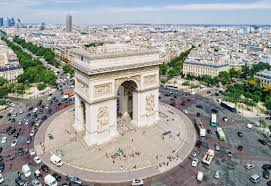
Arc de Triomphe

  The Arc de Triomphe stands as one of the most iconic symbols of Paris, encapsulating the city's rich history and culture. This monumental arch not only commemorates the military victories of the French nation but also serves as a poignant reminder of the sacrifices made for freedom. In this blog, we’ll explore the history, architecture, and cultural significance of the Arc de Triomphe, making it a must-visit landmark for anyone traveling to the City of Light.

Commission and Construction

The idea for the Arc de Triomphe was conceived in 1806 by Emperor Napoleon Bonaparte after his victory at Austerlitz. He wanted to honor the French army and its soldiers, and thus, the design was entrusted to Jean Chalgrin. Construction began in 1806 but faced numerous delays due to political upheaval, financial constraints, and changing regimes. It was finally completed in 1836, long after Napoleon's fall from power.

A Symbol of National Pride

Initially intended to celebrate military achievements, the Arc de Triomphe evolved into a national monument symbolizing French unity and pride. It honors all who fought for France, with names of notable military leaders inscribed on its surfaces. Additionally, the Tomb of the Unknown Soldier, added in 1920, lies beneath the arch, serving as a memorial to the unidentified soldiers who died in World War I.

Design Elements

The Arc de Triomphe stands at 50 meters (164 feet) tall and 45 meters (148 feet) wide, making it one of the largest triumphal arches in the world. Its Neoclassical design features intricate reliefs and sculptures that depict significant historical events and allegorical figures.

Sculptural Details

The arch is adorned with several stunning reliefs, designed by prominent artists such as François Rude and Jean-Pierre Cortot. These artworks illustrate scenes of battles, victories, and the French Revolution, effectively capturing the spirit of the nation.

The View from the Top

Visitors can ascend to the top of the Arc de Triomphe for breathtaking panoramic views of Paris. The rooftop terrace offers an unparalleled vantage point, showcasing landmarks like the Eiffel Tower, the Champs-Élysées, and the sprawling cityscape. The experience is especially magical at sunset when the city glows in golden hues.

A Gathering Place

The Arc de Triomphe is not just a historical monument; it serves as a cultural gathering place. It has been the site of numerous national celebrations, including military parades and commemorations. The annual Bastille Day parade, held every July 14th, features troops marching from the Arc down the Champs-Élysées, a testament to France's military heritage.

Commemoration of Events

The arch has also been a stage for significant historical events. For instance, it witnessed the return of the remains of Napoleon in 1840, symbolizing the enduring legacy of the emperor. In more recent years, it has served as a backdrop for protests and movements, reflecting the ongoing dialogue around national identity and freedom.

Getting There

Located at the western end of the Champs-Élysées, the Arc de Triomphe is easily accessible by public transportation. The nearest metro station is Charles de Gaulle-Étoile, which connects visitors to various parts of the city.

Visitor Experience

The monument is open to the public, and tickets can be purchased for access to the rooftop. Guided tours are also available, offering insights into the history and architecture of this iconic structure. Be sure to explore the small museum located inside the arch, which provides further context about its significance.

Practical Tips

  • Best Time to Visit: Early mornings or late afternoons are ideal for avoiding crowds and enjoying the views.
  • Photography: Capture stunning photos from both the ground level and the rooftop, especially during the golden hour.
  • Events: Check for any special events or commemorations that may be taking place during your visit.

Conclusion

The Arc de Triomphe is more than just an architectural masterpiece; it is a testament to the resilience and spirit of the French people. Whether you're interested in history, architecture, or simply want to soak in the beauty of Paris, this monument is a must-see. As you stand beneath its grand arches and gaze upon the sprawling city, you'll feel a profound connection to the past and the enduring legacy of those who fought for freedom and unity.

Wednesday, October 2, 2024

Leaning Tower of Pisa

  The Leaning Tower of Pisa, an iconic symbol of Italy, is famous for its unintended tilt. Located in the city of Pisa, this freestanding bell tower is part of the Piazza dei Miracoli (Square of Miracles) and attracts millions of visitors each year. In this blog, we’ll explore the history, architecture, and cultural significance of the Leaning Tower of Pisa.

Origins and Construction

Construction of the Leaning Tower began in 1173, designed to serve as the bell tower for the adjacent cathedral. The architect is often attributed to Bonanno Pisano, though there is some debate about this. The tower's construction faced challenges from the start, primarily due to the unstable foundation, which led to its infamous tilt.

Interrupted Construction

After the first three floors were completed, work on the tower was halted for nearly a century due to wars and financial issues. When construction resumed in 1272, the builders attempted to correct the tilt by adding higher floors with a slight slope in the opposite direction, creating a distinctive appearance.

Completion and Restoration

The tower was completed in 1372, standing at approximately 56 meters (183 feet) tall. Over the centuries, various stabilization efforts have been made to prevent further leaning. Major restoration projects in the late 20th and early 21st centuries successfully stabilized the structure, allowing visitors to enjoy it safely.

Design and Structure

The Leaning Tower of Pisa features a Romanesque architectural style, characterized by its rounded arches and columns. The tower is constructed of white and gray marble, with a circular plan that consists of eight stories, including the chamber for the seven bells at the top.

The Tilt

The tilt, which measures about 4 degrees (approximately 4 meters off vertical), is a result of the soft ground on one side of the foundation. Engineers have worked meticulously to ensure that the tilt does not increase, making the tower a remarkable example of architectural resilience.

The Bells

The tower originally housed seven bells, one for each note of the musical scale. The largest bell, known as the “Campana Maggiore,” weighs over 2,500 kilograms (5,500 pounds) and is one of the most famous bells in Italy.

A Symbol of Italy

The Leaning Tower of Pisa is one of the most recognized structures in the world, symbolizing Italy’s rich cultural and historical heritage. It represents the ingenuity and artistry of medieval architecture.

UNESCO World Heritage Site

In 1987, the Leaning Tower, along with the Cathedral of Pisa and the Baptistery, was designated a UNESCO World Heritage Site. The site is celebrated for its architectural beauty and historical importance.

Popular Culture

The tower has become a popular subject in art, literature, and photography. Its unique appearance has inspired countless works and has made it a favorite spot for tourists to capture iconic images.

Best Time to Visit

The best time to visit the Leaning Tower of Pisa is during the spring (April to June) and fall (September to October) when the weather is mild, and the crowds are less overwhelming.

Ticket Information

Visitors can purchase tickets to climb the tower, which includes a limited number of people allowed at a time. It’s advisable to book tickets in advance to avoid long wait times, especially during peak tourist season.

What to Expect

A visit to the Leaning Tower offers a chance to ascend its 294 steps for breathtaking views of the surrounding area. The Piazza dei Miracoli also features the stunning Cathedral and Baptistery, making it a comprehensive cultural experience.

Conclusion

The Leaning Tower of Pisa is more than just a quirky architectural wonder; it is a testament to human ingenuity and resilience. Its rich history, stunning design, and cultural significance make it a must-visit destination for anyone traveling to Italy. As you stand before this iconic structure, take a moment to appreciate the story behind its tilt and the beauty of the surrounding Piazza dei Miracoli.