Pages

Tag for Google

Showing posts with label best steel dealer in usa. Show all posts

Thursday, August 1, 2024

SSAB, USA

 SSAB, a Swedish company founded in 1974, entered the U.S. market to expand its global footprint and cater to the growing demand for high-quality steel products. The U.S. operations of SSAB began with a focus on producing advanced high-strength steels and have since evolved to include a wide range of products and services. The company has grown through both organic development and strategic acquisitions, enhancing its capabilities and market reach.


Core Products and Innovations

SSAB USA is renowned for its production of high-strength steel and advanced materials that cater to various industries, including automotive, construction, and heavy equipment. Here’s a closer look at some of its core products and innovations:

  1. High-Strength Steel: SSAB USA specializes in producing high-strength low-alloy (HSLA) steel that offers superior strength and durability while maintaining a relatively low weight. This type of steel is essential for applications where strength and performance are critical.

  2. Wear-Resistant Steel: The company also offers wear-resistant steels, such as SSAB Hardox®. These materials are designed to withstand severe wear and abrasion, making them ideal for use in mining, construction, and other heavy-duty applications.

  3. Advanced High-Strength Steel (AHSS): SSAB USA is at the forefront of developing advanced high-strength steels (AHSS) for the automotive industry. These materials enable manufacturers to produce lighter, more fuel-efficient vehicles without compromising safety or performance.

  4. Innovation in Steel Processing: SSAB USA invests heavily in research and development to advance steel processing technologies. This includes innovations in steelmaking, coating technologies, and production techniques that enhance product performance and efficiency.

Commitment to Sustainability

Sustainability is a core value for SSAB USA. The company is committed to reducing its environmental impact through various initiatives:

  1. Sustainable Production Practices: SSAB USA employs energy-efficient processes and technologies to minimize its carbon footprint. The company is also working on developing greener production methods, including the use of hydrogen in steelmaking to reduce greenhouse gas emissions.

  2. Recycling and Circular Economy: SSAB USA emphasizes the importance of recycling and circular economy principles. The company promotes the use of recycled materials in its steel production and strives to improve the recyclability of its products.

  3. Corporate Social Responsibility: Beyond environmental sustainability, SSAB USA is involved in various community and social responsibility initiatives. This includes supporting local communities, investing in employee development, and promoting diversity and inclusion within the workforce.

Impact on the Industry

SSAB USA’s contributions to the steel industry extend beyond its product offerings. The company’s focus on innovation and high-strength materials has set new standards for performance and durability in various applications. Its advancements in steel technology have driven significant improvements in product design and functionality across multiple sectors.

The company’s commitment to sustainability and responsible practices also influences industry trends, encouraging other manufacturers to adopt more environmentally friendly approaches.

Challenges and Future Directions

Like many in the steel industry, SSAB USA faces challenges such as market fluctuations, regulatory changes, and the need for continuous innovation. However, the company’s proactive approach to these challenges, including its investments in technology and sustainability, positions it well for future success.

Looking ahead, SSAB USA is likely to continue focusing on developing advanced steel solutions and expanding its presence in key markets. The company’s efforts to drive sustainability and innovation will play a crucial role in shaping the future of steel manufacturing.

Conclusion

SSAB USA stands as a leader in the steel industry, known for its high-strength materials, innovative solutions, and commitment to sustainability. With a rich history of excellence and a forward-looking approach, the company is well-positioned to continue its impact on the global steel market. Whether you’re involved in automotive manufacturing, construction, or any other industry reliant on high-performance steel, SSAB USA’s products and innovations offer significant value and performance benefits.


Cleveland-Cliffs Steel, USA

 Cleveland-Cliffs Inc. is a major player in the American steel industry. If you're looking to write a detailed blog about Cleveland-Cliffs, you can explore several aspects of the company, including its history, operations, financial performance, and industry impact. Here’s a structured outline you might use:


 Introduction

  • Overview of Cleveland-Cliffs: Briefly introduce the company and its significance in the steel industry.
  • Purpose of the Blog: Explain what readers will learn about Cleveland-Cliffs in this post.

2. Company History

  • Founding and Early Years:
    • Origins: How Cleveland-Cliffs was founded in 1847.
    • Initial Focus: Early operations in iron ore mining.
  • Key Milestones:
    • Major Acquisitions: Key acquisitions like the purchase of AK Steel and ArcelorMittal USA.
    • Transformations: Major changes in business strategy and structure.

3. Business Operations

  • Core Activities:
    • Steel Production: Description of the steel production process and Cleveland-Cliffs’ role.
    • Iron Ore Mining: Overview of their mining operations and major mining sites.
  • Product Range:
    • Steel Products: Types of steel products offered (e.g., flat-rolled steel, long products).
    • Markets Served: Industries and sectors that Cleveland-Cliffs serves (e.g., automotive, construction).

4. Financial Performance

  • Revenue and Profit Trends:
    • Recent Financial Reports: Key financial metrics from recent years.
    • Growth Trends: Analysis of revenue and profit growth.
  • Stock Performance:
    • Market Performance: Stock price trends and key factors influencing performance.
    • Investor Insights: Information on dividends, earnings reports, and investor relations.

5. Strategic Initiatives

  • Sustainability and Innovation:
    • Environmental Initiatives: Efforts towards reducing carbon footprint and sustainable practices.
    • Technological Advancements: Innovations in steel production and mining.
  • Expansion Plans:
    • Future Projects: Upcoming projects and expansions.
    • Market Strategies: Strategies for market expansion and competition.

6. Industry Impact

  • Role in the U.S. Steel Industry:
    • Market Position: Cleveland-Cliffs’ position among U.S. steel producers.
    • Economic Contribution: Impact on local economies and employment.
  • Challenges and Opportunities:
    • Industry Challenges: Key challenges facing the steel industry (e.g., global competition, tariffs).
    • Opportunities for Growth: Opportunities for Cleveland-Cliffs to leverage.

7. Recent News and Developments

  • Recent Announcements: Latest news, press releases, and company updates.
  • Impact of Recent Events: Analysis of how recent developments affect the company and the industry.

8. Conclusion

  • Summary of Key Points: Recap the main points discussed in the blog.
  • Future Outlook: Speculate on the future of Cleveland-Cliffs based on current trends and data.

9. References and Further Reading

  • Sources: List of sources used for research.
  • Additional Resources: Links to reports, official statements, and related articles.

Example Blog


Title: Cleveland-Cliffs: A Comprehensive Overview of America's Steel Powerhouse

Introduction

Cleveland-Cliffs Inc., a cornerstone of the American steel industry, has a rich history and a significant impact on both national and global scales. This blog will delve into the company’s history, its operational scope, financial performance, and its role in the industry.

Company History

Founded in 1847, Cleveland-Cliffs started as a mining company focused on iron ore. Over the decades, it evolved into a major steel producer. Key milestones include the acquisition of AK Steel in 2020 and ArcelorMittal USA in 2021, which transformed Cleveland-Cliffs into the largest producer of flat-rolled steel in North America.

Business Operations

Cleveland-Cliffs operates primarily in steel production and iron ore mining. Their products range from flat-rolled steel used in automotive manufacturing to long products for construction. The company serves a diverse set of industries, underscoring its pivotal role in the economy.

Financial Performance

In recent years, Cleveland-Cliffs has shown strong financial performance, with notable revenue and profit growth. The company’s stock has been influenced by various factors including market conditions and strategic acquisitions. A detailed look at their financial reports reveals a trajectory of growth and adaptation.

Strategic Initiatives

Cleveland-Cliffs is committed to sustainability, with initiatives aimed at reducing environmental impact. The company also invests in technological advancements to improve efficiency and production quality. Future expansion plans include new projects and market strategies designed to bolster its industry position.

Industry Impact

As a major player in the U.S. steel industry, Cleveland-Cliffs significantly contributes to the economy and employment. The company faces challenges such as global competition but also has ample opportunities for growth through innovation and strategic expansion.

Recent News and Developments

Recent developments include the launch of new products and strategic partnerships aimed at strengthening its market presence. These updates highlight Cleveland-Cliffs’ dynamic approach to industry challenges and opportunities.

Conclusion

Cleveland-Cliffs’ journey from a mining operation to a leading steel producer reflects its adaptability and resilience. As it continues to navigate industry challenges and embrace new opportunities, the company’s future remains promising.

References and Further Reading

  • Cleveland-Cliffs Official Website
  • Financial Reports and Investor Relations
  • Industry News and Analysis.

Timken Steel, USA

 Timken Steel Corporation is a leading player in the specialty steel sector, renowned for its high-quality steel products and commitment to innovation and customer service. Founded in 2014 as a spin-off from The Timken Company, Timken Steel has built on its rich legacy of excellence in steelmaking to become a key supplier for industries such as automotive, energy, and industrial applications. Headquartered in Canton, Ohio, Timken Steel is known for its specialized products and advanced manufacturing capabilities.


1. Company Overview

TimkenSteel was established to focus on the production of high-performance steel products, leveraging the extensive experience and expertise of The Timken Company. The company’s origins date back to 1899, and it has a long history of innovation and leadership in steel production. As an independent entity, TimkenSteel has continued to build on its heritage by investing in technology and expanding its product offerings.

2. Product Portfolio

TimkenSteel offers a diverse range of specialty steel products designed to meet the specific needs of various industries:

  • Heat-Treated Bars and Tubes: These products are designed for high-stress applications, including automotive and industrial uses. TimkenSteel’s heat-treated bars and tubes offer enhanced performance and durability.
  • Alloy and Carbon Bars: The company produces a variety of alloy and carbon bars, which are used in applications requiring specific mechanical properties and strength.
  • Precision Steel Tubes: TimkenSteel manufactures precision steel tubes for applications in the automotive, aerospace, and energy sectors, providing high-quality materials with tight tolerances.
  • Bearing Quality Steel: Used primarily in the production of bearings, this steel is known for its exceptional hardness and durability.

3. Innovation and Technology

TimkenSteel is committed to advancing steel production through innovation and cutting-edge technology:

  • Advanced Manufacturing Processes: The company employs state-of-the-art manufacturing techniques, including electric arc furnaces (EAFs) and continuous casting, to produce high-quality steel products.
  • Research and Development: TimkenSteel invests in R&D to develop new steel grades and improve existing ones, addressing the evolving needs of its customers and industries.
  • Digital Transformation: The company integrates digital technologies, including automation and data analytics, to optimize production processes, enhance quality control, and drive operational efficiency.

4. Commitment to Sustainability

Sustainability is a key focus for TimkenSteel, and the company is dedicated to implementing environmentally responsible practices:

  • Energy Efficiency: By utilizing advanced technologies and efficient production methods, TimkenSteel reduces energy consumption and minimizes its environmental impact.
  • Recycling: The company emphasizes the use of recycled materials in its production processes, contributing to resource conservation and waste reduction.
  • Environmental Stewardship: Timken Steel engages in various initiatives to reduce its carbon footprint and promote environmental sustainability, including efforts to minimize emissions and manage waste effectively.

5. Economic and Community Impact

Timken Steel has a significant impact on local and regional economies through job creation and community engagement. The company operates several facilities in the United States, providing employment opportunities and contributing to economic development. Timken Steel is also involved in community initiatives and charitable activities, reflecting its commitment to social responsibility and support for the communities where it operates.

6. Future Outlook

As Timken Steel looks to the future, the company is focused on expanding its capabilities and enhancing its product offerings. Timken Steel aims to continue leading the specialty steel sector through innovation, quality, and customer-centric solutions. The company’s strategic investments in technology and sustainability will be crucial in navigating industry trends and meeting the evolving demands of its diverse customer base.

Conclusion

TimkenSteel Corporation stands as a leader in the specialty steel industry, distinguished by its commitment to quality, innovation, and sustainability. With a rich heritage and a forward-looking approach, TimkenSteel continues to set benchmarks in steel production and customer service.

Wednesday, July 31, 2024

Commercial Metals Company, USA

 Commercial Metals Company (CMC) stands out as a significant player in the American steel industry, known for its comprehensive approach to steel production, recycling, and sustainability. Established in 1915 and headquartered in Irving, Texas, CMC has evolved from a regional metal recycling business into a global leader in the steel industry, serving a diverse range of markets and industries.


1. Company Overview

Founded by Charles E. Baugh and his associates, Commercial Metals Company initially focused on scrap metal recycling. Over the years, the company expanded its operations and product offerings through strategic acquisitions and investments. Today, CMC operates a network of steel mills, fabrication plants, and recycling facilities across the United States and internationally.

2. Product Portfolio

CMC’s diverse product range reflects its extensive capabilities in steel production and recycling:

  • Rebar: CMC produces a variety of reinforcing bars used in construction projects, including residential, commercial, and infrastructure applications. Rebar is essential for reinforcing concrete structures and ensuring their strength and durability.
  • Structural Steel: The company manufactures structural steel products, such as beams and channels, used in building construction and infrastructure projects.
  • Merchant Bar and Other Long Products: CMC offers a range of merchant bar products and long steel products, including angles and channels, which are used in various applications.
  • Fabricated Products: CMC’s fabrication services include the production of custom steel components and assemblies for specific project requirements.

3. Innovation and Technology

CMC is dedicated to leveraging advanced technologies to enhance its steel production and recycling processes:

  • Electric Arc Furnaces (EAFs): The company uses EAF technology to produce steel efficiently and with a reduced environmental footprint compared to traditional blast furnaces.
  • Automated Systems: CMC integrates automation and digital technologies into its operations to optimize production processes, improve quality control, and increase operational efficiency.
  • Research and Development: CMC invests in R&D to develop new steel products and improve existing ones, meeting the evolving needs of its customers and industries.

4. Commitment to Sustainability

Sustainability is a core principle at Commercial Metals Company, and the company is committed to environmentally responsible practices:

  • Recycling: CMC’s recycling operations are central to its business model, focusing on recovering and processing scrap metal to produce new steel products. This approach reduces the need for virgin raw materials and minimizes waste.
  • Energy Efficiency: By utilizing EAF technology and other advanced practices, CMC reduces energy consumption and greenhouse gas emissions associated with steel production.
  • Environmental Initiatives: The company engages in various environmental initiatives, including water conservation, waste reduction, and pollution prevention, to minimize its impact on the environment.

5. Economic and Community Impact

CMC has a substantial economic impact, supporting local economies through job creation and community engagement. The company’s operations provide employment opportunities and contribute to regional development. Additionally, CMC’s involvement in various community initiatives and charitable activities underscores its commitment to social responsibility.

6. Future Prospects

Looking ahead, Commercial Metals Company is poised for continued growth and innovation. The company’s focus on technological advancement, sustainability, and operational excellence positions it well to navigate industry trends and challenges. CMC is committed to expanding its capabilities, enhancing its product offerings, and furthering its sustainability initiatives to meet the demands of a dynamic market.

Conclusion

Commercial Metals Company exemplifies leadership in the steel industry through its commitment to innovation, sustainability, and comprehensive product offerings. From its origins as a metal recycling business to its current status as a global steel producer, CMC has consistently demonstrated resilience and adaptability.

US Steel

 U.S. Steel, formally known as United States Steel Corporation, is a historic and influential player in the American steel industry. Established in 1901, the company has been a key contributor to the U.S. industrial landscape for over a century. With its headquarters in Pittsburgh, Pennsylvania, U.S. Steel remains a significant force in steel production and innovation, adapting to the evolving demands of the global market while maintaining its foundational values.


1. Historical Background

Founded by J.P. Morgan, Elbert H. Gary, and other industrial giants, U.S. Steel was created through the merger of several steel companies, including Carnegie Steel Company and Federal Steel Company. The formation of U.S. Steel marked the beginning of a new era in the steel industry, consolidating resources and expertise to create one of the largest steel producers in the world. Over the years, U.S. Steel has navigated numerous industry changes and challenges, continually evolving to meet the needs of its customers.

2. Product Offerings

U.S. Steel provides a wide range of steel products that cater to various industries, including automotive, construction, energy, and appliances:

  • Flat-Rolled Products: This includes hot-rolled, cold-rolled, and coated steels used in automotive manufacturing, appliances, and construction. U.S. Steel’s flat-rolled products are known for their quality and performance.
  • Long Products: The company produces structural steel, including beams, channels, and angles, which are essential for construction and infrastructure projects.
  • Tubular Products: U.S. Steel’s tubular products, such as pipes and tubes, are used in energy exploration, including oil and gas drilling.
  • Steel Plate: High-strength steel plates are available for heavy machinery, structural applications, and other demanding uses.

U.S. Steel’s diverse product range reflects its ability to meet the varied needs of its extensive customer base.

3. Innovation and Technology

U.S. Steel is committed to innovation and technological advancement to maintain its competitive edge in the steel industry:

  • Advanced Steelmaking: The company utilizes electric arc furnaces (EAFs) and other state-of-the-art technologies to enhance production efficiency and product quality.
  • Research and Development: U.S. Steel invests in R&D to develop new steel grades, improve manufacturing processes, and explore new applications for steel.
  • Digital Transformation: The company incorporates digital technologies, including automation and data analytics, to optimize operations and improve decision-making.

4. Commitment to Sustainability

U.S. Steel places a strong emphasis on sustainability and environmental responsibility:

  • Energy Efficiency: By employing advanced technologies, U.S. Steel reduces energy consumption and lowers greenhouse gas emissions.
  • Recycling: The company is committed to recycling scrap steel, minimizing the need for raw materials, and reducing waste.
  • Environmental Stewardship: U.S. Steel engages in various initiatives to protect natural resources, including water conservation efforts and pollution reduction programs.

The company’s dedication to sustainability is integral to its operations and reflects its commitment to reducing its environmental footprint.

5. Economic Impact

U.S. Steel plays a crucial role in the U.S. economy, with its operations supporting local communities and contributing to economic growth. The company’s facilities across the country provide employment opportunities and drive economic development in the regions where it operates. Additionally, U.S. Steel’s influence extends to various industries that rely on its steel products, further underscoring its economic significance.

6. Future Outlook

Looking ahead, U.S. Steel is focused on adapting to industry trends and challenges. The company is investing in technology and innovation to enhance its competitive position and meet the evolving needs of its customers. U.S. Steel’s strategic initiatives include expanding its product offerings, improving operational efficiency, and advancing sustainability efforts.

Conclusion

U.S. Steel remains a cornerstone of the American steel industry, with a rich history of innovation and a strong commitment to sustainability. From its early days to its present-day operations, U.S. Steel has continually adapted to industry changes while maintaining its core values. 

ArcelorMittal USA

 ArcelorMittal USA is a major player in the American steel industry and a key subsidiary of ArcelorMittal, the world’s leading steel and mining company. With a legacy rooted in a global network and a significant presence in the U.S., ArcelorMittal USA stands out for its extensive product range, innovative practices, and commitment to sustainability.


1. Background and Global Reach

ArcelorMittal was formed in 2006 through the merger of Arcelor and Mittal Steel, bringing together two of the largest steel producers in the world. The company’s global headquarters is in Luxembourg, and its operations span across 60 countries. ArcelorMittal USA is an integral part of this global network, contributing to the company's leadership in steel production and innovation.

2. Product Offerings

ArcelorMittal USA provides a diverse array of steel products designed to meet the needs of various industries, including automotive, construction, and energy:

  • Flat-Rolled Steel: This includes products such as hot-rolled, cold-rolled, and coated steels. These products are essential for the automotive and appliance industries, as well as for various construction applications.
  • Long Products: ArcelorMittal USA produces structural steel products like beams, channels, and angles, which are crucial for construction and infrastructure projects.
  • Plate Products: High-strength steel plates used in heavy machinery and structural applications are part of the company’s offerings.
  • Tubular Products: These include pipes and tubes for energy and industrial applications.

ArcelorMittal USA’s focus on advanced technology and innovation ensures that its products meet the highest standards of quality and performance.

3. Innovation and Technology

ArcelorMittal USA is committed to technological advancement and continuous improvement in steel production:

  • Advanced Steelmaking: The company employs cutting-edge steelmaking technologies, including electric arc furnaces and advanced finishing processes, to enhance efficiency and product quality.
  • Research and Development: ArcelorMittal USA invests heavily in R&D to develop new steel grades and solutions that address evolving industry needs and customer requirements.
  • Automation and Digitalization: The company integrates automation and digital technologies into its production processes to improve efficiency, reduce costs, and enhance product consistency.

4. Commitment to Sustainability

Sustainability is a core value for ArcelorMittal USA. The company is dedicated to minimizing its environmental footprint and promoting responsible practices:

  • Energy Efficiency: By utilizing modern steelmaking technologies, ArcelorMittal USA reduces energy consumption and greenhouse gas emissions.
  • Recycling and Waste Management: The company focuses on recycling scrap steel and managing waste effectively, contributing to a circular economy and reducing resource consumption.
  • Environmental Initiatives: ArcelorMittal USA engages in various environmental conservation projects and works to improve the sustainability of its operations.

5. Economic and Community Impact

ArcelorMittal USA has a significant economic impact, supporting local economies through job creation and community engagement. The company operates multiple facilities across the United States, contributing to economic development and supporting various local initiatives. ArcelorMittal USA’s presence also helps drive innovation and growth in the steel industry.

6. Future Prospects

As ArcelorMittal USA looks to the future, the company remains focused on expanding its capabilities, enhancing product offerings, and advancing sustainability initiatives. The ongoing commitment to innovation and technological advancement positions ArcelorMittal USA to navigate industry challenges and capitalize on emerging opportunities.

Conclusion

ArcelorMittal USA embodies the strength and innovation of its parent company while maintaining a robust presence in the American steel industry. With its broad range of products, commitment to technological advancement, and dedication to sustainability, ArcelorMittal USA continues to play a pivotal role in shaping the future of steel production in the United States.

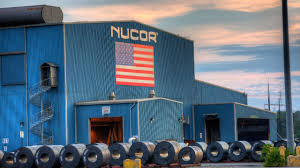
Nucor Corporation, USA

 Nucor Corporation is a leading player in the U.S. steel industry, renowned for its innovative approach to steel production and its unwavering commitment to sustainability. Established in 1940 and headquartered in Charlotte, North Carolina, Nucor has grown to become one of the largest and most successful steel producers in the United States, with a reputation for quality, efficiency, and corporate responsibility.


1. Origins and Growth

Nucor's journey began as a small, regional producer of steel products. The company initially operated as a small rebar mill but quickly expanded its operations through strategic acquisitions and the development of advanced steelmaking technologies. Nucor's growth was propelled by its focus on adopting electric arc furnace (EAF) technology, which allowed for more efficient and environmentally friendly steel production.

2. Product Range and Innovations

Nucor's diverse product lineup caters to a variety of industries, making it a crucial supplier in sectors such as construction, automotive, and energy:

  • Structural Steel: Nucor produces a range of structural steel products, including beams, channels, and angles used in construction and infrastructure projects.
  • Rebar and Wire Rods: These products are essential for reinforcing concrete structures and are widely used in construction and civil engineering.
  • Flat-Rolled Steel: Nucor’s flat-rolled products, including hot-rolled, cold-rolled, and coated steels, are integral to the automotive and appliance industries.
  • Plate Products: High-strength steel plates produced by Nucor are used in heavy machinery and structural applications.

Nucor is also known for its innovative approach to steelmaking, continuously exploring new technologies and processes to improve efficiency and reduce environmental impact. Its use of EAF technology is a testament to its commitment to modern, sustainable practices in steel production.

3. Commitment to Sustainability

Nucor's dedication to environmental stewardship and sustainability is a cornerstone of its operations:

  • Energy Efficiency: Nucor’s EAFs are significantly more energy-efficient compared to traditional blast furnaces, resulting in lower greenhouse gas emissions.
  • Recycling: The company is a major recycler of scrap steel, which reduces the need for raw materials and minimizes waste.
  • Waste Management: Nucor actively implements practices to reduce waste and enhance resource efficiency within its operations.

Nucor’s sustainability initiatives extend beyond production practices, as the company also engages in community development and environmental conservation projects.

4. Economic Impact

Nucor’s influence on the U.S. economy is substantial. With numerous facilities across the country, Nucor contributes to local economies through job creation, community involvement, and economic development. The company's success also supports various ancillary industries and helps drive economic growth in the regions where it operates.

5. Future Outlook

Looking ahead, Nucor is well-positioned to continue its leadership in the steel industry. The company remains focused on innovation, operational efficiency, and sustainability, which will be key to navigating future challenges and opportunities in the global steel market. Nucor’s strategic investments in technology and infrastructure are expected to reinforce its competitive edge and drive continued growth.

Conclusion

Nucor Corporation exemplifies the best of American steel production with its commitment to innovation, efficiency, and sustainability. From its early beginnings to its current status as a leading steel producer, Nucor’s impact on the industry and the economy is profound.

Steel Dynamics, USA

 Steel Dynamics, Inc. (SDI) is a cornerstone in the American steel industry, known for its innovative practices, commitment to sustainability, and substantial impact on the U.S. economy. Founded in 1993 and headquartered in Fort Wayne, Indiana, SDI has grown to become one of the largest domestic steel producers, with operations spanning multiple facilities and product lines.

1. A Brief History

Steel Dynamics was founded by a group of former Nucor executives who envisioned a company that would not only meet the steel demands of the U.S. market but also redefine industry standards. The company's first facility, a flat-rolled steel mill, was inaugurated in 1996. Since then, Steel Dynamics has expanded its operations significantly, embracing both technological advancements and strategic acquisitions.

2. Diverse Product Offerings

Steel Dynamics boasts a comprehensive portfolio of products to serve a variety of industries:

  • Flat-Rolled Steel: Used in automotive, appliance, and construction industries. SDI’s flat-rolled products include hot-rolled, cold-rolled, and coated steels.
  • Long Products: This category includes structural beams, channels, and bars, vital for construction and infrastructure projects.
  • Steel Plate: High-strength steel plates used in heavy equipment and structural applications.
  • Recycled Steel: Through its metals recycling division, SDI sources scrap steel to produce new steel products, reinforcing its commitment to sustainability.

3. Innovation and Technology

Steel Dynamics is at the forefront of adopting advanced technologies in steel production. The company's investment in electric arc furnaces (EAF) represents a significant shift from traditional blast furnaces, reducing both energy consumption and emissions. SDI’s commitment to innovation is evident in its state-of-the-art facilities and ongoing research into new steel products and processes.

4. Commitment to Sustainability

Sustainability is a core value at Steel Dynamics. The company has implemented numerous practices to minimize its environmental footprint:

  • Energy Efficiency: SDI’s use of EAF technology is a key factor in its lower energy consumption compared to traditional methods.
  • Recycling: By recycling scrap steel, SDI reduces the need for virgin raw materials and lessens the environmental impact of mining and processing.
  • Waste Management: The company employs advanced waste management systems to minimize waste and promote recycling within its facilities.

5. Economic Impact

Steel Dynamics plays a crucial role in the U.S. economy. With numerous facilities across the country, SDI contributes significantly to local economies through job creation and community engagement. The company’s economic impact extends beyond direct employment, supporting various ancillary industries and fostering economic growth in its operational regions.

6. Looking Ahead

As the steel industry continues to evolve, Steel Dynamics is well-positioned to meet future challenges and opportunities. The company’s focus on innovation, sustainability, and strategic growth ensures its continued leadership in the American steel sector. SDI’s proactive approach to industry trends and market demands underscores its commitment to remaining a key player in the global steel market.

Conclusion

Steel Dynamics, Inc. stands as a testament to American ingenuity and resilience in the steel industry. From its pioneering use of technology to its unwavering dedication to sustainability, SDI exemplifies how modern steel production can balance industrial growth with environmental responsibility.