Pages

Tag for Google

Showing posts with label football club. Show all posts

Wednesday, August 28, 2024

Arsenal Football Club

 Arsenal Football Club, based in Islington, London, is one of the most successful and popular football clubs in English football. Founded in 1886, Arsenal has a rich history filled with domestic and international success, notable players, and influential managers. Here's a comprehensive look at Arsenal FC's history:


Founding and Early Years (1886-1920s)

  • 1886: Arsenal was founded as Dial Square by workers at the Royal Arsenal in Woolwich. The name was changed to Royal Arsenal and then to Arsenal FC in 1913.

  • 1893: Arsenal joined the Football League, making its debut in the Second Division.

  • 1904: Arsenal was promoted to the First Division, establishing itself in the top tier of English football.

  • 1925: Arsenal appointed Herbert Chapman as manager. Chapman was a pioneering figure in English football and played a key role in Arsenal’s early success.

Herbert Chapman and the 1930s Success

  • 1930: Under Chapman, Arsenal won their first league title. This was the beginning of a dominant period for the club.

  • 1931: Arsenal won the FA Cup, and they went on to win the league title again.

  • 1933: Arsenal won the league title again, and they also secured the FA Cup.

  • 1934-1935: Arsenal won back-to-back league titles and established a period of dominance in English football. Chapman’s innovative tactics and strategies, such as the WM formation, revolutionized the game.

Post-War Years and the 1970s

  • 1953: Arsenal won the league title and the FA Cup, known as the "Double."

  • 1970-1971: Under manager Bertie Mee, Arsenal achieved another league and FA Cup "Double," with key players including Ian Wright, Frank McLintock, and Charlie George.

The 1980s and George Graham Era

  • 1986: George Graham was appointed as manager. His tenure marked a period of success, including defensive solidity and effective counter-attacking play.

  • 1989: Arsenal won the First Division title in a dramatic final-day showdown against Liverpool, thanks to a last-minute goal by Michael Thomas.

  • 1993: Arsenal won the FA Cup and the League Cup, achieving the "Double" in a single season.

Arsène Wenger Era (1996-2018)

  • 1996: Arsène Wenger was appointed as manager. Wenger’s arrival brought a new philosophy to the club, emphasizing attacking football and sports science.

  • 1997-1998: Arsenal won the Premier League and the FA Cup, with Wenger’s innovative approach leading to the team's success.

  • 2001-2002: Arsenal won the Premier League and the FA Cup again. The team, led by players such as Thierry Henry, Patrick Vieira, and Robert Pirès, was known for its attractive and effective football.

  • 2003-2004: Arsenal went through the entire Premier League season unbeaten, earning the nickname "The Invincibles." This remarkable achievement was a significant milestone in English football.

  • 2005: Arsenal won the FA Cup, adding to Wenger’s impressive trophy collection.

Post-Wenger Era and Recent Years

  • 2018: Arsène Wenger stepped down after a long tenure, and Unai Emery was appointed as manager. The club faced a period of transition, with mixed results on the field.

  • 2019: Arsenal reached the UEFA Europa League final but were defeated by Chelsea.

  • 2020-2021: Mikel Arteta, a former Arsenal player and assistant manager, was appointed as head coach. Arteta led Arsenal to win the FA Cup in 2020, defeating Chelsea in the final. The team also won the Community Shield in 2020.

  • 2021-2022: Arsenal continued to rebuild under Arteta, focusing on developing young talent and improving their squad. They finished the Premier League season in fifth place, narrowly missing out on a Champions League spot.

Notable Players and Managers

  • Herbert Chapman: Pioneering manager who transformed Arsenal into a dominant force in English football during the 1930s.

  • George Graham: Manager who led Arsenal to significant success in the late 1980s and early 1990s.

  • Arsène Wenger: Long-serving manager who revolutionized English football with his innovative approach and led Arsenal to multiple domestic and international successes, including "The Invincibles."

  • Thierry Henry: One of Arsenal’s greatest players, known for his prolific goal-scoring and contribution to the team's success during the early 2000s.

  • Patrick Vieira: Influential midfielder who was a key part of Arsenal’s success under Wenger.

  • Ian Wright: A prolific striker and Arsenal legend known for his goal-scoring ability and charismatic personality.

Stadium

  • Highbury: Arsenal's historic home from 1913 to 2006, known for its classic design and atmosphere.

  • Emirates Stadium: Arsenal’s current home, located in Islington, London. Opened in 2006, the stadium is known for its modern design and amenities.

Cultural Impact

  • "The Invincibles": The nickname for Arsenal’s 2003-2004 squad, which went through the entire Premier League season unbeaten—a remarkable achievement in English football.

  • Rivalries: Arsenal has notable rivalries with teams such as Tottenham Hotspur (North London Derby) and Manchester United. Matches against these teams are highly anticipated and often significant.

Achievements

  • Premier League Titles: 3 (1997-1998, 2001-2002, 2003-2004)
  • FA Cups: 14 (including wins in 1930, 1936, 1953, 1971, 1993, 1998, 2002, 2003, 2005, 2014, 2015, 2017)
  • League Cups: 2 (1987, 1993)
  • European Success: UEFA Cup Winners’ Cup (1994)

Arsenal FC has a rich history marked by periods of dominance, legendary players, and significant cultural impact. The club continues to be a major force in English football and has a passionate global fan base.

Monday, August 26, 2024

Miami Dolphins

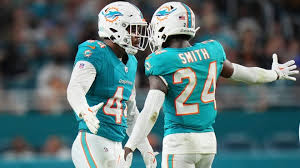
 The Miami Dolphins are a storied franchise in the NFL, known for their rich history and significant achievements. Here’s a detailed look at their history, achievements, and key moments:

Founding and Early Years (1966-1970)

  • 1966: The Miami Dolphins were founded as an expansion team, and the franchise was officially awarded to the city of Miami. The team was established by owner Joe Robbie and businessman Danny Thomas.

  • 1966: The Dolphins played their first season in the AFL (American Football League), finishing with a 3-11 record. Their inaugural game was against the Oakland Raiders.

  • 1968: The Dolphins hired Don Shula as head coach. Shula, who had previously coached the Baltimore Colts, would become one of the most successful coaches in NFL history.

The Perfect Season and Super Bowl Success (1971-1974)

  • 1971: The Dolphins reached their first Super Bowl (VI) but lost to the Dallas Cowboys 24-3.

  • 1972: The Dolphins achieved an unprecedented feat by completing the NFL’s only perfect season. They went 14-0 in the regular season and won Super Bowl VII by defeating the Washington Redskins 14-7. The 1972 Dolphins remain the only team in NFL history to achieve a perfect season.

  • 1973: The Dolphins won their second consecutive Super Bowl (VIII) by defeating the Minnesota Vikings 24-7. The team was led by a strong roster, including Hall of Famers Larry Csonka, Jim Kiick, and Paul Warfield.

  • 1974: The Dolphins continued to be a competitive force but did not win another championship during this period.

Post-Super Bowl Success and Challenges (1975-1982)

  • 1975-1980: The Dolphins continued to be a strong team, regularly making the playoffs. Don Shula's leadership and a talented roster kept the team competitive, though they did not capture another Super Bowl during this time.

  • 1981: The Dolphins reached the AFC Championship game but were defeated by the San Diego Chargers in a dramatic overtime game known as the "Epic in Miami."

  • 1982: The Dolphins made it to Super Bowl XVII but lost to the Washington Redskins 27-17.

The Marino Era (1983-1995)

  • 1983: Dan Marino was drafted by the Dolphins and quickly became one of the most prolific quarterbacks in NFL history. Marino’s arrival marked the beginning of a new era for the team.

  • 1984: Marino had an extraordinary season, setting multiple records and leading the Dolphins to Super Bowl XIX. However, they lost to the San Francisco 49ers 38-16.

  • 1985-1992: The Dolphins remained competitive, with Marino continuing to set records and lead the team to several playoff appearances. However, the team fell short of another Super Bowl victory during this period.

  • 1994: The Dolphins made it to the AFC Championship game but were defeated by the San Diego Chargers.

Challenges and Rebuilding (1996-2007)

  • 1996-2000: The Dolphins experienced a period of rebuilding with several coaching changes. Key players included running back Curtis Martin and quarterback Dan Marino.

  • 2000s: The team struggled with inconsistent performance and coaching changes. The Dolphins made several playoff appearances but did not advance far.

  • 2001-2006: The Dolphins hired Nick Saban as head coach in 2005. The team faced challenges in building a competitive roster.

The Tony Sparano Era and Return to Playoff Contention (2008-2015)

  • 2008: Tony Sparano was hired as head coach. The Dolphins won the AFC East title in 2008, their first division title since 2000. However, they were eliminated in the playoffs.

  • 2009-2010: The Dolphins continued to be competitive but struggled to make deep playoff runs.

  • 2011-2015: The team went through coaching changes and continued efforts to rebuild. The Dolphins hired Joe Philbin as head coach, but the team faced difficulties in achieving consistent success.

Recent Years (2016-Present)

  • 2016: The Dolphins hired Adam Gase as head coach. The team made the playoffs in the 2016 season but lost in the Wild Card Round to the Pittsburgh Steelers.

  • 2019: The Dolphins began a significant rebuilding phase, including the trade of key players and the focus on developing young talent.

  • 2020: The Dolphins showed improvement under head coach Brian Flores, with notable performances from rookie quarterback Tua Tagovailoa and a strong defensive unit.

  • 2021: The team continued to be competitive, but struggled with consistency and coaching changes. Brian Flores was dismissed as head coach at the end of the season.

  • 2022: Mike McDaniel was hired as head coach. The Dolphins showed promise with a high-powered offense led by quarterback Tua Tagovailoa and wide receiver Tyreek Hill, making a strong push for the playoffs.

Notable Players and Coaches

  • Don Shula: Hall of Fame head coach who led the Dolphins to two Super Bowl victories and is known for his leadership and innovative strategies.
  • Dan Marino: Hall of Fame quarterback known for his prolific passing and numerous records.
  • Larry Csonka: Hall of Fame running back who was a key player in the Dolphins' Super Bowl victories.
  • Jason Taylor: Pro Bowl defensive end known for his pass-rushing skills and leadership on defense.
  • Zach Thomas: Pro Bowl linebacker who was a key defensive player for the Dolphins.

Stadium

  • Hard Rock Stadium: The current home of the Miami Dolphins, located in Miami Gardens, Florida. The stadium, originally known as Joe Robbie Stadium, has undergone several renovations and is known for hosting various major events, including Super Bowl games.

Cultural Impact

  • "The Perfect Season": The 1972 Dolphins’ perfect season remains a significant achievement in NFL history and is a source of pride for the franchise and its fans.
  • Fan Base: The Dolphins have a passionate fan base and are an integral part of Miami's sports culture. The team's success in the 1970s and the presence of star players have contributed to a strong and dedicated following.

Achievements

  • Super Bowl Championships: 2 (1972, 1973)
  • AFC Championships: 5
  • Division Titles: Numerous AFC East titles

The Miami Dolphins have a rich history marked by a legendary perfect season, Super Bowl victories, and a strong fan base. The team continues to be an important and competitive force in the NFL, with a legacy of success and memorable moments. 

Sunday, August 25, 2024

Eagles Sport: American football

 Here’s a detailed history of the Philadelphia Eagles, an NFL team with a rich and storied legacy:


Founding and Early Years (1933-1940)

  • 1933: The Philadelphia Eagles were established as a replacement for the Frankford Yellow Jackets, who had folded due to financial difficulties. The team was named after the bald eagle, a symbol of the United States.
  • 1933: The Eagles played their first season in the NFL under the ownership of Bert Bell and the management of coach Lud Wray. Their inaugural game was a 56-0 loss to the New York Giants.
  • 1934: The Eagles hired their first head coach, Earl “Greasy” Neale, who would lead them to their first NFL Championship.

First Championship and Struggles (1940-1958)

  • 1948: The Eagles won their first NFL Championship, defeating the Chicago Cardinals 7-0. This was the first major success for the team and marked their arrival as a competitive force in the league.
  • 1949: The Eagles won their second consecutive NFL Championship, this time defeating the Los Angeles Rams 14-0.
  • 1950s: The team struggled with inconsistent performance and had several coaching changes. They faced difficulties in maintaining their competitive edge in the league.

The Jim Murray Era and The 1960s (1959-1968)

  • 1959-1968: The Eagles struggled throughout the 1960s but saw some competitive seasons. The team’s performance fluctuated, and they failed to secure any championships during this period.

The Dick Vermeil Era and Super Bowl XV (1970-1981)

  • 1970-1975: Dick Vermeil was hired as head coach and brought renewed energy to the team. The Eagles improved significantly under his leadership.
  • 1980: The Eagles made it to their first Super Bowl, Super Bowl XV, but lost to the Oakland Raiders 27-10. This was a significant achievement for the franchise, marking their first appearance on the NFL’s biggest stage.

The Buddy Ryan Era and Rise of the 1990s (1986-1998)

  • 1986: Buddy Ryan was hired as head coach and brought a tough defensive mindset to the team. The Eagles' defense became one of the league’s most formidable during this period.
  • 1992-1995: Despite strong performances, including playoff appearances, the team did not secure a Super Bowl title.

The Andy Reid Era and Super Bowl LII (1999-2012)

  • 1999-2012: Andy Reid was hired as head coach and led the team to consistent playoff appearances. Under Reid, the Eagles reached Super Bowl XXXIX in 2005 but lost to the New England Patriots 24-21.
  • 2000s: The Eagles became one of the most successful teams in the NFL, with numerous playoff appearances and division titles.

Super Bowl LII and Recent Years (2013-Present)

  • 2013: Chip Kelly was hired as head coach, bringing a high-tempo offensive approach. Kelly led the team to the playoffs but did not win a Super Bowl.
  • 2016: Doug Pederson was hired as head coach. Under Pederson’s leadership, the Eagles achieved significant success.
  • 2017: The Eagles won their first Super Bowl title, Super Bowl LII, on February 4, 2018. They defeated the New England Patriots 41-33. This victory was marked by the famous "Philly Special" trick play, where backup quarterback Nick Foles caught a touchdown pass.
  • 2018-Present: The team has experienced a mix of ups and downs, with efforts to build on their Super Bowl success. They continue to be a competitive force in the NFL.

Notable Players

  • Chuck Bednarik: A Hall of Fame linebacker and center who was known for his tough play and leadership.
  • Reggie White: A dominant defensive end and Hall of Famer who was a key player in the late 1980s and early 1990s.
  • Brian Dawkins: A star safety known for his intense play and leadership.
  • Nick Foles: The quarterback who led the Eagles to their first Super Bowl win.

Cultural Impact

  • Fan Base: The Eagles have a passionate and dedicated fan base, known for their loyalty and enthusiasm. The team’s fans, known as the “Eagles Nation,” are known for their vocal support and distinct traditions.
  • Rivalries: The Eagles have intense rivalries with teams like the Dallas Cowboys, Washington Commanders, and New York Giants. The matchups against these teams are highly anticipated and often feature fierce competition.

Stadium

  • Lincoln Financial Field: Known as "The Linc," the stadium has been the home of the Eagles since 2003. It is known for its modern amenities and enthusiastic atmosphere.

The Philadelphia Eagles have a rich history marked by both challenges and triumphs. Their journey from early struggles to achieving Super Bowl success reflects their resilience and the dedication of their players, coaches, and fans.

Saturday, August 24, 2024

San Francisco 49ers

  The San Francisco 49ers are one of the most storied franchises in NFL history. Here's a detailed look at their history, achievements, and key moments:


Founding and Early Years (1946-1979)

  • 1946: The San Francisco 49ers were founded as a member of the All-America Football Conference (AAFC) by the Morabito family. They played their first season in 1946, making them one of the oldest teams in the NFL.

  • 1949: The 49ers, along with the Cleveland Browns, Baltimore Colts, and the Los Angeles Dons, joined the NFL after the AAFC-NFL merger.

  • 1950-1959: The 49ers struggled in their early NFL years but built a foundation with players like Y.A. Tittle and Hugh McElhenny. They had a strong 1957 season, but consistent success eluded them.

  • 1960s: The team struggled in the 1960s with coaching changes and inconsistent performances. However, the drafting of key players and organizational changes set the stage for future success.

Rise to Dominance (1980-1994)

  • 1980: Bill Walsh was hired as head coach. Walsh introduced the innovative "West Coast Offense," which would become a hallmark of the 49ers' success.

  • 1981: The 49ers won their first Super Bowl (XVI) by defeating the Cincinnati Bengals 26-21. Joe Montana was named Super Bowl MVP.

  • 1982-1985: The 49ers continued their dominance with numerous playoff appearances and NFC West titles. The team’s success was fueled by key players such as quarterback Joe Montana, wide receiver Jerry Rice, and defensive end Fred Dean.

  • 1984: The 49ers won their second Super Bowl (XIX) by defeating the Miami Dolphins 38-16. Joe Montana was named Super Bowl MVP again.

  • 1986-1988: The team remained competitive, winning the NFC Championship in 1986 but falling short in the Super Bowl.

  • 1989: The 49ers won their third Super Bowl (XXIII) by defeating the Cincinnati Bengals 20-16. Joe Montana led a game-winning drive in the final moments, earning Super Bowl MVP honors.

  • 1990-1991: The 49ers continued their strong performance in the early 1990s, adding key players like running back Ricky Watters.

  • 1994: The 49ers won their fourth Super Bowl (XXIX) by defeating the San Diego Chargers 49-26. This was their final championship with Bill Walsh as head coach, and Steve Young was named Super Bowl MVP.

Post-Dynasty Years (1995-2010)

  • 1995-1998: The 49ers continued to be a competitive team under the leadership of Steve Mariucci, though they fell short of another Super Bowl victory.

  • 2000s: The 49ers went through several coaching changes and struggled to maintain the success of their previous decades. Key players included Terrell Owens and Jeff Garcia.

  • 2002-2003: The team made playoff appearances but did not advance past the Divisional Round.

  • 2004-2008: The team experienced several challenging seasons with inconsistent performances and coaching changes.

Return to Prominence (2011-Present)

  • 2011: Jim Harbaugh was hired as head coach and quickly revitalized the franchise. The 49ers made it to Super Bowl XLVII in the 2012 season but lost to the Baltimore Ravens 34-31.

  • 2013-2014: The 49ers continued to be competitive, reaching the NFC Championship Game in 2013 but falling short of the Super Bowl.

  • 2015-2016: The team faced struggles with coaching changes and poor performances. Chip Kelly was hired as head coach but was dismissed after a single season.

  • 2017: Kyle Shanahan was hired as head coach, and the team began to rebuild under his leadership.

  • 2019: The 49ers made a strong playoff run, reaching Super Bowl LIV but lost to the Kansas City Chiefs 31-20.

  • 2020-2021: The team experienced a mix of ups and downs due to injuries and rebuilding efforts but remained competitive.

  • 2022: The 49ers continued to be a strong team in the NFC, with a promising roster and playoff aspirations.

Notable Players and Coaches

  • Joe Montana: Hall of Fame quarterback and key figure in the 49ers’ Super Bowl victories. Known for his calm demeanor and clutch performances.
  • Jerry Rice: Widely considered the greatest wide receiver in NFL history, with numerous records and Super Bowl victories.
  • Steve Young: Hall of Fame quarterback who succeeded Joe Montana and led the team to a Super Bowl win in 1994.
  • Bill Walsh: Renowned head coach who revolutionized the game with his West Coast Offense and led the team to three Super Bowls.
  • George Seifert: Successor to Bill Walsh who also won two Super Bowls with the team.

Stadium

  • Levi’s Stadium: The current home of the 49ers, located in Santa Clara, California. It opened in 2014, replacing Candlestick Park. Levi's Stadium features modern amenities and advanced technology, enhancing the fan experience.

Rivalries

  • Seattle Seahawks: The rivalry with the Seahawks, known as the "NFC West Rivalry," is one of the most intense, with both teams frequently competing for division titles.
  • Dallas Cowboys: The rivalry with the Cowboys, known as the "Cowboys-49ers Rivalry," is one of the most storied in NFL history, marked by several classic playoff matchups.

Cultural Impact

  • Fan Base: The 49ers have a dedicated and passionate fan base known for their support and loyalty. The team’s success in the 1980s and 1990s helped solidify a strong following.
  • Legacy: The 49ers' success and innovative contributions to the game of football, particularly through the West Coast Offense, have left a lasting impact on the sport.

The San Francisco 49ers have a rich history characterized by periods of dominance, innovation, and passionate fan support. Their legacy includes four Super Bowl championships, a host of Hall of Fame players, and a continued presence as a competitive force in the NFL.

FC Barcelona

  FC Barcelona, commonly known as Barcelona or Barça, is one of the most successful and renowned football clubs in the world. Here's a comprehensive overview of its history:


Founding and Early Years (1899-1920)

  • 1899: FC Barcelona was founded on November 29, 1899, by Joan Gamper and a group of football enthusiasts from Catalonia and beyond. The club was established with the intention of promoting the sport of football in Catalonia.

  • 1900s: Barcelona quickly became a significant part of Catalan culture. They joined the Catalan Football League and later competed in the Spanish league system.

  • 1902: Barcelona won their first trophy, the Copa Macaya, in the Catalan championship.

  • 1910s: The club began to build a strong reputation, winning the Catalan Championship and the Copa del Rey (the Spanish Cup) multiple times.

Early Success and Growth (1920-1950)

  • 1928: FC Barcelona was a founding member of La Liga, the Spanish top-flight league, which began in the 1929-30 season.

  • 1929: Barcelona won the inaugural La Liga title.

  • 1930s: Under the management of Joan Gamper and later others, the club enjoyed continued success domestically. However, the Spanish Civil War (1936-1939) disrupted football in Spain, and the club faced difficult times during this period.

  • 1940s: Post-war, Barcelona rebuilt and continued to gain prominence. The club won several domestic titles, including La Liga championships.

The Joan Gamper Era and The Rise of La Masia (1950-1978)

  • 1950s: The club, under the presidency of Joan Gamper, saw a period of success. The 1950s also marked the rise of international footballers at the club.

  • 1953: The signing of Alfredo Di Stéfano, one of the greatest footballers of all time, was pivotal, although his transfer to Real Madrid led to a fierce rivalry.

  • 1957: The Camp Nou, Barcelona’s iconic stadium, was inaugurated. The stadium is one of the largest and most famous football stadiums in the world.

  • 1960s: Barcelona continued to be successful domestically, winning La Liga and the Copa del Rey during this period.

  • 1970s: The club saw the rise of Johan Cruyff, whose arrival was a turning point. Cruyff's influence on the field and his innovative approach to football began shaping the club’s future.

The Johan Cruyff Era and Total Football (1978-1994)

  • 1978: Johan Cruyff was appointed as the manager. His arrival marked the beginning of an era of significant change and success. Cruyff introduced the "Total Football" philosophy, which transformed the club’s playing style.

  • 1992: Barcelona won their first European Cup (now UEFA Champions League) under Cruyff, defeating Sampdoria 1-0 in the final. The victory was a milestone for the club and confirmed its place in European football.

  • 1990s: The "Dream Team," managed by Cruyff, achieved considerable success, including four consecutive La Liga titles from 1991 to 1994.

The Post-Cruyff Era and Return to Glory (1994-2008)

  • 1994: The club faced disappointment in the 1994 UEFA Champions League final, losing to AC Milan 4-0.

  • 2000s: The club experienced ups and downs with various managerial changes. However, Barcelona continued to be a competitive force in Spanish football.

  • 2003: The appointment of Frank Rijkaard as manager was a turning point. Rijkaard, alongside players like Ronaldinho, began to rebuild the team’s success.

The Pep Guardiola Era (2008-2012)

  • 2008: Pep Guardiola was appointed as manager. Guardiola's philosophy was heavily influenced by Cruyff's "Total Football" and emphasized possession-based football.

  • 2008-09: Barcelona won an unprecedented treble – La Liga, Copa del Rey, and UEFA Champions League. The team, featuring stars like Lionel Messi, Xavi Hernández, and Andrés Iniesta, played some of the most attractive football in history.

  • 2009-10: Barcelona won La Liga again, with Messi winning the FIFA Ballon d'Or.

  • 2010-11: The club won another UEFA Champions League title, defeating Manchester United 3-1 in the final. This team is often regarded as one of the greatest in football history.

  • 2011-12: Barcelona won La Liga with a record 100 points, but Guardiola left the club at the end of the season.

Recent Years and Challenges (2012-Present)

  • 2012-2014: Under Tito Vilanova and Gerardo Martino, the club continued to be competitive but faced challenges, including managerial changes and difficulties in the Champions League.

  • 2015: Luis Enrique, former Barcelona player, took over as manager. The team won another treble – La Liga, Copa del Rey, and UEFA Champions League – with a famous attacking trio of Messi, Neymar, and Luis Suárez.

  • 2016-2020: The club continued to be a major force in Spanish football but faced challenges in Europe. Notably, the club experienced a significant defeat to Liverpool in the 2019 UEFA Champions League semi-finals.

  • 2020-2021: The club faced financial difficulties and organizational challenges, including the departure of Lionel Messi in August 2021 due to financial constraints and La Liga regulations.

  • 2021-Present: Barcelona has been in a rebuilding phase, focusing on integrating young talent from their academy and making strategic acquisitions. The club aims to regain its former glory while navigating financial and competitive challenges.

Notable Achievements

  • Domestic Titles:

    • La Liga Championships: 27
    • Copa del Rey Titles: 31
  • European Titles:

    • UEFA Champions League Titles: 5 (1992, 2006, 2009, 2011, 2015)
    • UEFA Cup Winners’ Cup: 4 (1979, 1982, 1989, 1997)
    • UEFA Super Cup: 5 (1992, 1997, 2009, 2011, 2015)
  • International Titles:

    • FIFA Club World Cup: 3 (2009, 2011, 2015)

Key Figures

  • Johan Cruyff: Revolutionized the club with his football philosophy and led them to European glory.
  • Lionel Messi: Widely regarded as one of the greatest footballers of all time, Messi has won numerous individual awards and was central to the club’s success during his tenure.
  • Xavi Hernández & Andrés Iniesta: Key midfielders who were instrumental in the club’s success under Pep Guardiola.

Stadium

  • Camp Nou: The home of FC Barcelona since 1957, it is one of the largest football stadiums in the world with a capacity of around 99,000. The stadium is an iconic symbol of the club.

Cultural Impact

  • "Més que un club": The club’s motto translates to "More than a club," reflecting its deep connection with Catalan identity and culture.
  • Youth Academy (La Masia): Barcelona’s academy has produced numerous top players who have made significant contributions to both the club and world football.

FC Barcelona's history is characterized by periods of dominance, innovation, and significant contributions to football. The club continues to be a major force in both Spanish and international football.

Real Madrid Club

  Real Madrid Club de Fútbol, commonly known as Real Madrid, is one of the most successful and iconic football clubs globally. Here's a detailed overview of the club's history, achievements, and current status:


Overview

  • Full Name: Real Madrid Club de Fútbol
  • Founded: March 6, 1902
  • Stadium: Santiago Bernabéu Stadium
  • Location: Madrid, Spain
  • Nickname: Los Blancos (The Whites)
  • Colors: White

Achievements

  • Domestic League Titles (La Liga): 35
  • Copa del Rey Titles: 20
  • UEFA Champions League Titles: 14 (most in history, including wins in 1956, 1957, 1958, 1959, 1960, 1966, 1998, 2000, 2002, 2014, 2016, 2017, 2018, 2024)
  • UEFA Cup Winners' Cup: 1 (1998)
  • UEFA Europa League: 2 (1963-64, 1965-66)
  • FIFA Club World Cup: 5 (2014, 2016, 2017, 2018, 2023)
  • European Super Cup: 5 (2014, 2016, 2017, 2020, 2022)

Early Years and Formation (1902-1945)

  • 1902: Real Madrid was founded by a group of football enthusiasts led by brothers Juan and Carlos Padrós.
  • 1920: The club was honored with the title "Real" by King Alfonso XIII of Spain, hence the name Real Madrid.
  • 1930s: The club won its first La Liga title in 1932 and continued to build its reputation domestically.

Early Success and European Dominance (1950s-1960s)

  • 1955: The European Cup (now UEFA Champions League) was inaugurated. Real Madrid won the first five editions of the tournament from 1956 to 1960, establishing themselves as a dominant force in European football.
  • 1957-58: Real Madrid defeated AC Milan 3-2 in the European Cup final, marking the club's third consecutive victory.
  • 1960: The team won its fifth consecutive European Cup, defeating Eintracht Frankfurt 7-3 in the final.

The Galácticos Era (2000s)

  • 2000: Florentino Pérez became president and initiated the "Galácticos" era, bringing high-profile stars like Luís Figo, Zinedine Zidane, Ronaldo, and David Beckham to the club.
  • 2002: Real Madrid won their ninth European Cup (Champions League) with a 2-1 victory over Bayer Leverkusen in the final, featuring Zinedine Zidane’s famous volley.

Recent Success and Dominance (2010s-Present)

  • 2014: Real Madrid won their tenth European Cup (La Decima) under Carlo Ancelotti, defeating Atlético Madrid in the final.
  • 2016-18: The team won three consecutive Champions League titles under Zinedine Zidane, a feat never before achieved in the modern era of the competition.
  • 2022: Real Madrid won their 14th Champions League title by defeating Liverpool 1-0 in the final.

Recent Management and Key Figures

  • Managers: Notable recent managers include José Mourinho, Carlo Ancelotti, and Zinedine Zidane. Ancelotti returned for his second term in 2021.
  • Key Players: Past legends include Alfredo Di Stéfano, Cristiano Ronaldo, Raúl González, and Iker Casillas. Current stars include Karim Benzema, Luka Modrić, and Vinícius Júnior.

Youth Development and Academies

  • La Fábrica: Real Madrid's youth academy, known as La Fábrica, has produced numerous talented players who have gone on to make significant impacts both at the club and in international football.

Financials and Commercial Success

  • Real Madrid consistently ranks as one of the highest-earning football clubs in the world, thanks to its substantial revenue from sponsorships, merchandise, and matchday income. The club’s brand is one of the most recognizable in global sports.

Stadium

  • Santiago Bernabéu Stadium: Opened in 1947 and located in Madrid, it has a capacity of over 80,000. The stadium is undergoing a major renovation project aimed at modernizing its facilities and enhancing the fan experience.

Rivalries

  • El Clásico: The fierce rivalry with FC Barcelona is one of the most celebrated and intense in football. Matches between the two clubs are known as El Clásico and are followed by fans worldwide.
  • Atlético Madrid: The rivalry with Atlético Madrid, known as the Madrid Derby, is also significant and highly competitive.

Real Madrid's history is marked by periods of immense success and influence in football. The club continues to be a major force both in Spanish and international football.

Manchester United Football Club

  Here’s a comprehensive history of Manchester United Football Club:


Early Years (1878-1902)

  • 1878: Founded as Newton Heath LYR Football Club by workers of the Lancashire and Yorkshire Railway. Initially a rugby team, they switched to association football in 1880.
  • 1892: Joined the Football League.
  • 1902: Financial troubles led to the club's bankruptcy, but it was saved by local brewery owner John Henry Davies. The club was renamed Manchester United in 1902.

Early 20th Century Success (1902-1958)

  • 1908: United won their first league title.
  • 1910: Old Trafford, the club's current stadium, was officially opened.
  • 1945-1963: After World War II, Sir Matt Busby was appointed manager in 1945. He built a young, exciting team known as the "Busby Babes."
  • 1952: United won the league title for the first time in 41 years.
  • 1956: United won the league title again.
  • 1958: The club suffered a tragic setback when the Munich air disaster occurred, claiming the lives of 23 people, including eight players. Despite this, Busby rebuilt the team with the help of emerging talents.

Golden Era under Sir Matt Busby (1958-1969)

  • 1963: United won the FA Cup, marking the beginning of their resurgence.
  • 1965: The team won the league title.
  • 1966: United won the FA Charity Shield.
  • 1968: Manchester United won the European Cup, becoming the first English club to do so. They defeated Benfica 4-1 in the final.

The Sir Alex Ferguson Era (1986-2013)

  • 1986: Sir Alex Ferguson was appointed manager. His tenure was marked by unparalleled success and transformation.
  • 1990-91: United won the FA Cup and the European Cup Winners' Cup.
  • 1992-93: Ferguson built a team featuring players from the youth academy, including David Beckham, Ryan Giggs, and Paul Scholes. United won their first Premier League title.
  • 1994-95: United won the league title again, securing back-to-back victories.
  • 1996-97: United won the league for the third consecutive year.
  • 1998-99: Achieved the treble – winning the Premier League, FA Cup, and UEFA Champions League. The Champions League final saw them come from behind to beat Bayern Munich 2-1.
  • 1999-2000: United won the Premier League again.
  • 2001-02: They continued their dominance, winning the Premier League for the third consecutive year.
  • 2007-08: United won the Champions League for the second time under Ferguson's reign, defeating Chelsea in the final.
  • 2008-09: United won the Premier League again.
  • 2012-13: Ferguson’s final season saw United win their 20th league title.

Post-Ferguson Era (2013-Present)

  • 2013: Sir Alex Ferguson retired, and David Moyes was appointed as his successor. Moyes struggled, leading to his dismissal in April 2014.
  • 2014-15: Louis van Gaal was appointed manager and led the team to an FA Cup win in 2016. However, he was dismissed shortly after.
  • 2016-18: José Mourinho was appointed manager, leading United to a League Cup and UEFA Europa League victory in 2017. Mourinho was dismissed in December 2018 due to poor results.
  • 2019-21: Ole Gunnar Solskjær, a former player, was appointed manager. Solskjær's tenure saw fluctuating results, and he was dismissed in November 2021.
  • 2022: Erik ten Hag was appointed manager. Under his leadership, United has been working to rebuild and return to the top of English and European football.

Key Figures

  • Sir Matt Busby: Legendary manager who led United to domestic and European glory.
  • Sir Alex Ferguson: Architect of United's modern success, with a career spanning over 26 years.
  • George Best, Bobby Charlton, Denis Law: Part of the Busby Babes and the 1968 European Cup-winning team.
  • Ryan Giggs, David Beckham, Paul Scholes: Key figures in the 1990s and early 2000s successes.
  • Cristiano Ronaldo: Rejoined the club in 2021, marking a return of one of the club’s most iconic players.

Recent Developments

  • 2022-Present: Under Erik ten Hag, Manchester United is focused on rebuilding and restoring its place among the elite of English and European football. The club has made significant investments in new players and facilities to achieve this goal.

Manchester United's history is rich with triumphs and trials, reflecting its status as one of football’s most prominent and influential clubs.