Pages

Tag for Google

Showing posts with label usa best horror places. Show all posts

Sunday, September 8, 2024

Biltmore House, USA

 The Biltmore House, located in Asheville, North Carolina, is America’s largest privately-owned home and a significant example of Gilded Age architecture. Built by George Washington Vanderbilt II, it stands as a testament to the opulence of the late 19th century and the grandeur of the Vanderbilt family’s wealth. Here’s a detailed look at the Biltmore House:


Historical Background

Construction:

  • Built (1889-1895): Construction of the Biltmore House began in 1889 and was completed in 1895. The estate was built by George Washington Vanderbilt II, the youngest son of Cornelius Vanderbilt, a wealthy industrialist who made his fortune in railroads and shipping.
  • Architectural Design: The house was designed by Richard Morris Hunt, a prominent architect of the time known for his work on various grand buildings. The architectural style of the Biltmore House is inspired by French château design, particularly the Château de Blois.

Architectural Features:

  • Size and Layout: The Biltmore House covers 175,000 square feet and has 250 rooms, including 35 bedrooms, 43 bathrooms, and 65 fireplaces. It is set on a sprawling 8,000-acre estate in the Blue Ridge Mountains.
  • Interior Design: The interior is lavishly decorated with fine European antiques, hand-carved woodwork, and exquisite tapestries. The house features a grand staircase, a library with over 10,000 books, and a dining room that can accommodate up to 64 guests.

Historical Significance

Gilded Age Opulence:

  • Social Events: The Biltmore House was used for lavish social events and gatherings. The Vanderbilt family entertained prominent guests, including President Grover Cleveland, and hosted numerous balls and banquets.
  • Farming and Agriculture: Beyond its role as a social and family retreat, the estate also included innovative agricultural practices. George Vanderbilt and his staff worked to improve the land, developing the estate’s farm and forestry operations.

Ownership and Legacy:

  • Family Ownership: The Biltmore House remained in the Vanderbilt family for several generations. George Washington Vanderbilt II's descendants continued to manage the estate, maintaining its grandeur and expanding its property.
  • Public Opening: In 1930, during the Great Depression, the estate was opened to the public to help offset the costs of maintaining the property. This move marked the beginning of the Biltmore House’s role as a tourist attraction.

Modern Era

Preservation and Tourism:

  • Historic Preservation: The Biltmore House is meticulously maintained, and its preservation is managed by the Biltmore Company, which is owned by the descendants of George Washington Vanderbilt II. The estate has undergone various restoration projects to ensure its historical integrity.
  • Tourist Attraction: Today, the Biltmore House is one of the most popular tourist destinations in the United States. It attracts visitors from around the world who come to explore its opulent architecture, extensive gardens, and the surrounding estate.

Special Events and Features:

  • Gardens and Grounds: The estate includes beautifully landscaped gardens designed by Frederick Law Olmsted, the renowned landscape architect who also designed Central Park in New York City. The gardens feature a variety of plants, floral displays, and water features.
  • Seasonal Events: The Biltmore House hosts various seasonal events, including a popular Christmas celebration featuring elaborate decorations, holiday-themed tours, and special activities.

Cultural and Historical Impact

Architectural Influence:

  • Design Legacy: The Biltmore House is a prime example of the French château style and has influenced American architecture. Its grandeur and detailed design serve as a benchmark for opulent residential architecture of the Gilded Age.

Media and Popular Culture:

  • Films and Shows: The Biltmore House has been featured in various films, television shows, and documentaries, further enhancing its cultural significance and appeal.
  • Historical Education: The estate provides educational programs and exhibits that offer insights into the history of the Vanderbilt family, the architectural design of the house, and the agricultural practices on the estate.

Legacy

The Biltmore House remains a symbol of American architectural achievement and the opulence of the Gilded Age. Its preservation as a historic site ensures that future generations can appreciate its grandeur and learn about the history of one of America’s most influential families. The estate continues to attract visitors and serves as a living monument to the vision and legacy of George Washington Vanderbilt II. 

Whaley House, USA

  The Whaley House, located in San Diego, California, is a historic building known for its architectural significance and reputed hauntings. Here's a detailed overview of the Whaley House:


Historical Background

Construction and Early Use:

  • Built (1857): The Whaley House was built by Thomas Whaley, a prominent San Diego businessman and one of the early settlers of the area. Construction of the house began in 1856 and was completed in 1857. It was originally intended to serve as the Whaley family’s residence.
  • Architectural Style: The house is designed in a Greek Revival style, featuring a symmetrical facade, tall columns, and spacious interior rooms. It is notable for being one of the earliest examples of this architectural style in Southern California.

Historical Significance:

  • First Commercial Building: Before it became a private residence, the Whaley House was used as the first commercial building in San Diego. It housed a general store and the town’s first theater, which were operated by Thomas Whaley and his family.
  • Family Residence: The house became the Whaley family’s primary residence, and the Whaleys lived there for many years. It was known for its elegant interior and the family’s active social life.

Notable Events and Tragedies

Family Tragedies:

  • Death of Thomas Whaley: Thomas Whaley’s life was marked by several personal tragedies. His first wife, Anna, died in 1858, shortly after the family moved into the house. Their infant daughter, who was born in 1857, also died in the same year. These early losses deeply affected the Whaley family.
  • Later Tragedies: The Whaley family experienced further tragedies in the subsequent years, including the deaths of their other children and Thomas Whaley himself in 1890.

Historical Events:

  • Theater and Store: During its early years, the house served as a venue for various theatrical performances and social events. It was also used as a general store and had significant social and commercial importance in early San Diego.

Haunted Reputation

Paranormal Claims:

  • Ghostly Apparitions: The Whaley House is widely known for its reputation as one of the most haunted houses in the United States. Visitors and staff have reported numerous paranormal experiences, including sightings of ghostly figures and unexplained noises.
  • Notable Spirits:
    • Thomas Whaley: Many believe that the spirit of Thomas Whaley haunts the house. Reports of his apparition and unexplained disturbances have been attributed to him.
    • Anna Whaley: Some witnesses have reported seeing the ghost of Anna Whaley, who is said to appear in the house and is associated with feelings of sadness and loss.
    • Other Spirits: The house is also said to be haunted by the spirits of the Whaley children and other individuals connected to its history.

Investigations:

  • Paranormal Research: The Whaley House has been the subject of numerous paranormal investigations and media features exploring its haunted reputation. Ghost hunters and paranormal researchers have reported various phenomena, contributing to the house’s eerie reputation.

Preservation and Modern Era

Restoration and Museum:

  • Historical Preservation: The Whaley House was restored and preserved to maintain its historical and architectural integrity. It is operated as a museum and historical site, offering guided tours that explore its history, architecture, and reputed hauntings.
  • Public Tours: The house offers tours to the public, providing insights into its history and the stories of the Whaley family. The tours also address the house’s paranormal reputation and include discussions of reported ghost sightings and experiences.

Cultural Impact:

  • Media Appearances: The Whaley House has been featured in various television shows, documentaries, and films focusing on haunted locations and ghost stories. Its reputation as a haunted house has contributed to its prominence in paranormal culture.
  • Local Landmark: The Whaley House is a significant local landmark in San Diego, representing both early architectural styles and the historical development of the region.

Legacy

The Whaley House stands as a testament to the history of early San Diego and the architectural style of the mid-19th century. Its reputation as a haunted location adds a layer of intrigue and fascination, drawing visitors interested in both history and the supernatural. The preservation of the Whaley House ensures that its legacy will continue to be explored and appreciated by future generations.

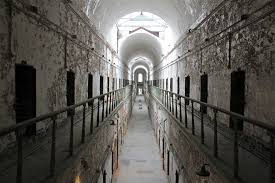
Eastern State Penitentiary, USA

  Eastern State Penitentiary, located in Philadelphia, Pennsylvania, is one of the most historically significant and well-preserved prisons in the United States. Known for its innovative architectural design and its reputation as a haunted location, Eastern State Penitentiary offers a unique glimpse into the history of criminal justice and prison reform. Here’s a comprehensive overview:


Historical Background

Construction and Early Years:

  • Founded (1829): Eastern State Penitentiary was founded in 1829, making it one of the earliest examples of the "Pennsylvania System" of imprisonment, which emphasized solitary confinement and rehabilitation.
  • Architectural Design: The prison was designed by architect John Haviland. Its design featured a radial layout, with cell blocks radiating out from a central hub. This innovative design aimed to allow guards to monitor prisoners from a central location and emphasized isolation.

Innovations:

  • Solitary Confinement: The prison was groundbreaking in its use of solitary confinement, where inmates were held in individual cells for most of their time. This system was intended to encourage reflection and rehabilitation but has since been criticized for its psychological impact.
  • Design Features: The penitentiary’s design included features such as skylights in the cells and central heating, which were considered advanced for the time.

Notable Inmates and Events

Famous Inmates:

  • Al Capone: One of the most notorious inmates was Al Capone, the infamous gangster who was incarcerated at Eastern State Penitentiary in 1929. Capone was held in a specially outfitted cell with luxurious furnishings compared to the standard cells.
  • Willie Sutton: Another notable inmate was Willie Sutton, a famous bank robber who was also held at the prison. Sutton was known for his multiple escapes from other institutions.

Historic Events:

  • Reforms and Changes: Over the years, the prison underwent various changes in management and approach, including shifts away from solitary confinement towards more conventional methods of imprisonment.
  • Decline: By the mid-20th century, Eastern State Penitentiary faced issues with overcrowding and deteriorating conditions. The prison eventually closed as a correctional facility in 1971.

Modern Era and Preservation

Restoration and Preservation:

  • Historic Landmark: In 1994, the site was opened to the public as a historic site and museum. Efforts have been made to preserve the prison's architecture and historical features while providing educational programs about its history and impact.
  • Tours and Exhibits: The penitentiary offers guided tours, including daytime tours and special events that explore its history, architecture, and the stories of its former inmates. Exhibits focus on the prison’s role in the evolution of criminal justice and prison reform.

Haunted Reputation:

  • Paranormal Activity: Eastern State Penitentiary is famous for its reputation as one of the most haunted locations in the United States. Visitors and staff have reported various paranormal experiences, including ghostly apparitions, unexplained noises, and feelings of unease.
  • Notable Ghost Stories:
    • Cellblock 12: Cellblock 12 is often cited as one of the most haunted areas of the prison. Visitors have reported hearing eerie sounds and seeing shadowy figures in this part of the facility.
    • The Ghost of "The Debtor's Cell": There are reports of a ghostly figure seen in the Debtor’s Cell, where inmates who were unable to pay their debts were held.
    • The Guard Tower: Paranormal investigators have reported unusual activity in the prison’s guard tower, including unexplained movements and voices.

Cultural Impact

Media and Pop Culture:

  • Documentaries and TV Shows: Eastern State Penitentiary has been featured in various documentaries, TV shows, and films exploring its history and haunted reputation. Its appearance in popular media has contributed to its status as a significant historical and paranormal site.
  • Haunted Attractions: The prison is also known for its annual Halloween attraction, “Terror Behind the Walls,” which transforms the facility into a haunted house experience, drawing visitors interested in both its historical and supernatural aspects.

Educational Value:

  • Historical Insights: The prison provides valuable insights into the history of incarceration, including the evolution of prison design and the treatment of inmates. It serves as an educational resource on criminal justice reform and the impact of solitary confinement.
  • Architectural Significance: The radial design of Eastern State Penitentiary is an important example of early 19th-century prison architecture and represents a significant shift in penal philosophy and design.

Legacy

Eastern State Penitentiary stands as a poignant symbol of the history of criminal justice and prison reform. Its innovative design, infamous inmates, and reputed paranormal activity make it a unique and compelling destination for those interested in history, architecture, and the supernatural. Its preservation as a historic site ensures that its legacy will continue to educate and fascinate future generations.

Crescent Hotel Eureka

 The Crescent Hotel, located in Eureka Springs, Arkansas, is a historic hotel known for its grandeur, architectural beauty, and its reputation as one of the most haunted hotels in the United States. Here’s an in-depth look at the Crescent Hotel:

Historical Background

Construction and Early Years:

  • Built (1886): The Crescent Hotel was constructed in 1886 by a group of investors led by the railroad tycoon Charles S. Moseley. The hotel was intended to be a luxurious resort for wealthy travelers visiting the therapeutic mineral springs of Eureka Springs.
  • Architectural Design: Designed by architect Isaac L. Cummings, the hotel features a mix of Victorian and Gothic Revival styles. Its prominent features include a grand entrance, expansive verandas, and ornate detailing.

Early Usage:

  • Health Resort: The Crescent Hotel initially served as a luxury resort and health spa, capitalizing on the reputation of Eureka Springs' mineral waters. It attracted a high-profile clientele seeking the reputed healing properties of the area’s springs.
  • Financial Troubles: Despite its opulent design, the hotel faced financial difficulties in its early years and went through several ownership changes.

Notable Events and Owners

Dr. Norman Baker Era:

  • Fraudulent Medical Practice: The most infamous period in the hotel’s history began in 1937 when it was acquired by Dr. Norman Baker, an impresario and charlatan who claimed to have a cure for cancer. Baker ran a fraudulent cancer hospital in the hotel, attracting patients from across the country with false promises of a cure.
  • Exploitation and Decline: Baker's treatment methods were ineffective and harmful, leading to numerous deaths. His practices drew the attention of law enforcement and the medical community. After Baker was exposed and the scam was shut down in 1939, the Crescent Hotel's reputation suffered greatly.

Subsequent Years:

  • Post-Baker Era: After Baker's departure, the hotel fell into disrepair and had various uses, including as a college dormitory and a summer camp for boys. It was not until the 1960s that efforts to restore and reopen the hotel began.

Renovation and Modern Era

Restoration and Revival:

  • Restoration Efforts: In 1997, the Crescent Hotel underwent a major restoration led by hotelier and preservationist Marty and Elise Roenigk. The restoration aimed to return the hotel to its former glory while preserving its historic features and charm.
  • Current Operations: Today, the Crescent Hotel operates as a luxury hotel and historic landmark. It offers a range of accommodations, dining options, and event spaces, and has become a popular destination for tourists.

Haunted Reputation:

  • Paranormal Activity: The Crescent Hotel is widely known for its haunted reputation. Guests and staff have reported various paranormal experiences, including ghost sightings, unexplained noises, and mysterious occurrences.
  • Notable Spirits:
    • Dr. Norman Baker: Some reports suggest that the spirit of Dr. Norman Baker is still present in the hotel, often associated with strange occurrences.
    • The “Cancer Patients”: The hotel is believed to be haunted by the spirits of patients who suffered under Baker’s fraudulent treatments. These spirits are said to manifest in various ways, including apparitions and unexplained sounds.
    • The “Irish Stonemason”: There are also accounts of a ghostly Irish stonemason who worked on the hotel’s construction and reportedly haunts the building.

Cultural and Historical Significance

Architectural Importance:

  • Design and Construction: The Crescent Hotel’s Victorian Gothic design and historical significance make it a notable example of 19th-century resort architecture. Its elaborate detailing and historic charm contribute to its status as a cherished landmark.

Tourism and Popularity:

  • Ghost Tours and Events: The hotel offers guided ghost tours and paranormal investigations, attracting visitors interested in the supernatural. The tours explore the hotel’s haunted history and share accounts of reported paranormal activity.
  • Historical Tours: In addition to its ghost tours, the Crescent Hotel provides historical tours that highlight its architectural features and the stories of its past.

Preservation and Legacy:

  • Historical Landmark: The Crescent Hotel is listed on the National Register of Historic Places, acknowledging its architectural and historical significance.
  • Cultural Impact: The hotel’s intriguing history, particularly the scandalous period under Dr. Norman Baker, has made it a subject of interest for those studying early 20th-century frauds and the supernatural.

Legacy

The Crescent Hotel remains a prominent example of American Victorian architecture and a testament to the resilience of historic preservation efforts. Its dual legacy as a luxury resort and a site of historical scandal, combined with its reputation as a haunted location, makes it a compelling destination for visitors interested in history, architecture, and the paranormal. 

Saturday, September 7, 2024

Edinburgh Castle

  Edinburgh Castle, perched atop Castle Rock in Edinburgh, Scotland, is one of the most iconic and historic landmarks in the United Kingdom. It has played a central role in Scotland’s history and continues to attract visitors from around the world. Here’s a comprehensive overview of Edinburgh Castle:

Historical Background

Early History:

  • Ancient Origins: The history of Edinburgh Castle dates back to at least the 12th century, but the site of Castle Rock has been occupied since at least the Iron Age, around 850 BC. Archaeological evidence suggests that the rock was used as a fortress in ancient times.
  • Medieval Fortress: The castle as it is known today began to take shape in the 12th century under King David I of Scotland. It became a royal residence and a symbol of the Scottish monarchy.

Royal Significance:

  • David I (1124-1153): King David I expanded and developed the castle during his reign. He established it as a key royal residence and administrative center.
  • Margaret of Scotland: The castle is associated with St. Margaret of Scotland, who was Queen of Scotland from 1070 to 1093. Her chapel, St. Margaret’s Chapel, is the oldest surviving building in Edinburgh Castle, dating back to the early 12th century.

Political and Military Importance:

  • Wars of Independence: The castle was a focal point during the Wars of Scottish Independence in the 13th and 14th centuries. It changed hands multiple times between the Scots and the English, including notable sieges such as the one led by Edward I of England in 1296.
  • Mary, Queen of Scots: Mary, Queen of Scots, was crowned in the castle in 1543. It was also the site of her troubled reign and her eventual abdication in 1567.

Architectural Features

Key Structures:

  • St. Margaret’s Chapel: The oldest surviving building on the site, this Romanesque chapel was built by King David I in the 12th century and remains a prominent feature of the castle.
  • The Great Hall: Built by James IV in the early 16th century, the Great Hall is used for ceremonial purposes and showcases impressive medieval architecture.
  • The Crown Jewels and Stone of Destiny: The Crown Jewels of Scotland and the Stone of Destiny (Stone of Scone) are housed in the Crown Room. The Stone of Destiny was used in the coronation of Scottish kings and was returned to Scotland in 1996 after being taken to England in 1296.
  • The Half Moon Battery: A prominent defensive structure built in the late 16th century, it provides expansive views over the city of Edinburgh.

Defensive Design:

  • Fortifications: Edinburgh Castle’s location on Castle Rock provided natural defensive advantages. The castle’s fortifications were continuously upgraded over the centuries to enhance its defensive capabilities against sieges and attacks.

Historical Events

Sieges and Battles:

  • Siege of 1296: One of the most significant early events was the siege by Edward I of England, which led to the capture of the castle and its occupation by the English.
  • Jacobite Risings: The castle played a role in the Jacobite risings of the 17th and 18th centuries. It was a stronghold for government forces loyal to the British Crown during these tumultuous times.

Cultural and Royal Ceremonies:

  • State Ceremonies: The castle has been the site of numerous state ceremonies and royal events, including the annual Military Tattoo, which showcases a spectacular array of military and cultural performances.

Modern Era and Preservation

Tourism:

  • Visitor Attraction: Edinburgh Castle is one of Scotland’s most popular tourist destinations, attracting millions of visitors each year. It offers a range of exhibits and displays that highlight its rich history and architectural features.
  • Historical Exhibits: The castle’s museum displays include artifacts from Scotland’s history, including military memorabilia, royal regalia, and historical documents.

Preservation Efforts:

  • Conservation: Efforts are continually made to preserve and maintain the castle’s historic structures. This includes conservation work on the buildings and ongoing archaeological research to uncover more about its past.

Cultural Significance:

  • Symbol of Scotland: The castle stands as a powerful symbol of Scotland’s heritage and national identity. Its prominence in Scottish history and culture makes it a key site for understanding the country’s past.

Legacy

Edinburgh Castle remains a central figure in Scotland’s historical and cultural landscape. Its strategic location, architectural grandeur, and historical significance ensure its place as a major historical landmark. The castle continues to be a source of national pride and a symbol of Scotland’s enduring heritage.

The Pine Barrens

  The Pine Barrens, also known as the New Jersey Pine Barrens, is a vast and ecologically significant region in southern New Jersey. Renowned for its unique natural environment, the Pine Barrens is also rich in history, culture, and folklore. Here’s an in-depth look at the Pine Barrens:


Geographic and Ecological Overview

Location and Size:

  • Geographic Area: The Pine Barrens spans approximately 1.1 million acres across southern New Jersey. It extends over seven counties: Burlington, Camden, Cape May, Cumberland, Gloucester, Ocean, and Atlantic.
  • Terrain: The region is characterized by its sandy soils, dense pine forests, and unique wetlands. The landscape includes pine trees, oak forests, bogs, and cranberry bogs.

Ecology:

  • Flora and Fauna: The Pine Barrens is home to a diverse range of plant and animal species. It includes unique species such as the Pine Barrens treefrog, the endangered New Jersey sand-plain grassland, and various rare orchids.
  • Fire Ecology: The ecosystem is adapted to periodic fires, which play a crucial role in maintaining the health of the pine forest and promoting new growth.

Hydrology:

  • Water Sources: The region is characterized by its extensive network of rivers and streams, including the Mullica River, Batsto River, and Wading River. The Pine Barrens also contains several wetlands and is a significant source of drinking water for New Jersey.

Historical Background

Native American Presence:

  • Early Inhabitants: The Pine Barrens were originally inhabited by various Native American tribes, including the Lenape. They utilized the region’s resources for hunting, fishing, and gathering.

Colonial and Early American Era:

  • Settlement and Agriculture: European settlers began arriving in the Pine Barrens in the 17th century. They engaged in activities such as logging, ironworks, and farming, but the region’s sandy soil and harsh conditions made large-scale agriculture challenging.
  • Ironworks: The Pine Barrens were known for their ironworks during the colonial period. The bog iron ore found in the region was used to produce iron for various purposes, including tools and weapons.

Cultural and Folklore

Pine Barrens Folklore:

  • The Jersey Devil: One of the most famous legends associated with the Pine Barrens is the story of the Jersey Devil, a mythical creature said to inhabit the region. Descriptions of the Jersey Devil vary, but it is often depicted as a winged, hoofed creature with a goat-like head. The legend of the Jersey Devil has been a part of local folklore for centuries and continues to capture the imagination of residents and visitors alike.
  • Ghost Stories and Legends: The Pine Barrens is also home to various ghost stories and legends, including tales of haunted locations and mysterious occurrences.

Historical Sites and Landmarks:

  • Batsto Village: A restored 19th-century iron-making village that serves as a historical museum and offers insights into the region’s industrial past.
  • Wharton State Forest: The largest state forest in New Jersey, it encompasses a significant portion of the Pine Barrens and offers recreational activities, including hiking, camping, and canoeing.

Conservation and Modern Issues

Environmental Protection:

  • Pine Barrens Preservation: Efforts to preserve the Pine Barrens have been ongoing since the mid-20th century. The New Jersey Pinelands National Reserve, established in 1978, encompasses much of the Pine Barrens and aims to protect its unique natural environment.
  • Land Use Regulations: The Pinelands Commission, established in 1979, is responsible for overseeing land use and development within the Pine Barrens to ensure that it is done in a way that preserves the area’s ecological and historical integrity.

Challenges:

  • Development Pressures: The Pine Barrens faces ongoing challenges related to land development and urban sprawl. Balancing conservation efforts with the needs of growing communities is an ongoing issue.
  • Climate Change: The region is also impacted by climate change, which affects its hydrology, flora, and fauna. Conservationists are working to address these impacts and adapt management strategies to ensure the long-term health of the ecosystem.

Recreation and Tourism

Outdoor Activities:

  • Hiking and Camping: The Pine Barrens offers numerous trails and campgrounds for outdoor enthusiasts. Popular activities include hiking, biking, and birdwatching.
  • Canoeing and Kayaking: The region’s rivers and streams provide excellent opportunities for canoeing and kayaking. Paddling through the Pine Barrens allows visitors to experience its scenic beauty and tranquility.

Educational Opportunities:

  • Visitor Centers and Museums: The Pine Barrens is home to several visitor centers and museums that provide educational information about the region’s ecology, history, and cultural heritage.

The Pine Barrens of New Jersey is a region of remarkable natural beauty and cultural significance. Its unique landscape, rich history, and folklore make it an important and fascinating part of the American landscape.

Friday, September 6, 2024

Myrtles Plantation

  Myrtles Plantation, located in St. Francisville, Louisiana, is a historic estate renowned for its antebellum architecture and its association with various ghost stories and legends. Here’s a detailed look at the history and significance of Myrtles Plantation:

Early History and Construction

Founding and Construction (1796-1798):

  • Establishment: Myrtles Plantation was founded in 1796 by General David Bradford, an Irish immigrant and prominent figure in early Louisiana history. He built the estate on a 600-acre tract of land.
  • Construction: The original home was a two-story structure, designed in the Federal style. The plantation was named after the crepe myrtle trees that surrounded the property. The construction of the house was completed in 1798.

Ownership Changes:

  • Bradford Family: After David Bradford’s death, the plantation was inherited by his daughter, who married into the local estate, the Plantagenet family. The estate remained in the Bradford family for several generations.
  • Sale to the Ruffin Family: In the 1830s, the plantation was sold to the Ruffin family, who expanded and remodeled the house. It was under their ownership that the Greek Revival architecture we see today was established, including the addition of a front gallery and large columns.

Architectural Features

Design and Style:

  • Greek Revival Architecture: The Myrtles Plantation is notable for its Greek Revival style, characterized by its grand columns, symmetrical facade, and expansive front porch.
  • Interior: The interior of the house features period furnishings, elaborate woodwork, and classic antebellum decor, providing a glimpse into 19th-century Southern life.

Notable Features:

  • Veranda and Columns: The expansive front veranda and the large, white columns are iconic features of the plantation.
  • Historic Gardens: The plantation’s grounds include well-preserved gardens and ancient oak trees, adding to the estate’s historical ambiance.

The Haunted Legacy

Ghost Stories and Legends:

  • Haunted Reputation: Myrtles Plantation is often cited as one of the most haunted locations in the United States. The estate has gained fame for its ghost stories and paranormal activity, which attract many visitors each year.
  • Notable Ghosts:
    • Chloe: One of the most famous legends associated with Myrtles Plantation is the story of Chloe, an enslaved woman who was supposedly executed for poisoning a cake that resulted in the deaths of the master’s daughters. According to legend, her ghost is said to haunt the plantation, often seen in old photographs or reported to appear in the house.
    • The Ghost Children: There are also reports of ghostly children who are believed to be the spirits of the Borden family’s deceased children. Their apparitions and ghostly presence are frequently mentioned by visitors.

Paranormal Investigations:

  • Media and Research: Myrtles Plantation has been the subject of various paranormal investigations and media portrayals. It has been featured on television shows and in books focusing on haunted locations.
  • Visitor Experiences: Many visitors and paranormal enthusiasts report unusual occurrences, including unexplained noises, cold spots, and sightings of apparitions.

Modern Era

Preservation and Tours:

  • Historical Site: Myrtles Plantation is preserved as a historic house museum and operates as a bed-and-breakfast. Visitors can explore the house and grounds, learn about the history of the plantation, and experience the ambiance of the antebellum South.
  • Tourist Attraction: The estate offers guided tours that provide insights into its history, architecture, and ghostly legends. The tours include explanations of the architectural features and the various stories associated with the plantation.

Cultural Impact:

  • Literature and Media: The plantation’s haunted reputation has contributed to its place in American folklore and popular culture. It has been featured in numerous ghost stories, documentaries, and other media.
  • Events and Accommodations: The plantation hosts various events, including historical reenactments and themed dinners, adding to its appeal as a destination for history enthusiasts and those interested in the supernatural.

Legacy and Historical Significance:

  • Historical Importance: Beyond its haunted reputation, Myrtles Plantation is an important historical site that provides valuable insights into antebellum Southern architecture and plantation life.
  • Cultural Heritage: The estate continues to be a symbol of Southern heritage, reflecting the grandeur and complexity of the region’s history.

Myrtles Plantation stands as a significant historical and cultural landmark, celebrated for its architectural beauty and its intriguing ghost stories. Its dual legacy as both a historical estate and a haunted site contributes to its enduring fascination and appeal.

Gettysburg

  Gettysburg, Pennsylvania, is renowned for its pivotal role in American history, particularly due to the Battle of Gettysburg, which took place during the American Civil War. The town’s significance extends beyond the battle to include its historical development, the aftermath of the battle, and its ongoing role in American memory and heritage. Here’s a comprehensive look at Gettysburg’s history:


Early History

Pre-Colonial and Colonial Era:

  • Before European settlement, the Gettysburg area was inhabited by Native American tribes, including the Susquehannock and later the Shawnee.
  • European settlers began arriving in the 18th century. The land that would become Gettysburg was part of a larger area settled by German and Scots-Irish immigrants.

Formation and Growth (1780s-1860s):

  • The town of Gettysburg was officially established in 1786 by James Gettys, who envisioned it as a center of commerce and trade.
  • The town grew steadily throughout the early 19th century, becoming a regional hub for agriculture and industry. Its strategic location at the crossroads of several major roads contributed to its development.

The Battle of Gettysburg

Prelude to Battle:

  • By the summer of 1863, the American Civil War had reached a critical juncture. The Confederate Army, led by General Robert E. Lee, had been moving northward into Pennsylvania. The Union Army, commanded by General George G. Meade, was tasked with stopping the Confederate advance.
  • The town of Gettysburg became the focal point for a significant confrontation when Confederate and Union forces collided in the area from July 1 to July 3, 1863.

Major Engagements:

  • July 1, 1863: The battle began unexpectedly when Confederate forces engaged Union troops west and north of the town. The Union forces were pushed back to a defensive position on Cemetery Hill, Culp’s Hill, and Cemetery Ridge.
  • July 2, 1863: Confederate forces launched multiple attacks on the Union flanks. The battles included significant engagements at Little Round Top, the Wheatfield, Devil’s Den, and the Peach Orchard. Despite fierce fighting, Union forces managed to hold their positions.
  • July 3, 1863: The final day of the battle saw the Confederate forces launch a massive assault known as Pickett’s Charge, aimed at the center of the Union line on Cemetery Ridge. The charge was repulsed with heavy Confederate casualties, marking a turning point in the battle.

Aftermath:

  • The battle resulted in a significant Union victory, with both sides suffering heavy casualties. Estimates suggest that there were about 51,000 total casualties, including killed, wounded, and missing.
  • The Union victory at Gettysburg halted Lee’s invasion of the North and was a turning point in the Civil War. The Confederate Army retreated to Virginia.

Post-Battle and Preservation

Immediate Aftermath:

  • The town of Gettysburg was left in ruins, and the aftermath of the battle included the burial of the dead and the treatment of wounded soldiers. The town quickly became a focal point for mourning and recovery.
  • President Abraham Lincoln visited Gettysburg on November 19, 1863, to deliver the Gettysburg Address at the dedication of the Soldiers’ National Cemetery. This brief but powerful speech redefined the purpose of the war and has become one of the most famous orations in American history.

Historical Preservation:

  • In the years following the battle, efforts were made to preserve the battlefield and honor the fallen soldiers. The Gettysburg National Cemetery was established, and the Gettysburg National Military Park was created to preserve the battlefields and provide public education.
  • The park features numerous monuments, memorials, and statues commemorating the soldiers and events of the battle. The Gettysburg Battlefield has been meticulously preserved and is maintained as a historical site.

Modern Era

Historical Significance and Tourism:

  • Gettysburg has become one of the most visited historic sites in the United States, drawing millions of tourists each year. Visitors come to explore the battlefield, museums, and historic sites associated with the battle.
  • The Gettysburg National Military Park offers tours, educational programs, and reenactments to help visitors understand the significance of the battle and its impact on American history.

Cultural and Educational Impact:

  • Gettysburg’s role in the American Civil War has been extensively studied and analyzed. The battle is often cited as a critical turning point in the war and is a focal point for discussions about the war’s broader implications for American society and politics.
  • The town of Gettysburg and its institutions, such as Gettysburg College, continue to engage in research and education related to the Civil War and its enduring legacy.

Contemporary Issues:

  • The preservation of Gettysburg remains an ongoing concern, as efforts are made to protect the battlefield from modern encroachments and maintain the integrity of the historical site.
  • The town and the battlefield are also sites of continued reflection on the themes of freedom, sacrifice, and national unity that the battle and the Gettysburg Address symbolize.

Gettysburg’s history is deeply interwoven with American national identity, making it a powerful symbol of both the struggles and the ideals that have shaped the United States. Its role as a site of historical memory, education, and reflection continues to resonate with visitors and historians alike.

St. Augustine Lighthouse

  The St. Augustine Lighthouse, located in St. Augustine, Florida, is a historic and iconic structure with a rich history. Here’s a comprehensive overview of its history:


Early Beginnings

Pre-Lighthouse Era:

  • Before the lighthouse was built, the area where St. Augustine stands was one of the first European settlements in the United States. Established by the Spanish in 1565, it was an important port and strategic military location.
  • The need for a lighthouse became apparent due to frequent shipwrecks along the rocky coast. The early navigational aids included less sophisticated means, such as fires and beacons.

The First Lighthouse

Construction (1824-1826):

  • The first St. Augustine Lighthouse was built in 1824, and it was completed in 1826. This initial structure was a 65-foot tall brick tower, situated on the site of the current lighthouse.
  • This early lighthouse was crucial in guiding mariners into the harbor but was considered inadequate over time due to its low height and visibility issues.

Decommissioning (1859):

  • The first lighthouse was decommissioned in 1859. It was replaced by the current, more robust lighthouse because the original structure did not meet the needs for increased maritime traffic and improved navigational safety.

The Current Lighthouse

Construction (1871-1874):

  • Construction of the current St. Augustine Lighthouse began in 1871 and was completed in 1874. The design was created by the noted architect Albert Dow.
  • The new lighthouse stands at 165 feet tall, making it one of the tallest lighthouses in the United States. Its distinctive black and white spiral stripes make it easily recognizable and visible from a distance.

Features and Design:

  • The current lighthouse has a first-order Fresnel lens, which was one of the most advanced optical devices of its time, allowing for a more powerful and clearer beam of light.
  • The structure is built of cast iron and brick, which was a significant advancement in lighthouse construction at the time. Its construction was designed to withstand the harsh coastal weather and remain a reliable navigational aid.

Notable Events and Developments

World War II:

  • During World War II, the lighthouse was involved in coastal defense efforts. It was a strategic point for monitoring maritime traffic and ensuring that the coast was secure from potential enemy threats.

Restoration and Preservation:

  • In the 1950s and 1960s, the lighthouse faced deterioration due to natural wear and tear. It underwent significant restoration efforts to preserve its historical integrity and functionality.
  • The St. Augustine Lighthouse & Maritime Museum was established to manage and preserve the lighthouse, offering educational programs and historical exhibits.

Modern Era

Current Status:

  • Today, the St. Augustine Lighthouse is an active aid to navigation and is operated by the United States Coast Guard.
  • It is a popular tourist attraction, offering tours that provide insight into its history, the maritime heritage of St. Augustine, and the role of lighthouses in navigation.

Cultural Significance:

  • The lighthouse is a symbol of St. Augustine’s maritime history and continues to serve as a beacon for ships navigating the waters off the coast of Florida.
  • The St. Augustine Lighthouse is also known for its involvement in local folklore and ghost stories, adding to its allure and mystique.

The St. Augustine Lighthouse remains an important landmark and a testament to the evolution of navigational aids and maritime safety over the centuries. Its continued preservation allows visitors to connect with the rich maritime history of the region.

Thursday, September 5, 2024

Moon River Brewery, USA

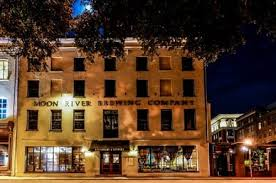
  In the heart of Savannah, Georgia, the Moon River Brewery stands as a beacon of history, craft beer, and, intriguingly, paranormal activity. This historic brewery, located at 21 West Bay Street, is not just known for its fine ales but also for its eerie reputation as one of Savannah’s most haunted locations. Here’s a deep dive into the intriguing story of the Moon River Brewery and what makes it a compelling destination for history buffs and ghost hunters alike.

A Storied History

The Moon River Brewery's building has a rich history that dates back to the early 19th century. Originally constructed in 1821, the structure was first known as the City Hotel. It served as a bustling hub of activity during Savannah’s early years and hosted many notable guests, including U.S. Presidents.

In the 1860s, the building transitioned from a hotel to a brewery, becoming one of the first establishments in Savannah to produce beer. The brewery was a successful venture for many years, playing a significant role in the city's economic and social life. Over time, however, it fell into disrepair and eventually closed.

In the late 1990s, the building was renovated and reopened as the Moon River Brewery, a craft brewery that pays homage to its historic roots. The new brewery quickly gained popularity for its unique beers and inviting atmosphere, but it also brought renewed attention to the building's eerie past.

Architectural Charm

The building's architecture reflects its long history and various uses. Its Greek Revival style is characterized by grand columns and a classic facade, while the interior boasts original wooden beams and vintage decor. The historic charm of the building enhances its atmospheric appeal, making it a fitting backdrop for the tales of ghostly encounters that have emerged over the years.

Paranormal Activity

Moon River Brewery’s reputation as a haunted location is well-earned. Staff and visitors have reported numerous paranormal occurrences, making it a popular spot for ghost tours and investigations. Here are some of the most frequently reported phenomena:

  • Mysterious Noises: Visitors and employees have reported hearing unexplained noises, such as footsteps, door slams, and murmurs, especially in the brewery’s upper floors.

  • Ghostly Apparitions: Some have claimed to see shadowy figures or apparitions moving through the building. These sightings are often described as fleeting glimpses or silhouettes that vanish when approached.

  • Unexplained Events: There have been reports of objects moving on their own, sudden drops in temperature, and electronic equipment malfunctioning without explanation.

One particularly well-known ghost is believed to be that of a former worker or a guest from the building’s hotel days. His presence is often felt in the brewery’s cellar and upper floors, where many of the reported activities have occurred.

Ghost Tours and Experiences

For those intrigued by the supernatural, the Moon River Brewery offers various ghost tours and paranormal experiences. These tours provide an opportunity to explore the building’s most haunted areas and learn more about its ghostly history. Experienced guides share stories of past encounters and offer insights into the building's rich history.

The brewery’s involvement in the local ghost tour circuit has made it a popular stop for those interested in exploring Savannah’s haunted past. Whether you're a seasoned ghost hunter or a curious visitor, these tours offer a unique way to experience the history and mystery of the Moon River Brewery.

Craft Beer and Culinary Delights

While the Moon River Brewery is famous for its haunted reputation, it’s also known for its excellent craft beers and delicious food. The brewery offers a variety of ales and lagers, many of which are brewed on-site. Visitors can enjoy classics like the Moon River Amber Ale or try seasonal and specialty brews.

The menu includes a selection of hearty pub fare, such as burgers, sandwiches, and appetizers. The combination of great food, quality beer, and the building’s historic ambiance makes the Moon River Brewery a favorite spot for both locals and tourists.

Visiting Moon River Brewery

If you’re planning a visit to Moon River Brewery, it’s a good idea to check their schedule for tours and special events. The brewery often hosts ghost tours, historical tours, and themed events that offer a chance to delve deeper into its haunted history.

Additionally, be sure to explore the brewery’s main offerings: enjoy a pint of their craft beer, savor a meal from their menu, and soak in the unique atmosphere of a building that has witnessed nearly two centuries of history.

Final Thoughts

Moon River Brewery in Savannah is a captivating destination where history and hauntings intertwine. Its rich past as a hotel and brewery, combined with its reputation as a haunted location, makes it a compelling stop for anyone interested in the supernatural or simply looking to enjoy a unique experience in Savannah.

New Orleans, USA

  New Orleans was founded in 1718 by French colonists and quickly grew into a crucial port city due to its strategic location along the Mississippi River. Over the centuries, it has been shaped by a variety of influences, including French, Spanish, Creole, and African cultures. This blend of traditions has created a unique cultural landscape that is distinctly New Orleans. The city was a part of French Louisiana until the United States acquired it through the Louisiana Purchase in 1803. Its history includes periods of Spanish rule, a vibrant antebellum era, and resilience through events like the Great New Orleans Fire of 1788 and Hurricane Katrina in 2005. Despite its challenges, New Orleans has maintained its cultural identity and charm.


The French Quarter: The Heart of New Orleans

The French Quarter, or Vieux Carré, is the oldest neighborhood in New Orleans and remains the most iconic. Its narrow streets are lined with historic buildings featuring intricate ironwork, lush courtyards, and vibrant facades. Key highlights include:

  • Bourbon Street: Famous for its lively nightlife, Bourbon Street is lined with bars, clubs, and restaurants. It’s a hub of activity, especially during Mardi Gras and other festivals.

  • Jackson Square: This historic park is surrounded by notable landmarks such as St. Louis Cathedral, the Cabildo, and the Presbytère. The square is a gathering place for street performers, artists, and tourists.

  • Royal Street: Known for its art galleries, antique shops, and elegant architecture, Royal Street offers a more refined experience compared to the bustling Bourbon Street.

Music and Culture: The Birthplace of Jazz

New Orleans is renowned as the birthplace of jazz, and its music scene is as diverse as the city itself. Key spots include:

  • Frenchmen Street: A hub for live music, Frenchmen Street features a range of venues from intimate jazz clubs to vibrant bars. Places like The Spotted Cat Music Club and Blue Nile are local favorites.

  • Preservation Hall: This historic venue offers an authentic jazz experience, with performances by some of the city’s most talented musicians. It’s a must-visit for jazz enthusiasts.

  • New Orleans Jazz & Heritage Festival: Held annually, this festival celebrates the city’s rich musical heritage and features a wide array of artists from jazz and blues to rock and soul.

Culinary Delights: A Feast for the Senses

New Orleans is a food lover’s paradise, known for its unique Creole and Cajun cuisine. Must-try dishes include:

  • Beignets: These deep-fried pastries, covered in powdered sugar, are a quintessential New Orleans treat. Café du Monde is the most famous spot to enjoy them.

  • Gumbo: A hearty stew with origins in Louisiana, gumbo is typically made with seafood, sausage, and a flavorful broth. Try it at Commander’s Palace or Cochon.

  • Jambalaya: This rice dish is a flavorful mix of meat, seafood, and vegetables, seasoned with a blend of spices. It’s a staple of Creole cuisine.

  • Po’boys: These delicious sandwiches are made with French bread and filled with fried seafood, roast beef, or other savory ingredients. Parkway Bakery & Tavern is a popular choice.

Architecture: A Blend of Styles

New Orleans boasts a diverse architectural landscape that reflects its complex history. Highlights include:

  • Creole Cottages: These charming, one-story homes often feature steeply pitched roofs and wide verandas. They are a hallmark of early New Orleans architecture.

  • Shotgun Houses: Characterized by their narrow, elongated layout, shotgun houses are a distinctive architectural style in the city.

  • Plantation Homes: The surrounding region is dotted with historic plantation homes that offer a glimpse into the antebellum South. Many of these homes are open for tours, such as Oak Alley Plantation and Laura Plantation.

Festivals and Events: Celebrating with Flair

New Orleans is famous for its vibrant festivals and events, including:

  • Mardi Gras: The most famous celebration in New Orleans, Mardi Gras is a season of parades, masquerade balls, and street parties that culminate on Fat Tuesday. The city’s colorful floats and elaborate costumes are a sight to behold.

  • Voodoo Music + Arts Experience: This annual festival combines music, art, and the city’s unique cultural heritage into a lively event held in City Park.

  • Cajun Zydeco Festival: Celebrating the music and culture of Cajun and Zydeco communities, this festival features live performances, dancing, and local cuisine.

The Spirit of New Orleans: Resilience and Community

Perhaps the most defining characteristic of New Orleans is its spirit. The city has faced numerous challenges, from natural disasters to economic hardships, but its residents have consistently demonstrated resilience and a deep sense of community. This indomitable spirit is reflected in the city's lively festivals, its rich cultural traditions, and its warm hospitality.

Final Thoughts

New Orleans is a city of contrasts, where historical grandeur meets vibrant modernity, and diverse cultures blend seamlessly. Whether you’re drawn by its historic neighborhoods, its world-famous cuisine, or its lively music scene, New Orleans offers an experience that is as rich and complex as the city itself.

Ohio State Reformatory, USA

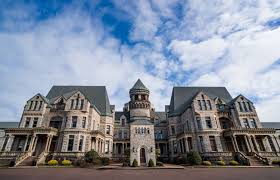
 The Ohio State Reformatory, commonly known as the Mansfield Reformatory, was originally designed as a progressive institution aimed at reforming young offenders. Construction began in 1886, and the reformatory opened its doors in 1896. Designed by architect Levi T. Scofield, the building is a striking example of Romanesque Revival architecture, characterized by its towering spires, intricate stonework, and grand, imposing fade. The reformatory was intended to be a model facility, with a focus on rehabilitation rather than mere punishment. Its expansive design included a central administration building, a large cell block, and various support structures, all designed to house and reform juvenile offenders. Over the years, the facility grew to accommodate a broader range of prisoners, and its purpose evolved to focus more on incarceration than rehabilitation.


The Era of Incarceration

Throughout the 20th century, the Ohio State Reformatory became notorious for its harsh conditions and overcrowded facilities. By the mid-1900s, the prison was struggling with significant issues, including inadequate medical care, poor living conditions, and frequent riots. These problems, combined with the facility's outdated infrastructure, contributed to a growing reputation for being a grim and challenging place to serve time.

The reformatory was officially closed in 1990, after decades of serving as a maximum-security prison. Following its closure, the site faced numerous challenges, including vandalism and decay. However, it was later preserved and repurposed as a historical site and tourist attraction, offering visitors a chance to explore its storied past.

Architectural Grandeur

One of the most striking features of the Ohio State Reformatory is its architecture. The building’s Gothic Revival style, complete with towering turrets and elaborate stone carvings, makes it a standout example of late 19th-century institutional design. The central cell block, often referred to as the "Old Building," is particularly impressive, with its massive iron bars and intricate design.

The reformatory’s design was intended to convey a sense of grandeur and authority, and it remains an architectural marvel. The building’s layout, including its expansive cell blocks and imposing administration wing, reflects the era’s approach to penal architecture and its emphasis on both control and reform.

The Haunting Mystique

Beyond its architectural and historical significance, the Ohio State Reformatory is renowned for its reputation as a haunted location. Numerous reports of paranormal activity have been documented over the years, making the site a popular destination for ghost hunters and those interested in the supernatural.

Visitors and staff have reported a wide range of eerie occurrences, including unexplained noises, disembodied voices, and shadowy figures. The reformatory’s dark history, combined with its vast and labyrinthine structure, has contributed to its status as a hotspot for ghostly encounters. The site has been featured on various paranormal investigation shows and continues to attract those seeking a brush with the supernatural.

Visiting the Ohio State Reformatory

Today, the Ohio State Reformatory offers a range of tours and events for visitors. Guided tours provide insights into the facility’s history, architecture, and the stories of those who once lived and worked there. Special tours, including night tours and ghost hunts, offer a chance to explore the reformatory after dark and experience its eerie atmosphere firsthand.

The site also hosts various events throughout the year, including historical reenactments, educational programs, and fundraising activities. These events help preserve the reformatory’s history and provide opportunities for the public to engage with its past.

Final Thoughts

The Ohio State Reformatory in Mansfield is more than just a historic prison; it’s a monument to a bygone era of penal reform, a masterpiece of Gothic architecture, and a beacon for those intrigued by the paranormal. Its storied past and haunting allure make it a compelling destination for anyone interested in exploring the intersections of history, architecture, and the supernatural.

Wednesday, September 4, 2024

Savannah, Georgia, USA

 Savannah’s history is as rich and varied as its architectural styles. Founded in 1733, the city is one of the oldest in the United States. Its historic district, one of the largest in the nation, is a treasure trove of colonial and antebellum architecture. Stroll down Bull Street to admire the iconic squares—twenty-two of them in total—that dot the city, each offering its own unique charm and historical significance.

Ghosts and Hauntings

Savannah is often hailed as one of America’s most haunted cities, and for good reason. The city’s rich history and deep-rooted traditions in the occult and supernatural make it a hotspot for ghost enthusiasts. The Hammond House and the Pirate’s House are just a few of the numerous sites where ghostly legends are said to linger. Whether you’re a skeptic or a true believer, a ghost tour through Savannah’s eerie streets can provide both chills and fascinating insights into the city's past.

Culinary Delights

No visit to Savannah is complete without indulging in its culinary delights. The city’s dining scene reflects its Southern roots and multicultural influences. Savor classic Southern dishes like shrimp and grits, fried chicken, and collard greens at renowned spots such as The Olde Pink House or Mrs. Wilkes' Dining Room. For a taste of something a bit different, check out the vibrant restaurant scene along River Street and Broughton Street, where you'll find everything from upscale eateries to cozy cafes.

Cultural and Artistic Flourishes

Savannah’s arts scene is as vibrant as its history. The Savannah College of Art and Design (SCAD) has infused the city with a dynamic creative energy, hosting numerous galleries, exhibitions, and public art installations. The Telfair Museums, which include the Telfair Academy and the Jepson Center, offer an impressive collection of American art and historical artifacts.

Coastal Beauty and Outdoor Adventures

Beyond its historic and cultural allure, Savannah’s natural beauty is equally captivating. The city’s proximity to the Atlantic Ocean means that beautiful coastal landscapes are just a short drive away. Explore the serene beaches of Tybee Island, where you can enjoy sunbathing, fishing, and dolphin-watching. Alternatively, take a kayak tour through the salt marshes or go hiking in the nearby Oatland Island Wildlife Center.

Southern Hospitality and Charm

Perhaps what sets Savannah apart most of all is its warm Southern hospitality. The city’s residents are known for their friendliness and welcoming nature, which makes visitors feel right at home. Whether you’re enjoying a quiet moment in a historic square or engaging in lively conversation with a local shopkeeper, Savannah’s charm is in the people who make it come alive.

Final Thoughts

Savannah, Georgia, is a city that effortlessly combines historical grandeur with modern vibrancy. Its rich tapestry of history, culture, and Southern charm offers something for every traveler. Whether you’re wandering through its historic streets, savoring its culinary delights, or simply soaking in its beauty, Savannah invites you to experience its unique magic.

As you plan your visit to this enchanting city, remember that Savannah isn’t just a place you see—it’s a place you feel. The blend of history, culture, and hospitality creates an unforgettable experience that will linger long after you’ve left its picturesque streets.

Sunday, July 14, 2024

Horror Places in USA

  If you're interested in exploring spooky or eerie places in the USA, there are several locations known for their haunted histories or paranormal activity. Here are a few notable ones:


  1. Eastern State Penitentiary (Philadelphia, Pennsylvania): A former prison known for its harsh conditions and reports of paranormal activity. It offers guided tours that delve into its eerie past.

  2. The Stanley Hotel (Estes Park, Colorado): This historic hotel inspired Stephen King's novel "The Shining." It's reputed to be haunted, and ghost tours are available for those looking to explore its eerie corridors.

  3. Alcatraz Island (San Francisco, California): The infamous former federal prison is believed to be haunted by former inmates. Night tours offer a chance to explore its dark history and reported ghost sightings.

  4. Winchester Mystery House (San Jose, California): A sprawling mansion known for its confusing layout and staircases that lead nowhere, believed to be haunted by the ghosts of those killed by Winchester rifles.

  5. The Myrtles Plantation (St. Francisville, Louisiana): An antebellum plantation with a reputation for being one of America's most haunted homes, offering ghost tours and overnight stays.

  6. The Bell Witch Cave (Adams, Tennessee): Associated with the Bell Witch legend, this cave is said to be haunted by the spirit of Kate Batts, who tormented the Bell family in the early 19th century.

  7. Waverly Hills Sanatorium (Louisville, Kentucky): A former tuberculosis hospital with a dark history, known for its alleged paranormal activity and ghost tours.

  8. The Lizzie Borden House (Fall River, Massachusetts): The site of the infamous 1892 murders of Andrew and Abby Borden, now a bed and breakfast where guests can stay overnight and explore its eerie past.

  9. Gettysburg Battlefield (Gettysburg, Pennsylvania): The site of one of the bloodiest battles of the Civil War, believed to be haunted by the spirits of soldiers who lost their lives there.

  10. Salem, Massachusetts: Known for the Salem Witch Trials of 1692, Salem offers haunted tours and museums exploring its dark history of witchcraft accusations and executions.

These places attract visitors interested in paranormal phenomena, history, and spooky experiences, offering a glimpse into America's haunted past.