Pages

Tag for Google

Showing posts with label best places to visit. Show all posts

Friday, November 22, 2024

Swat Valley for Your Honeymoon

  Swat Valley

1. Stunning Scenery

Swat Valley is renowned for its picturesque landscapes. From the pristine waters of the Swat River to the lush meadows of Malam Jabba and the serene beauty of Kalam Valley, every corner of Swat offers a backdrop perfect for romantic photos and quiet moments together.

2. Pleasant Climate

The valley enjoys a temperate climate, particularly in the summer months, making it an ideal escape from the heat. The cool breezes and breathtaking views create an inviting atmosphere for couples looking to unwind and connect.

3. Rich Culture and History

Immerse yourselves in the local culture by visiting ancient Buddhist stupas and exploring the region’s rich history. Don’t miss the chance to experience the vibrant traditions of the Pashtun people, including their music, dance, and cuisine.

4. Adventure Awaits

Swat Valley is a haven for adventure lovers. Whether you want to go trekking in the picturesque Kalam Valley, take a jeep ride to the stunning Mahodand Lake, or try your hand at paragliding, the options for adventure are plentiful. These experiences can create lasting memories and deepen your bond as a couple.

5. Charming Accommodations

From luxurious resorts to cozy guesthouses, Swat offers a variety of accommodations to suit your preferences. Consider staying at the luxurious Swat Serena Hotel, which offers stunning views and modern amenities, or a quaint guesthouse for a more intimate experience.

Best Time to Visit

The ideal time to visit Swat Valley is from April to October. Spring brings blooming flowers, summer offers pleasant weather, and autumn showcases stunning fall colors, providing a picturesque backdrop for your honeymoon.

Travel Tips for Your Honeymoon in Swat

  1. Plan Your Itinerary: Include must-visit spots like Mingora, Saidu Sharif, and the beautiful Malam Jabba.

  2. Pack Accordingly: Bring layers to stay comfortable, as temperatures can vary throughout the day.

  3. Stay Connected: While mobile signals are available in most areas, consider purchasing a local SIM card for better connectivity.

  4. Respect Local Customs: Embrace the local culture by dressing modestly and being respectful of traditions.

  5. Capture the Moments: Don’t forget your camera! The stunning landscapes and vibrant culture provide countless opportunities for beautiful photos.

Conclusion

Swat Valley is a hidden gem that offers couples a romantic escape filled with adventure, natural beauty, and rich cultural experiences. Whether you’re exploring the stunning landscapes, indulging in local delicacies, or simply enjoying each other’s company, your honeymoon in Swat will be a memorable journey.


Tuesday, November 12, 2024

Murree for Your Honeymoon

  Murree


1. Stunning Natural Beauty

Murree is famous for its breathtaking scenery, featuring dense pine forests, rolling hills, and stunning viewpoints like Pindi Point and Kashmir Point. Take leisurely walks hand-in-hand while soaking in the serene landscapes that create a romantic atmosphere.

2. Pleasant Weather

Known for its cool climate, Murree offers a refreshing escape from the heat, especially during the summer months. The crisp mountain air is perfect for cozy evenings and long, leisurely strolls.

3. Charming Accommodations

Murree boasts a range of accommodations, from cozy guesthouses to luxurious hotels. Consider staying at the historic Murree Regency or the scenic Shangrila Resort, where you can enjoy beautiful views and top-notch amenities.

4. Local Culture and Cuisine

Explore the local culture by visiting vibrant bazaars and indulging in delicious Pakistani cuisine. Don’t miss out on trying local specialties like “Samosas” and “Chaat” at roadside stalls. Enjoying a romantic dinner at a local restaurant adds a special touch to your honeymoon.

5. Adventure and Activities

Murree offers plenty of activities for adventurous couples. Take a chairlift ride to Patriata (New Murree) for panoramic views, or enjoy hiking in the surrounding hills. For a unique experience, consider a day trip to nearby Nathiagali, known for its hiking trails and stunning scenery.

Best Time to Visit

The best time to visit Murree is from April to September, when the weather is pleasant and ideal for outdoor activities. Winter months also attract visitors for snowfall, adding a magical touch to your honeymoon.

Travel Tips for Your Honeymoon in Murree

  1. Plan Your Itinerary: Include must-visit spots like Mall Road, Ayubia National Park, and the scenic Mukshpuri trek.

  2. Dress in Layers: The weather can be unpredictable, so pack layers to stay comfortable throughout the day.

  3. Capture the Moments: Bring a camera to document your adventures and the stunning landscapes.

  4. Stay Hydrated: Drink plenty of water, especially if you’re engaging in outdoor activities.

  5. Respect Local Customs: Embrace the local culture and be respectful of traditions, enhancing your overall experience.

Conclusion

Murree offers the perfect blend of romance, adventure, and natural beauty for a memorable honeymoon. Whether you’re exploring its lush landscapes, indulging in local cuisine, or simply enjoying each other’s company, Murree provides an enchanting setting for your love story.

Beba (Montreal, QC)

 Beba is not just a restaurant; it’s a celebration of culinary heritage. Inspired by the Latin roots of its chefs, the menu features a delightful fusion of traditional recipes and modern techniques. Each dish tells a story, bringing together ingredients that reflect the diverse cultures of Latin America.


Highlights of the Menu

  • Small Plates: Perfect for sharing, the small plates are designed to be enjoyed in a communal setting. Dishes like empanadasceviche, and tacos are bursting with flavor and creativity.
  • Seasonal Specialties: The menu evolves with the seasons, allowing guests to enjoy fresh, locally sourced ingredients. Be sure to ask about the seasonal offerings when you visit!
  • Signature Cocktails: Beba’s cocktail menu is as exciting as its food. Featuring a range of craft cocktails infused with Latin flavors, the drinks are a perfect complement to the vibrant dishes.

The Ambiance

Stepping into Beba is like entering a lively celebration. The decor is a blend of modern chic and cozy charm, creating an inviting atmosphere perfect for gatherings with friends or romantic dinners. The open kitchen design allows diners to see the chefs at work, enhancing the overall dining experience.

Commitment to Sustainability

Beba is dedicated to sustainability, sourcing ingredients from local farms and producers whenever possible. This commitment not only supports the community but also ensures that every dish is made with the freshest ingredients, enhancing the overall flavor and quality.

Events and Community Engagement

Beba often hosts special events, including themed nights, wine tastings, and cooking classes, inviting the community to engage with the culinary arts. Keep an eye on their social media for updates on upcoming events that celebrate culture, food, and creativity.

Location and Accessibility

Conveniently located in Montreal, Beba is easily accessible for both locals and visitors. Whether you’re exploring the city or looking for a new favorite spot, Beba is a great addition to your culinary itinerary.

Conclusion

Beba is more than just a restaurant; it’s a vibrant culinary experience that embodies the spirit of Latin cuisine. With its innovative dishes, lively ambiance, and commitment to sustainability, it’s no wonder that Beba has captured the hearts of Montrealers and visitors alike.

Saturday, November 9, 2024

Langdon Hall, USA

  Langdon Hall was built in 1898 by the prominent entrepreneur and philanthropist, William Langdon, who envisioned a retreat that reflected the beauty of the surrounding countryside. Originally a family estate, the property has undergone various transformations over the years. In the late 1980s, it was converted into a luxury hotel, preserving its historic charm while offering modern amenities.


The estate features a blend of English and Canadian architectural styles, characterized by its grand stone façade, ornate woodwork, and expansive gardens. As a designated heritage site, Langdon Hall continues to captivate visitors with its historical significance and beauty.

Luxurious Accommodations

Langdon Hall offers a range of luxurious accommodations, each designed to provide comfort and tranquility. The hotel features 60 beautifully appointed guest rooms and suites, each uniquely decorated with elegant furnishings and modern conveniences. Guests can choose from options like:

  • Garden Rooms: These cozy accommodations feature private terraces overlooking the gardens.
  • Deluxe Suites: Spacious and inviting, perfect for a romantic getaway.
  • Heritage Rooms: Preserving the historical essence of Langdon Hall, these rooms offer a glimpse into the estate's storied past.

All rooms come equipped with plush bedding, modern bathrooms, and complimentary amenities, ensuring a restful stay.

Exquisite Dining

Langdon Hall is home to an award-winning restaurant that showcases the best of local and seasonal cuisine. Under the guidance of talented chefs, the dining experience here is truly exceptional. The restaurant emphasizes farm-to-table principles, sourcing ingredients from local farms and their own gardens.

Highlights of the Dining Experience:

  • Tasting Menus: Guests can indulge in carefully curated tasting menus that change with the seasons, allowing diners to savor a variety of flavors and textures.
  • Wine Pairings: The restaurant boasts an extensive wine list featuring selections from renowned vineyards, perfectly paired to enhance each dish.
  • Afternoon Tea: For a delightful treat, guests can enjoy traditional afternoon tea, complete with artisanal pastries, finger sandwiches, and a selection of fine teas.

Enchanting Gardens and Grounds

The estate’s grounds are a major attraction in their own right. The beautifully manicured gardens feature a mix of formal landscaping and natural woodlands, providing a peaceful backdrop for leisurely strolls. Highlights include:

  • Herb and Vegetable Gardens: Explore the vibrant gardens that supply the restaurant with fresh produce.
  • Walking Trails: Enjoy miles of picturesque walking trails that wind through the property’s lush landscapes.
  • Seasonal Events: Langdon Hall often hosts seasonal events, including garden tours, workshops, and outdoor dining experiences, making it a vibrant hub for visitors year-round.

Activities and Nearby Attractions

While Langdon Hall offers a serene retreat, there are plenty of activities nearby for those looking to explore Cambridge and its surroundings:

  • Cambridge Butterfly Conservatory: Just a short drive away, this beautiful conservatory is home to thousands of butterflies and a variety of tropical plants.
  • Grand River: Perfect for canoeing, kayaking, or simply enjoying a riverside picnic, the Grand River is a scenic spot for outdoor enthusiasts.
  • Historic Downtown Cambridge: Explore the charming streets filled with boutique shops, cafes, and historic sites, perfect for a leisurely afternoon.

Conclusion

Langdon Hall in Cambridge, Ontario, is more than just a hotel; it’s a destination that embodies luxury, history, and natural beauty. Whether you’re looking to unwind in elegant accommodations, savor exquisite cuisine, or explore the surrounding landscapes, Langdon Hall offers a unique experience that caters to every type of traveler. 

Restaurant Pearl Morissette (Jordan Station, ON), USA

  Nestled in the picturesque Niagara region of Ontario, Restaurant Pearl Morissette offers a unique dining experience that highlights the best of local ingredients and innovative cuisine. Renowned for its intimate atmosphere and commitment to quality, this restaurant has become a culinary destination for food lovers and wine enthusiasts alike.


Founded by Chef Pearl Morissette, the restaurant emphasizes a farm-to-table philosophy, focusing on seasonal produce sourced from local farms. With an emphasis on sustainability and artisanal techniques, Pearl Morissette celebrates the rich agricultural heritage of the Niagara region, creating dishes that are both creative and deeply rooted in the land.

The setting of Pearl Morissette is both elegant and cozy, featuring a modern design that blends seamlessly with the natural surroundings. Large windows provide stunning views of the vineyards and gardens, creating a serene backdrop for your dining experience. The intimate dining room ensures that every guest feels special and well cared for.

The menu at Restaurant Pearl Morissette is a reflection of the seasons, with a focus on fresh, high-quality ingredients. The culinary team crafts a variety of dishes that showcase local flavors and innovative techniques.

Highlights

  • Tasting Menus: Pearl Morissette often features a multi-course tasting menu, allowing guests to experience a range of flavors and textures in a single meal. The menu changes regularly to reflect the best seasonal offerings.
  • Vegetarian and Vegan Options: The restaurant is committed to accommodating different dietary preferences, often incorporating plant-based dishes that highlight the richness of local produce.

Notable Dishes

While the menu evolves, some standout dishes have captured diners' hearts:

  • House-Made Pastas: Often prepared with seasonal ingredients and paired with rich, flavorful sauces.
  • Local Game and Seafood: Carefully sourced meats and fresh fish, expertly cooked to enhance their natural flavors.
  • Artisanal Desserts: Featuring seasonal fruits and creative presentations, each dessert is a fitting conclusion to the meal.

Pearl Morissette boasts an impressive wine list, with a strong focus on local wines from the Niagara region. The knowledgeable staff can assist diners in selecting the perfect pairings for their meals, enhancing the overall dining experience.

  • Make Reservations: Due to its popularity, particularly during weekends and peak seasons, it’s advisable to book in advance.
  • Dress Code: The atmosphere is upscale yet relaxed, making smart casual attire appropriate for dining.
  • Explore the Area: Jordan Station is surrounded by beautiful vineyards and wineries, making it a great opportunity to explore the local wine culture before or after your meal.

Conclusion

Restaurant Pearl Morissette is a true gem in the Niagara region, offering a dining experience that celebrates local ingredients and innovative culinary techniques. With its beautiful setting, exceptional food, and attentive service, it promises to create lasting memories for every guest.

Wednesday, November 6, 2024

Alo (Toronto, ON)

  Alo is a distinguished fine dining restaurant located in the heart of Toronto, known for its exquisite cuisine, exceptional service, and a commitment to creating unforgettable dining experiences. Since its opening, Alo has garnered numerous accolades, including recognition as one of Canada’s top restaurants, making it a must-visit for food enthusiasts.


Alo, founded by Chef Patrick Kriss, focuses on contemporary French cuisine with an emphasis on seasonal and locally sourced ingredients. The restaurant’s name, which means "hello" in French, reflects its inviting atmosphere and the warm welcome guests receive upon arrival. Alo is renowned for its meticulous attention to detail and innovative approach to classic dishes.

The interior of Alo is both elegant and modern, featuring a sleek design that combines minimalism with sophistication. The dining room is adorned with soft lighting and warm wooden accents, creating an intimate and inviting ambiance. With only a limited number of tables, Alo ensures that each guest receives personalized attention, enhancing the overall dining experience.

Alo’s menu is centered around a carefully curated tasting menu that showcases the best of seasonal ingredients. Each dish is thoughtfully crafted, reflecting the artistry and creativity of Chef Kriss and his team.

Highlights

  • Tasting Menu: The hallmark of the Alo experience is its multi-course tasting menu, which evolves with the seasons. Guests can expect a variety of flavors and textures, beautifully presented.
  • Signature Dishes: While the menu changes frequently, some signature offerings have become favorites, including dishes that feature seafood, house-made pastas, and seasonal vegetables.

Notable Dishes

While the specific offerings may change, guests have raved about:

  • Sea Bass with Seasonal Accompaniments: Light and flavorful, highlighting the freshness of the fish.
  • Truffle Risotto: Creamy and rich, often enhanced with foraged truffles during the season.
  • Desserts: Each dessert is a work of art, often featuring local fruits and artisanal ingredients that provide a delightful finish to the meal.

Alo features an extensive wine list that complements the tasting menu, showcasing selections from renowned wineries around the world, with a focus on natural and organic wines. The knowledgeable sommeliers are on hand to assist diners in selecting the perfect pairings for their meals.

  • Book in Advance: Due to its popularity, reservations are essential, especially for weekends. It's advisable to book several weeks in advance.
  • Dress Code: Alo maintains an upscale yet relaxed dress code, so smart casual attire is appropriate.
  • Consider Dietary Preferences: When making a reservation, inform the staff of any dietary restrictions or preferences to ensure a tailored experience.

Conclusion

Alo is more than just a restaurant; it’s a culinary journey that delights the senses and showcases the best of Toronto’s dining scene. With its emphasis on seasonal ingredients, creative presentations, and exceptional service, Alo offers an unparalleled dining experience. 

Mon Lapin (Montreal, QC)

  Nestled in the vibrant neighborhood of Little Italy, Mon Lapin is a beloved culinary destination in Montreal, known for its warm atmosphere and exceptional farm-to-table dining experience. With a focus on seasonal ingredients and a creative approach to classic dishes, this restaurant has captured the hearts of locals and visitors alike. Here’s everything you need to know about Mon Lapin.


Mon Lapin, which translates to "My Rabbit" in French, is a cozy restaurant that emphasizes a connection to the land and the community. Opened by the talented team behind Joe Beef and Liverpool House, Mon Lapin showcases the best of Quebec’s produce, meats, and artisanal products, crafting dishes that reflect the rich culinary heritage of the region.

Mon Lapin features a warm and inviting atmosphere with rustic decor that combines wood accents, soft lighting, and an open kitchen where diners can see the culinary team at work. The intimate setting makes it perfect for both casual dinners and special occasions. With a friendly and knowledgeable staff, guests can expect attentive service that enhances the overall dining experienc

Mon Lapin's menu is a celebration of seasonal ingredients, with a focus on freshness and creativity. The offerings change frequently to reflect what’s available from local farms and markets. Some highlights include:

  • Charcuterie and Cheeses: A selection of local meats and artisanal cheeses that showcases the best of Quebec’s culinary traditions.
  • Vegetable Dishes: Innovative preparations that elevate seasonal vegetables, often featuring unique flavor combinations and techniques.
  • Pasta and Grains: House-made pastas and grain dishes that highlight the quality of local ingredients, often accompanied by rich sauces and garnishes.
  • Meat Dishes: Roasted or braised meats, prepared with care to enhance their natural flavors, often paired with delicious sides.

Notable Dishes

While the menu evolves, some signature dishes have become favorites among regulars. Be sure to try:

  • Rabbit Ragu: A rich and flavorful dish that reflects the restaurant's name and commitment to using local meats.
  • Seasonal Salads: Fresh, vibrant salads featuring the best produce available.
  • Homemade Desserts: Don’t miss the dessert offerings, which are often crafted from seasonal fruits and local ingredients.

Mon Lapin boasts an impressive selection of wines, with a focus on natural and organic options. The carefully curated wine list complements the menu, offering a range of choices from Quebec and beyond. Cocktails crafted with fresh ingredients are also available, providing refreshing pairings for your meal.

  • Reservations Recommended: Given its popularity, especially during peak dining times, it’s advisable to make a reservation in advance.
  • Dress Code: The atmosphere is casual yet chic, so feel free to dress comfortably while still looking polished.
  • Explore the Neighborhood: Little Italy is rich in culture and history, so take some time to explore local cafés, bakeries, and the beautiful Church of the Madonna della Difesa nearby.

Conclusion

Mon Lapin is more than just a restaurant; it’s a celebration of local flavors and community. With its focus on seasonal ingredients, creative dishes, and a warm atmosphere, it offers a memorable dining experience in the heart of Montreal. 

Sunday, November 3, 2024

Nahanni

  Nahanni National Park Reserve, located in the Northwest Territories of Canada, is a breathtaking expanse of rugged wilderness that captivates adventurers and nature lovers alike. Renowned for its stunning landscapes, rich biodiversity, and deep cultural significance, Nahanni is a UNESCO World Heritage Site that offers an unparalleled experience for those seeking the beauty of the Canadian wilderness.


Established in 1976, Nahanni National Park was one of the first national parks in Canada. It is named after the Nahanni River, which flows through the park and has been a site of Indigenous significance for thousands of years. The Dene people have lived in the area for generations, and their cultural heritage is an integral part of the park's identity. The park was designated a UNESCO World Heritage Site in 1978, recognized for its outstanding natural beauty and geological significance.

Nahanni National Park is remote and primarily accessible by air or river. Most visitors arrive via charter flights from Fort Simpson or by taking guided river tours that begin in nearby towns. The Nahanni River is the main access route, making canoeing and rafting popular ways to explore the park.

1. River Adventures

The Nahanni River is the centerpiece of the park, offering thrilling white-water rafting and canoeing opportunities. Adventurers can embark on multi-day river trips, navigating through stunning canyons, waterfalls, and hot springs. Popular routes include:

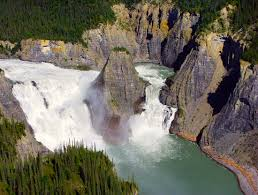
  • Virginia Falls: One of the most impressive waterfalls in North America, it drops 90 meters (300 feet) into the Nahanni River. The area around the falls is perfect for hiking and photography.
  • The South Nahanni River: A UNESCO-designated waterway that provides breathtaking views and exciting rapids, ideal for both experienced and novice paddlers.

2. Hiking and Exploration

Nahanni offers numerous hiking opportunities for those looking to explore its stunning landscapes on foot:

  • Liard Hot Springs: A short hike leads to these natural hot springs, providing a relaxing way to unwind after a day of adventure.
  • Rabbitkettle Hotsprings: A unique geothermal area featuring fascinating formations and a chance to explore the surrounding wilderness.

3. Wildlife Viewing

The park is home to diverse wildlife, making it a haven for nature enthusiasts:

  • Bighorn Sheep: Often seen on rocky slopes and cliffs.
  • Moose and Caribou: Frequently spotted in the park’s forests and meadows.
  • Birdwatching: The park is home to various bird species, including eagles, hawks, and songbirds.

4. Camping and Accommodations

While the park has limited infrastructure, visitors can find designated camping areas along the river and in more remote locations. For those seeking comfort, guided tours often include accommodations in tents or campsites along the river.

5. Cultural Experiences

Engage with the rich Indigenous history of the area through guided tours led by local Dene guides. Learn about traditional practices, stories, and the significance of the land to Indigenous peoples.

  • Plan Ahead: Given its remote location, planning your trip in advance is essential. Check river conditions, weather forecasts, and available tours.
  • Be Prepared: Pack essential gear, including camping equipment, food, water, and safety gear for river activities.
  • Respect Wildlife: Maintain a safe distance from animals and follow park guidelines to protect both wildlife and yourself.
  • Leave No Trace: Follow conservation principles to minimize your impact on this pristine wilderness.

Conclusion

Nahanni National Park is a true wilderness wonder that offers a unique blend of adventure, beauty, and cultural significance. Whether you’re rafting down the Nahanni River, hiking to stunning viewpoints, or soaking in natural hot springs, this remote park promises an unforgettable experience.

Fort George National Historic Site

  Fort George National Historic Site, located in Niagara-on-the-Lake, Ontario, is a significant historical landmark that offers a fascinating look into Canada’s military past. Established during the War of 1812, this fort played a crucial role in the defense of British North America. Today, it serves as a popular destination for history enthusiasts and families, providing a unique educational experience amid beautiful surroundings.


Fort George was constructed between 1800 and 1803 as a key military installation for the British forces. It served as the headquarters for the British Army during the War of 1812 and witnessed several significant battles, including the capture by American forces in 1813. After the war, the fort was abandoned and fell into disrepair, but it was later restored and designated a national historic site in 1921.

Fort George is conveniently located in Niagara-on-the-Lake, just a short drive from Niagara Falls and approximately 30 kilometers (18 miles) from St. Catharines. The site is easily accessible via the Queen Elizabeth Way (QEW) and is well-signposted for visitors.

1. Guided Tours and Interpretive Programs

Fort George offers guided tours led by knowledgeable interpreters in period uniforms, providing insights into the fort’s history, architecture, and military life in the 19th century. These interactive programs are engaging for all ages and often include demonstrations of historical weaponry and drills.

2. Exploring the Fortifications

Visitors can wander through the fort’s reconstructed buildings, including the barracks, officers' quarters, and the powder magazine. The fort’s layout and structure reflect the military engineering of the time, offering a glimpse into life for soldiers stationed there.

3. Special Events and Reenactments

Throughout the summer months, Fort George hosts various special events and reenactments, including military drills, cannon firing demonstrations, and historical storytelling. These events bring history to life and are perfect for families looking for interactive experiences.

4. Scenic Views and Picnicking

The fort is situated on a hill overlooking the Niagara River, providing stunning views of the surrounding landscape. Visitors can enjoy a picnic on the grounds, taking in the natural beauty and historical ambiance.

5. Visitor Center and Exhibits


Saturday, November 2, 2024

Kluane National Park, USA

  Kluane National Park and Reserve, located in the southwestern corner of the Yukon, Canada, is a stunning expanse of wilderness that boasts breathtaking landscapes, diverse wildlife, and rich Indigenous culture. Spanning over 22,000 square kilometers, this UNESCO World Heritage Site is home to North America’s highest peak, Mount Logan, and offers countless adventures for nature enthusiasts and thrill-seekers alike.


Kluane National Park was established in 1976 to protect the stunning scenery and ecological diversity of the region. The area has deep cultural significance for the Kluane First Nation and other Indigenous peoples, who have lived in harmony with this land for thousands of years. The park’s name comes from the Southern Tutchone word "Kluane," meaning "small lake," reflecting the region’s abundant water bodies.

Kluane National Park is accessible via the Alaska Highway (Highway 1), approximately 160 kilometers (100 miles) from Whitehorse, the capital of Yukon. The park entrance is near Haines Junction, where visitors can find visitor centers with helpful information about the area.

Hiking and Trails

Kluane offers a variety of hiking trails, ranging from easy walks to challenging backcountry treks. Some highlights include:

  • The Donjek Route: A challenging multi-day hike that takes you through pristine wilderness and offers breathtaking views of glaciers and mountains.
  • Mayo Lake Trail: A more accessible trail that meanders through beautiful landscapes and offers opportunities for birdwatching.
  • King’s Throne Trail: A moderately difficult hike leading to a stunning viewpoint of Kathleen Lake and the surrounding peaks.

Wildlife Viewing

Kluane is teeming with wildlife. Keep an eye out for:

  • Grizzly Bears: Often spotted foraging for berries and fish in the summer.
  • Dall Sheep: These agile animals can be seen on the rocky cliffs.
  • Moose: Commonly found in the park's wetlands and forested areas.
  • Birds: A haven for birdwatchers, the park is home to species such as bald eagles, peregrine falcons, and many more.

Glacial Adventures

The park is renowned for its glaciers, including the Kaskawulsh Glacier. Adventurous visitors can explore these icy giants through guided glacier tours, ice climbing, or even helicopter tours that provide stunning aerial views of the expansive icefields.

Canoeing and Kayaking

The pristine lakes and rivers in Kluane National Park offer excellent opportunities for canoeing and kayaking. Kathleen Lake is a popular spot, providing calm waters and spectacular scenery. Paddling in this serene environment allows visitors to connect with nature while enjoying the stunning mountain backdrop.

Camping

For those looking to fully immerse themselves in the wilderness, camping is a great option. The park features several campgrounds, including the Kathleen Lake Campground, which offers basic amenities and easy access to hiking trails and water activities.

Cultural Experiences

Engage with the rich Indigenous culture of the region through interpretive programs and guided tours led by the Kluane First Nation. Learn about traditional practices, stories, and the significance of the land to the Indigenous peoples of the area.

Conservation and Preservation

Kluane National Park plays a crucial role in conserving the unique ecosystems of the Yukon. The park’s diverse habitats support various species, and ongoing conservation efforts help protect these vulnerable environments. Visitors are encouraged to follow Leave No Trace principles to minimize their impact and help preserve this pristine wilderness for future generations.

  • Plan Ahead: Check for trail conditions, weather forecasts, and park updates before your visit.
  • Be Prepared: Pack adequate clothing for variable weather, plenty of food, water, and emergency supplies.
  • Respect Wildlife: Maintain a safe distance from all animals and adhere to park regulations to ensure both your safety and the wildlife’s well-being.
  • Stay Informed: Visit the park's visitor center for maps, educational resources, and recommendations on activities.

Conclusion

Kluane National Park is a breathtaking destination that offers a remarkable blend of natural beauty, adventure, and cultural heritage. Whether you’re hiking through its rugged trails, kayaking on serene lakes, or simply taking in the awe-inspiring views, Kluane provides an unforgettable experience in the heart of the Yukon wilderness. 

Elk Island National Park, USA

  Nestled in Alberta, just a short drive east of Edmonton, Elk Island National Park is a stunning natural reserve that offers a unique glimpse into Canada's diverse ecosystems. Covering over 194 square kilometers, this park is a haven for wildlife enthusiasts, hikers, and those seeking a tranquil escape from urban life. Let’s explore what makes Elk Island National Park a must-visit destination.


Established in 1906, Elk Island National Park was initially created to protect the dwindling population of elk. The park played a crucial role in conservation efforts, successfully reintroducing both the elk and the bison to the region. Today, it serves as a critical habitat for various species, while also being a place of cultural significance for Indigenous peoples.

Elk Island is conveniently located about 35 kilometers (22 miles) east of Edmonton, making it easily accessible for a day trip or a weekend getaway. The park is well-marked, and the main entrance is located off Highway 16.

Wildlife Watching

One of the park's main attractions is its abundant wildlife. Elk Island is home to a variety of species, including:

  • Plains Bison: The park has one of the largest herds of plains bison in Canada, which can often be seen grazing in open fields.
  • Elk: The park is named after these majestic creatures, which roam freely and can be spotted throughout the park.
  • Birdwatching: Over 250 species of birds have been recorded here, including waterfowl, songbirds, and birds of prey, making it a birdwatcher’s paradise.

To enhance your wildlife viewing experience, consider visiting during the early morning or late afternoon when animals are most active.

Hiking and Trails

Elk Island offers a variety of trails suitable for all levels of hikers. Some popular options include:

  • Woodland Trail: A 3-kilometer loop that takes you through dense forests and along scenic lakes.
  • Shoreline Trail: A 2-kilometer trail that winds along the shores of Astotin Lake, perfect for a leisurely stroll or a picnic.
  • Bison Loop Trail: A 5-kilometer trail that provides the chance to see bison up close, while also showcasing the park’s unique landscapes.

Each trail offers interpretive signage to educate visitors about the flora and fauna of the region.

Stargazing

Elk Island National Park is recognized as a Dark Sky Preserve, making it an ideal spot for stargazing. The absence of light pollution allows for stunning views of the night sky, where visitors can see constellations, shooting stars, and even the Milky Way. The park often hosts astronomy events and night hikes, which provide an opportunity to learn more about the cosmos.

Canoeing and Kayaking

For those looking to explore the park from the water, canoeing or kayaking on Astotin Lake is a delightful option. Rentals are available, and paddling offers a unique perspective of the park’s natural beauty. Keep an eye out for beavers and various bird species while you glide across the serene waters.

Camping

If you want to immerse yourself in nature, camping at Elk Island is a fantastic choice. The park features several campgrounds, including the popular Astotin Lake Campground. With amenities such as fire pits, picnic tables, and nearby access to trails and water activities, it’s an ideal base for exploring the park.

Elk Island National Park plays a vital role in conservation efforts, not only for the bison and elk populations but also for numerous other species. The park’s visitor center offers educational programs, exhibits, and guided tours that focus on the importance of preserving these ecosystems. Engaging in these programs can deepen your understanding of wildlife conservation and the park's significance.

  • Plan Ahead: Check the park’s website for updates on trail conditions, wildlife sightings, and any seasonal events.
  • Pack Accordingly: Bring plenty of water, snacks, and appropriate clothing for outdoor activities. Don’t forget sunscreen and insect repellent!
  • Respect Wildlife: Keep a safe distance from all animals and follow park regulations to ensure both your safety and the animals’ well-being.
  • Leave No Trace: Practice responsible tourism by cleaning up after yourself and minimizing your impact on the environment.

Conclusion

Elk Island National Park is a remarkable destination that showcases the beauty of Alberta’s natural landscapes and the importance of wildlife conservation. Whether you’re hiking through the woods, observing bison, or stargazing under the night sky, the park offers something for everyone. It’s a perfect getaway for families, solo adventurers, and nature lovers alike. 

Auyuittuq National Park

  Nestled in the northern reaches of Canada, Auyuittuq National Park is a breathtaking wilderness located on Baffin Island in Nunavut. Known for its stunning Arctic landscapes, towering mountains, and unique geological features, the park is a paradise for adventurers and nature enthusiasts. Established in 1976, Auyuittuq is not only a haven for outdoor activities but also a place of deep cultural significance for the Inuit people.

Iconic Features

  • Mount Asgard: This iconic peak is one of the most recognizable features of Auyuittuq. Its dramatic twin summits and sheer cliffs attract climbers from around the world. The surrounding landscape, with its rugged beauty, offers stunning vistas for all visitors.

  • Akshayuk Pass: A central feature of the park, this spectacular valley showcases glaciers, granite cliffs, and breathtaking views. The pass is a popular route for hikers and offers a glimpse into the park's unique ecosystems.

  • Glaciers: Auyuittuq is home to numerous glaciers, including the impressive Penny Ice Cap. These glacial formations create dramatic landscapes and provide insight into the region’s geological history.

Auyuittuq National Park offers a wealth of activities, particularly for those who appreciate rugged, remote environments.

Hiking and Trekking

  • Akshayuk Pass Trail: A challenging multi-day hike through some of the park's most stunning scenery. This 97-kilometer route takes hikers through the heart of Auyuittuq, providing opportunities to see wildlife and experience the park’s dramatic landscapes.

  • Day Hikes: There are several shorter trails available for those looking for day hikes, each offering unique views of the surrounding mountains and glaciers.

Climbing

The park is renowned for its world-class climbing opportunities, with routes for both beginners and experienced climbers. Mount Asgard and other peaks provide challenging climbs with breathtaking rewards.

Wildlife Watching

Auyuittuq is home to a variety of Arctic wildlife, including:

  • Polar Bears: Often seen in the coastal areas during the summer months.
  • Muskoxen: These shaggy mammals can often be spotted grazing in the tundra.
  • Birds: The park is a haven for birdwatchers, with species such as Arctic terns and snowy owls frequently seen.

Indigenous History

Auyuittuq National Park is situated in a region with significant Inuit heritage. The Inuit people have lived in the area for thousands of years, relying on its resources for their livelihoods.

  • Cultural Programs: Visitors can engage with local Inuit communities to learn about their culture, traditions, and connection to the land.

Best Time to Visit

  • Summer (June to September): The most accessible time for hiking, climbing, and wildlife watching. Temperatures are milder, and the days are long, allowing for extensive exploration.
  • Fall (October): A beautiful time to see the changing colors of the tundra, though weather can be unpredictable.
  • Winter (November to May): Ideal for experienced adventurers interested in winter sports such as snowshoeing and ice climbing. However, conditions can be harsh, and preparation is essential.

Tips for Visitors

  • Prepare for Remote Conditions: Auyuittuq is remote, so proper gear and supplies are essential. Always check weather conditions and be prepared for sudden changes.
  • Wildlife Safety: Be aware of your surroundings and maintain a safe distance from all wildlife, especially polar bears.
  • Leave No Trace: Practice responsible tourism to help preserve the park’s fragile ecosystems.

Conclusion

Auyuittuq National Park is a stunning Arctic wilderness that offers a unique blend of natural beauty, adventure, and cultural heritage. Whether you’re trekking through Akshayuk Pass, climbing the majestic Mount Asgard, or immersing yourself in the local Inuit culture, Auyuittuq promises an unforgettable experience. 

Riding Mountain National Park

  Located in Manitoba, Riding Mountain National Park is a stunning natural retreat that offers a unique blend of ecosystems, from rolling hills and lush forests to pristine lakes and expansive grasslands. Established in 1933, the park is known for its diverse wildlife, outdoor recreational opportunities, and breathtaking landscapes.

Iconic Features

  • Clear Lake: This beautiful glacial lake is a centerpiece of the park, offering sandy beaches and tranquil waters perfect for swimming, kayaking, and picnicking. The surrounding area has picturesque trails that provide stunning views of the lake and its surroundings.

  • Wasagaming: The park’s main visitor hub, Wasagaming is a charming community with shops, restaurants, and accommodations. It's a great starting point for exploring the park and accessing various recreational activities.

  • Riding Mountain: The park is named after this prominent feature, which rises dramatically above the surrounding prairies. The elevation offers stunning panoramic views and unique hiking opportunities.

Riding Mountain National Park is a paradise for outdoor enthusiasts, providing a wide range of activities year-round.

Hiking

With over 200 kilometers of trails, there are options for all skill levels:

  • Bison Trail: A relatively easy 5-kilometer loop that takes you through lush forests and offers a chance to see bison grazing in their natural habitat.

  • Grey Owl Trail: A moderate 8-kilometer hike that leads to scenic viewpoints and showcases the park's rich biodiversity.

Wildlife Watching

The park is home to a diverse array of wildlife, including elk, bison, moose, and over 200 bird species. Early mornings and late afternoons are the best times for spotting wildlife.

Water Activities

  • Swimming and Boating: Clear Lake is ideal for swimming and kayaking. There are designated swimming areas and boat rentals available for those looking to explore the water.

  • Fishing: Anglers can enjoy fishing in the park's lakes and rivers, with species like northern pike and perch available.

Indigenous History

The land surrounding Riding Mountain has significant Indigenous heritage, particularly for the Anishinaabe and Métis peoples. Their rich culture and traditions are an essential part of the region's history.

  • Cultural Programs: Visitors can participate in programs that highlight Indigenous stories, traditions, and their connection to the land.

Best Time to Visit

  • Summer (June to September): Ideal for hiking, swimming, and exploring the park’s natural beauty. The weather is warm, and most trails are fully accessible.
  • Fall (October): A beautiful time to see autumn foliage and enjoy cooler temperatures for hiking.
  • Winter (November to March): The park transforms into a winter wonderland, perfect for snowshoeing, cross-country skiing, and wildlife tracking.
  • Spring (April to June): A lovely time to see blooming wildflowers and wildlife becoming active after winter.

Tips for Visitors

  • Dress in Layers: Weather can change rapidly in the park, so be prepared for varying conditions.
  • Wildlife Safety: Maintain a safe distance from all wildlife and follow local guidelines for responsible viewing.
  • Leave No Trace: Practice responsible tourism to help preserve the park’s natural beauty.

Conclusion

Riding Mountain National Park is a stunning natural escape that offers a rich tapestry of landscapes, outdoor adventures, and cultural heritage. Whether you're hiking through its diverse trails, relaxing by Clear Lake, or learning about the region’s Indigenous history, Riding Mountain promises an unforgettable experience. 

Thursday, October 10, 2024

Pacific Rim National Park

  Located on the west coast of Vancouver Island, Pacific Rim National Park Reserve is a stunning destination known for its breathtaking landscapes, rich biodiversity, and vibrant Indigenous culture. Encompassing lush rainforests, rugged coastlines, and pristine beaches, this park offers a unique blend of outdoor adventure and natural beauty that captivates visitors year-round.


Pacific Rim National Park is divided into three distinct regions: Long Beach, the Broken Group Islands, and the West Coast Trail, each offering its own unique charm.

Long Beach

  • Long Beach: Renowned for its expansive sandy shoreline, Long Beach stretches for miles and is a haven for surfers, beachcombers, and nature enthusiasts. With its stunning views of the Pacific Ocean, it’s the perfect spot for sunset strolls and wildlife watching.

  • Rainforest Trails: The park features several well-marked trails that meander through ancient rainforests, showcasing towering trees, vibrant moss, and diverse plant life. The Rainforest Trail is a must-visit, offering easy access to stunning viewpoints and interpretive signage about the unique ecosystems.

Broken Group Islands

  • Island Hopping: The Broken Group Islands, a cluster of over 100 small islands, are ideal for kayaking and exploring. The calm waters and sheltered bays make it a popular spot for paddlers. Camping on the islands provides a true wilderness experience.

  • Wildlife Watching: These islands are teeming with wildlife. Keep an eye out for seals, otters, and an array of seabirds. Whale watching is also common in the surrounding waters during migration seasons.

West Coast Trail

  • Challenging Hike: The West Coast Trail is a world-famous multi-day hike known for its rugged terrain and stunning coastal views. Stretching 75 kilometers, this challenging trail takes you through old-growth forests, along cliffs, and across sandy beaches. It’s recommended for experienced hikers and requires advance planning and permits.

Pacific Rim National Park is deeply connected to the Indigenous peoples of the region, particularly the Nuu-chah-nulth Nation. Their culture and traditions are woven into the fabric of the park.

Indigenous Experiences

  • Cultural Interpretations: Engage in programs and guided tours that showcase the history, culture, and traditional practices of the Nuu-chah-nulth people. Visitors can learn about their connection to the land and ocean, including traditional fishing and harvesting practices.

  • Art and Storytelling: Local galleries and cultural centers often feature Indigenous art, storytelling, and workshops, providing deeper insights into the rich heritage of the area.

Pacific Rim National Park offers a variety of activities for all interests, making it a year-round destination for adventure seekers.

Surfing and Beach Activities

  • Surfing: Long Beach is famous for its surf culture. Whether you’re an experienced surfer or a beginner, local surf schools offer lessons and rentals, allowing you to catch some waves.

  • Beachcombing and Swimming: Explore the park’s many beaches, collect shells, or simply relax and take in the stunning scenery. While the ocean can be cold, swimming is refreshing during the summer months.

Hiking and Nature Walks

In addition to the West Coast Trail, several shorter trails provide opportunities for exploration:

  • The Wild Pacific Trail: This coastal trail offers breathtaking views of the ocean and rainforest. It’s suitable for all levels and provides numerous viewpoints for whale watching and photography.

  • Rainforest Loop: A family-friendly trail that introduces visitors to the unique flora and fauna of the coastal rainforest.

Kayaking and Canoeing

Kayaking in the Broken Group Islands is a popular activity, allowing visitors to explore secluded beaches, marine life, and the stunning coastline. Guided tours and rentals are available, making it accessible for all skill levels.

Best Time to Visit

  • Summer (June to September): Ideal for beach activities, hiking, and kayaking. Expect warmer temperatures and more accessible trails.
  • Fall (October): A beautiful time to visit with fewer crowds, vibrant fall colors, and a chance to see migrating whales.
  • Winter (November to March): A quieter season, perfect for storm watching and experiencing the park’s dramatic weather.
  • Spring (April to June): Wildflowers bloom, and wildlife becomes more active, making it a lovely time to visit.

Tips for Visitors

  • Dress in Layers: Weather can change quickly, especially in coastal regions. Be prepared for rain and varying temperatures.
  • Wildlife Safety: Maintain a safe distance from wildlife and educate yourself on local wildlife safety guidelines.
  • Leave No Trace: Follow responsible tourism practices to preserve the park’s natural beauty.

Conclusion

Pacific Rim National Park Reserve is a stunning coastal paradise that offers a unique blend of natural beauty, outdoor adventure, and rich cultural heritage. Whether you’re hiking through lush rainforests, surfing on pristine beaches, or exploring the vibrant waters of the Broken Group Islands, the park promises an unforgettable experience. Make sure to include this breathtaking destination on your travel itinerary and immerse yourself in the wonders of the Pacific Rim!

Tuesday, October 8, 2024

Forbidden City

  The Forbidden City, located in the heart of Beijing, is one of the most important cultural and historical landmarks in China. Once the imperial palace for 24 emperors of the Ming and Qing dynasties, this UNESCO World Heritage site is a stunning example of traditional Chinese architecture and a repository of art and history. In this blog, we’ll explore the history, architecture, and significance of the Forbidden City.


Construction and Purpose

Construction of the Forbidden City began in 1406 under the Yongle Emperor of the Ming dynasty and was completed in 1420. It served as the political and ceremonial center of Chinese emperors for nearly 500 years, until the last emperor, Puyi, abdicated in 1912. The name "Forbidden City" reflects its status; entry was restricted to the emperor, his family, and select officials, with commoners forbidden from entering.

The Qing Dynasty and Beyond

After the Ming dynasty, the Qing dynasty continued to use the Forbidden City as the imperial palace. It was during this period that many renovations and expansions occurred, further enriching its artistic and architectural heritage. In 1925, the Forbidden City was converted into the Palace Museum, opening its doors to the public and making its treasures accessible to visitors.

Layout and Design

The Forbidden City covers approximately 180 acres and is surrounded by a moat and a massive defensive wall. The complex consists of around 980 buildings, with a layout that follows traditional Chinese principles of feng shui and symmetry.

  • Main Halls: The three main halls—Taihe Hall (Hall of Supreme Harmony), Zhonghe Hall (Hall of Central Harmony), and Baohe Hall (Hall of Preserving Harmony)—are situated along a central north-south axis and served important ceremonial purposes.

  • Residential Quarters: The inner court housed the emperor's family, including the Empress and concubines. These quarters feature intricately designed gardens and pavilions.

Architectural Features

The architecture of the Forbidden City showcases traditional Chinese styles, characterized by:

  • Colorful Roofs: The iconic yellow tiles symbolize the emperor’s status, while the use of red in walls and doors represents good fortune.

  • Intricate Decorations: Carvings and paintings throughout the complex depict dragons, phoenixes, and other symbols of power and auspiciousness.

  • Symbolism: Many elements of the design are laden with symbolic meaning, reflecting Confucian values, authority, and harmony.

A Symbol of Imperial Power

The Forbidden City stands as a testament to China's imperial history and the power dynamics of its dynasties. It embodies the centralized governance model and the divine status of the emperor, often referred to as the "Son of Heaven."

Art and Artifacts

The Palace Museum houses an extensive collection of over 1.8 million artifacts, including paintings, ceramics, jade, and imperial treasures. These items offer valuable insights into Chinese art, culture, and history, making the museum one of the richest cultural institutions in the world.

Modern Relevance

Today, the Forbidden City is not only a major tourist attraction but also a center for cultural education and preservation. It plays a crucial role in promoting understanding of China’s historical legacy both domestically and internationally.

Getting There

The Forbidden City is centrally located in Beijing, easily accessible via public transportation. The nearest subway station is Tiananmen East or Tiananmen West.

Visitor Experience

Visitors can explore the vast complex through designated pathways, with various ticket options available for entry. Guided tours are highly recommended for a deeper understanding of the site’s history and significance.

Practical Tips

  • Best Time to Visit: Spring (April to June) and fall (September to November) offer pleasant weather and fewer crowds.
  • Tickets: It’s advisable to purchase tickets in advance, especially during peak tourist seasons.
  • Respect the Site: Be mindful of the rules and regulations to preserve the integrity of this historic site.

Conclusion

The Forbidden City is a remarkable reflection of China's rich imperial history and cultural heritage. Its grandeur, intricate architecture, and vast collection of artifacts make it a must-visit destination for anyone interested in history, art, or architecture. As you wander through its ancient halls and gardens, you’ll find yourself transported back in time, experiencing the legacy of an empire that shaped the course of Chinese civilization.

Easter Island

  Easter Island, known as Rapa Nui to its indigenous people, is one of the most remote inhabited islands in the world, located in the southeastern Pacific Ocean. Famous for its enigmatic moai statues and rich cultural heritage, this UNESCO World Heritage site draws travelers seeking to uncover its mysteries. In this blog, we’ll delve into the history, culture, and attractions of Easter Island.

The Arrival of the Rapa Nui People

Easter Island is believed to have been settled by Polynesian navigators around 1200 AD. These early inhabitants developed a unique culture, which included a complex social structure and a rich tradition of oral history. The island's isolation shaped its development, leading to distinct customs and practices.

The Moai Statues

The most iconic features of Easter Island are the moai, colossal stone statues that were created between 1400 and 1650 AD. These statues, carved from volcanic tuff, represent ancestral figures and are believed to embody the spirits of important leaders. The largest moai stands at about 10 meters (33 feet) tall and weighs over 80 tons.

Societal Changes and Decline

By the late 19th century, Easter Island faced significant environmental and social challenges, largely due to deforestation and overpopulation. These changes impacted the moai construction and maintenance, leading to a decline in the Rapa Nui culture. The arrival of European explorers brought further disruption, including the introduction of new diseases and the slave trade.

The Rapa Nui Culture

The Rapa Nui people have a rich cultural heritage, with traditions rooted in their Polynesian ancestry. Their language, music, dance, and art reflect their deep connection to the land and the sea. The annual Tapati Festival, celebrated in February, showcases traditional practices, including dance competitions and the crafting of traditional clothing.

Spiritual Beliefs

The moai hold significant spiritual importance for the Rapa Nui. They are thought to represent deified ancestors, offering protection and blessings to the community. The positioning of the moai, usually facing inland, symbolizes their role in guiding and watching over the living.

Moai Statues

The moai are the main attraction, with various sites across the island, including:

  • Ahu Tongariki: The largest ceremonial platform, featuring 15 restored moai facing the ocean.
  • Rano Raraku: The quarry where most moai were carved, with many still in various stages of completion.
  • Ahu Akivi: Unique for its seven moai that face the sea, believed to represent the first Polynesian explorers.

Rano Kau and Orongo

Rano Kau is a volcanic crater with stunning views and a unique ecosystem. Nearby, the village of Orongo is known for its petroglyphs and its significance in the birdman cult, which celebrated the annual competition for the first man to reach the nearby islet of Motu Nui.

Beaches and Natural Wonders

Easter Island is home to beautiful beaches such as Anakena and Ovahe, where visitors can relax and enjoy the warm waters. The island’s dramatic landscapes, including volcanic craters and cliffs, offer stunning hiking opportunities.

Getting There

Easter Island can be accessed by flights from Santiago, Chile, with the journey taking approximately five hours. Regular flights operate year-round, though it’s advisable to book in advance, especially during peak seasons.

Visitor Experience

Accommodations range from hotels to guesthouses, providing a variety of options for travelers. Local guides offer tours that can enhance your understanding of the island’s history and culture.

Practical Tips

  • Best Time to Visit: The ideal time to visit is during the Southern Hemisphere summer (December to February), though the shoulder seasons (September to November) also offer pleasant weather and fewer crowds.
  • Respect the Culture: Engage respectfully with the local culture and traditions. Many sites are sacred, and visitors are encouraged to follow guidelines to protect the heritage.
  • Local Cuisine: Don’t miss trying local dishes, such as poisson cru (raw fish marinated in lime and coconut milk) and traditional Polynesian meals.

Conclusion

Easter Island is a treasure trove of history, culture, and natural beauty. The island’s moai and the stories behind them invite exploration and contemplation, while its stunning landscapes and vibrant culture captivate the heart. Whether you’re an adventurer, a history buff, or a seeker of serenity, Easter Island offers an unforgettable experience that lingers long after you leave its shores.

Tuesday, October 1, 2024

Sydney Opera House

  The Sydney Opera House is not just a performing arts center; it is an iconic symbol of Australia and a UNESCO World Heritage Site. Known for its distinctive sail-like design, this architectural marvel attracts millions of visitors each year. In this blog, we will explore the history, architecture, and cultural significance of the Sydney Opera House.


Origins and Design Competition

The idea for the Sydney Opera House was conceived in the 1940s, but it wasn’t until a design competition was held in 1956 that the project truly took shape. Danish architect Jørn Utzon’s innovative design was selected from over 200 entries. Utzon’s vision was inspired by the sails of ships and the natural beauty of Sydney Harbour.

Construction Challenges

Construction began in 1959 and faced numerous challenges, including technical difficulties and budget overruns. The project was fraught with delays, and Utzon eventually resigned in 1966 due to conflicts with the Australian government. Despite the turmoil, the construction continued, and the Opera House was finally completed in 1973.

Official Opening

The Sydney Opera House was officially opened by Queen Elizabeth II on October 20, 1973. Since then, it has become one of the most recognizable buildings in the world, hosting a variety of performances, from opera and ballet to theater and concerts.

Unique Design

The Sydney Opera House is renowned for its shell-like design, composed of over a million glossy white tiles. The building features a series of large, overlapping shells that create a stunning silhouette against the Sydney skyline.

Structural Innovation

The design was groundbreaking, using precast concrete shells supported by a unique structural system. The roof is a feat of engineering, allowing for large, open interior spaces without the need for columns, which enhances the acoustics of the performance venues.

Interior Spaces

The Opera House houses several performance venues, including the Concert Hall, the Drama Theatre, and the Fore Court. The Concert Hall, with its exceptional acoustics, seats over 2,500 people and is home to the Sydney Symphony Orchestra.

A Symbol of Sydney

The Sydney Opera House is more than just a performance venue; it is a cultural icon that represents the vibrant arts scene of Sydney and Australia as a whole. It attracts over 8 million visitors annually, making it one of the most popular tourist destinations in the country.

Global Recognition

The Opera House has appeared in countless films, documentaries, and promotional materials, solidifying its status as a global icon. Its unique design and stunning location have made it a popular subject for photographers and artists alike.

Environmental Initiatives

In recent years, the Sydney Opera House has also focused on sustainability. Initiatives include energy-efficient lighting and water conservation measures, aligning the iconic structure with modern environmental standards.

Best Time to Visit

The best time to visit the Sydney Opera House is during the Australian spring (September to November) and fall (March to May) when the weather is mild and pleasant. Early mornings or late afternoons can also provide a quieter experience.

Ticket Information

Visitors can explore the Opera House through guided tours or by attending performances. Tickets for tours and events can be purchased online or at the venue, and it’s advisable to book in advance for popular shows.

What to Expect

A visit to the Sydney Opera House offers stunning views of Sydney Harbour and the city skyline. The guided tours provide insights into the building’s history, architecture, and the performances held within its walls.

Conclusion

The Sydney Opera House stands as a testament to human creativity and architectural innovation. Its breathtaking design and cultural significance make it a must-visit destination for anyone traveling to Australia. As you admire this iconic structure, take a moment to reflect on its journey from concept to completion, and appreciate its role in shaping the arts and culture of Sydney and beyond.

Monday, September 30, 2024

The Great Pyramid of Giza

  The Great Pyramid of Giza, one of the Seven Wonders of the Ancient World, is a breathtaking testament to ancient Egyptian civilization and engineering prowess. Built over 4,500 years ago, it remains the largest and most iconic of the three pyramids located on the Giza Plateau near Cairo. In this blog, we’ll explore its history, architecture, and cultural significance.


Origins and Construction

The Great Pyramid was commissioned by Pharaoh Khufu (also known as Cheops) during the Fourth Dynasty of the Old Kingdom, around 2580–2560 BC. Initially standing at approximately 146.6 meters (481 feet), it was the tallest man-made structure in the world for over 3,800 years. It is estimated that about 2.3 million blocks of limestone and granite were used in its construction, each weighing an average of 2.5 tons.

Labor and Techniques

Contrary to popular belief, the pyramid was built not by slaves but by a skilled workforce of laborers who were well-fed and housed. Recent studies suggest that the construction techniques involved a combination of ramps and levers to move the massive stones into place, although the exact methods remain a subject of debate among historians and archaeologists.

Design and Structure

The Great Pyramid is a marvel of precision and engineering. Its base covers an area of about 13 acres, and its sides are oriented almost perfectly to the cardinal directions. The pyramid was originally clad in smooth, white Tura limestone, which reflected sunlight and made it shine brightly.

Interior Layout

Inside, the pyramid consists of a series of chambers and passageways, including the King's Chamber, Queen's Chamber, and the Grand Gallery. The King's Chamber, located at the heart of the pyramid, is made of granite and houses a red granite sarcophagus, believed to have held Pharaoh Khufu's remains.

The Sphinx

Adjacent to the Great Pyramid is the Great Sphinx of Giza, a monumental statue with the body of a lion and the head of a pharaoh, likely Khafre. The Sphinx is a guardian figure, symbolizing strength and wisdom.

A Symbol of Ancient Egypt

The Great Pyramid of Giza is a powerful symbol of ancient Egyptian civilization, representing the pharaoh's divine status and the belief in the afterlife. It reflects the Egyptians' advanced understanding of mathematics, astronomy, and architecture.

UNESCO World Heritage Site

In 1979, the Great Pyramid, along with the Giza Necropolis, was designated a UNESCO World Heritage Site. It attracts millions of tourists each year, eager to witness its grandeur and historical significance.

Mysteries and Myths

The pyramid has inspired countless myths and theories, from its construction methods to the purpose of its chambers. Many believe it was built as a tomb, while others theorize about its astronomical alignments and potential religious significance.

Best Time to Visit

The best time to visit the Great Pyramid is during the cooler months, from October to April. Early mornings or late afternoons offer a chance to explore with fewer crowds and more pleasant weather.

Ticket Information

Visitors can purchase tickets on-site for access to the pyramids, with options to enter certain chambers for an additional fee. Guided tours are also available, providing insights into the history and significance of the site.

What to Expect

As you approach the Great Pyramid, you’ll be struck by its sheer size and the surrounding desert landscape. Exploring the pyramid complex allows you to delve into the fascinating history and marvel at the architectural genius of ancient Egypt.

Conclusion

The Great Pyramid of Giza stands as a monumental achievement of human creativity and ambition. It is not just a tomb but a reflection of a civilization that valued artistry, engineering, and the quest for immortality. As you stand before this ancient wonder, take a moment to appreciate the legacy of the pharaohs and the enduring mystery of one of the world's most significant architectural feats.